




How to build lasting family traditions around homemade food?

The Heart of the Home: Building Culinary Traditions
In a world often defined by speed and convenience, the simple act of preparing and sharing homemade food can feel like a luxurious indulgence. Yet, it is precisely within these shared culinary moments that some of the most profound and lasting family traditions are forged. Homemade food isn’t just about nourishment; it’s about love, connection, culture, and creating a sensory legacy that transcends generations. Building these traditions takes intentionality, but the rewards—stronger family bonds, cherished memories, and a tangible heritage—are immeasurable.
Starting Simple: Identify Your Signature Dish or Meal
Don’t feel overwhelmed by the idea of grand feasts. The most enduring traditions often start small. Think about a dish that already holds significance for your family, or one that’s relatively easy to prepare but holds a special place in everyone’s heart. Perhaps it’s Grandma’s secret cookie recipe, a specific Sunday dinner, or a unique pancake breakfast for Saturday mornings. The key is to choose something repeatable and enjoyable for everyone involved.
Involve Every Family Member
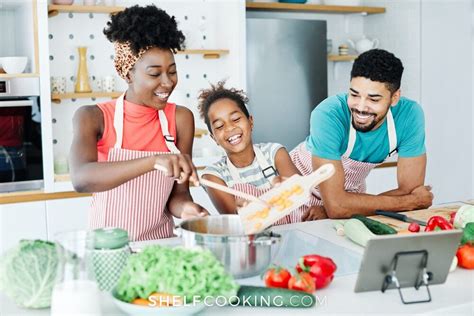
From the youngest to the oldest, everyone can play a role. Little ones can stir, sprinkle, or set the table. Older children can help with chopping, measuring, or reading recipes. Adults, of course, lead the charge, but remember that the process itself is as important as the end product. Collaboration fosters a sense of ownership and belonging, transforming cooking from a chore into a shared adventure.

Making it a Regular Ritual: Consistency is Key
A tradition isn’t a one-off event; it’s a recurring ritual. Decide on a frequency that works for your family – weekly, monthly, or for specific holidays. Consistency reinforces the tradition and makes it something to look forward to. Maybe it’s “Pizza Friday” where you all make pizzas from scratch, or a special “Sunday Roast” that brings everyone together at the table. Mark it on the calendar, make it non-negotiable, and watch it become a beloved part of your family rhythm.
Over time, these regular culinary gatherings become anchors in the busy currents of life. They provide a predictable source of comfort, connection, and deliciousness, offering a reliable space for family members to reconnect, share stories, and simply be together.

Documenting and Sharing: Preserving Your Culinary Heritage
As your family traditions grow, so too will your collection of recipes and stories. Create a family recipe book – whether it’s a handwritten binder, a digital document, or a beautifully printed cookbook. Include not just the ingredients and instructions, but also the stories behind each dish: who perfected it, what special occasions it graced, and any funny anecdotes associated with its preparation.
Passing Down the Knowledge
Cooking together is the best way to pass on culinary skills and family secrets. Teach younger generations how to make the traditional dishes, explaining the nuances and techniques. This act of teaching is a powerful form of bonding and ensures that the traditions don’t just exist on paper but are actively lived and continued by future generations.

Beyond the Kitchen: The Full Experience
While the food is central, the atmosphere surrounding the meal significantly enhances the tradition. Think about setting the table together, perhaps with special plates or a centerpiece. Play background music that evokes a certain mood or genre. Encourage conversation and storytelling during the meal. Turn off distractions like phones and television to truly be present with one another.
These seemingly small details elevate the experience from just eating to a profound act of family communion. The smells of the cooking, the sounds of laughter, the taste of a cherished dish – these sensory inputs intertwine to form potent memories that will be recalled and treasured for years to come.

The Lasting Legacy of Homemade Food Traditions
Building family traditions around homemade food is a powerful investment in your family’s future. It cultivates a sense of identity, belonging, and continuity. These traditions teach valuable life skills, encourage teamwork, and most importantly, create an abundance of joy and love. So, roll up your sleeves, gather your loved ones, and start cooking your way to a richer, more connected family life—one delicious, homemade meal at a time.