




Best homemade soil amendments for a thriving country vegetable patch?

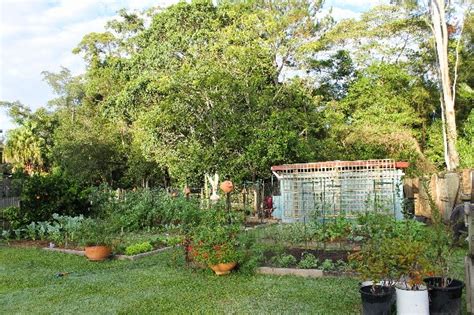
A country vegetable patch offers the unique joy of fresh, homegrown produce. However, the secret to abundant yields and vibrant plants lies beneath the surface: healthy, fertile soil. While commercial fertilizers are an option, homemade soil amendments offer a sustainable, cost-effective, and environmentally friendly way to nourish your garden, turning everyday waste into valuable resources. Let’s explore the best homemade additions to transform your soil and ensure a thriving harvest.
The Cornerstone: Compost, Your Garden’s Black Gold
Compost is arguably the most valuable homemade soil amendment. It’s rich in organic matter, improves soil structure, enhances water retention, and provides a slow release of essential nutrients. Creating a compost pile is simple: layer green materials (kitchen scraps, grass clippings) with brown materials (leaves, wood chips, shredded newspaper), keep it moist, and turn it regularly. In a few months, you’ll have crumbly, dark ‘black gold’ ready to enrich your beds.
Regular additions of compost to your garden soil improve drainage in heavy clay soils and increase water-holding capacity in sandy soils. It also introduces beneficial microorganisms that suppress plant diseases and break down nutrients into forms readily available to plants.

Harnessing the Power of Aged Manure
If you have access to farm animals (chickens, cows, horses), aged manure is an excellent amendment. Raw manure can be too strong and burn plants due to high nitrogen levels, so it’s crucial to use only well-aged manure (at least 6 months old) or composted manure. Aged manure adds a significant boost of nitrogen, phosphorus, and potassium, along with a wealth of micronutrients and organic matter.
Spread a layer of aged manure over your garden beds in the fall or early spring and dig it in gently. It will continue to break down, feeding your soil and plants throughout the growing season. Always be cautious about the source of manure, ensuring animals haven’t been treated with persistent herbicides that could harm your vegetables.
Leaf Mold: Nature’s Humus Builder
Don’t let autumn leaves go to waste! Leaf mold is simply decomposed leaves, and it’s fantastic for improving soil structure, especially in sandy soils. It acts like a sponge, dramatically increasing the soil’s water retention and aeration. To make it, simply pile leaves in a corner of your garden, moisten them, and let nature do the rest. It takes longer than hot composting (1-2 years), but the resulting leaf mold is a superb, weed-free, nutrient-poor but incredibly soil-conditioning material.
Everyday Kitchen Scraps: Hidden Garden Gems
- Coffee Grounds: Slightly acidic, coffee grounds add nitrogen and trace minerals to the soil. Sprinkle them directly around acid-loving plants like blueberries, or add them to your compost pile. They also deter some pests.
- Eggshells: A fantastic source of calcium, crushed eggshells help prevent blossom end rot in tomatoes and peppers and strengthen cell walls. Rinse and crush them finely before sprinkling around plants or incorporating into the soil.
- Wood Ash: If you have a wood-burning stove or fireplace, wood ash (from untreated wood only) provides potassium, calcium, and magnesium, and can help raise soil pH in acidic soils. Use sparingly, as too much can make soil too alkaline and disrupt nutrient uptake.

Beyond the Basics: Epsom Salts and Green Manures
Epsom Salts (Magnesium Sulfate): While not strictly an organic ‘amendment’ in the sense of adding organic matter, Epsom salts are a readily available mineral often used by organic gardeners to boost magnesium levels. Magnesium is crucial for photosynthesis. A tablespoon dissolved in a gallon of water can be used as a foliar spray or soil drench around magnesium-deficient plants like tomatoes, peppers, and roses.
Green Manures (Cover Crops): Planting cover crops like clover, vetch, rye, or buckwheat in off-seasons is an excellent way to amend your soil naturally. They protect the soil from erosion, suppress weeds, add organic matter when tilled under, and some (legumes) even fix nitrogen from the air into the soil. This is a proactive, long-term approach to soil fertility and health.

Effective Application Tips
Timing and method are key for optimal results:
- Fall Application: Heavy amendments like aged manure and significant amounts of compost are best applied in the fall, giving them time to break down further and integrate with the soil over winter.
- Spring Refresh: Before planting, work in a fresh layer of compost or other light amendments to give your seedlings a nutrient boost.
- Top Dressing: During the growing season, a layer of compost or coffee grounds around established plants can provide a slow, steady feed.
- Soil Testing: Periodically testing your soil’s pH and nutrient levels can guide your amendment choices, ensuring you’re adding what your specific soil needs.
Conclusion: Cultivating a Legacy of Fertility
A thriving country vegetable patch is built on the foundation of healthy soil. By embracing homemade soil amendments like compost, aged manure, leaf mold, and common kitchen scraps, you can create a rich, living environment where your vegetables will flourish. This sustainable approach not only reduces waste and saves money but also fosters a deeper connection to your land, ensuring bountiful harvests for years to come. Start small, be consistent, and watch your garden transform into a vibrant haven of productivity.