




Easy recipes to preserve summer’s garden bounty for winter?

As the vibrant colors of summer fill your garden with an abundance of fresh produce, the thought of those flavors lasting through the colder months is incredibly appealing. Preserving your harvest isn’t just a rewarding way to reduce food waste; it’s also a fantastic way to enjoy the peak freshness and nutritional value of your homegrown bounty long after the growing season has ended. Forget complicated techniques – with these easy recipes and methods, you can transform your summer surplus into delicious winter staples with minimal fuss.
Canning and Pickling: Tangy Delights
Canning might sound intimidating, but many recipes are surprisingly straightforward, especially for pickles. Pickling uses vinegar and salt to preserve vegetables, creating zesty, crunchy additions to any meal. Water bath canning is suitable for high-acid foods like most fruits and pickled vegetables.

Quick Pickled Dill Green Beans
Forget bland canned beans! These quick pickled dilly beans are crisp, tangy, and perfect as a snack or side dish. Simply trim fresh green beans, pack them tightly into sterilized jars, and pour over a hot brine made from vinegar, water, salt, garlic, and fresh dill. Seal and process in a boiling water canner for 10-15 minutes (adjusting for altitude). They’ll be ready to enjoy in a few weeks and will last through winter.
Freezing: Capturing Freshness
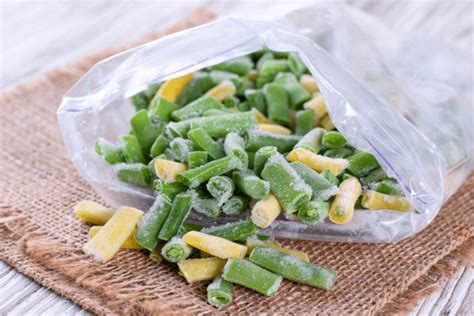
Freezing is arguably the easiest way to preserve most vegetables and fruits, locking in their fresh flavor and nutrients with minimal effort. The key to successful freezing for many vegetables is blanching – a quick dip in boiling water followed by an ice bath – to stop enzyme action that can lead to color and flavor loss.
Garden Fresh Pesto Cubes
When your basil plant is overflowing, make a big batch of pesto. Blend fresh basil, pine nuts (or walnuts), garlic, Parmesan cheese, and olive oil. Instead of storing it all in one container, spoon the pesto into ice cube trays and freeze. Once solid, transfer the pesto cubes to freezer bags. You’ll have convenient, single-serving portions of summer’s taste ready to drop into pasta, soups, or onto toast all winter long.
Jams, Jellies, and Sauces: Sweet & Savory Spreads
Transforming fruits and certain vegetables into jams, jellies, and sauces is a delightful way to enjoy their essence. The high sugar content in jams and jellies, or the acidity in tomato sauces, acts as a natural preservative, making them perfect for long-term storage.
Simple Berry Jam
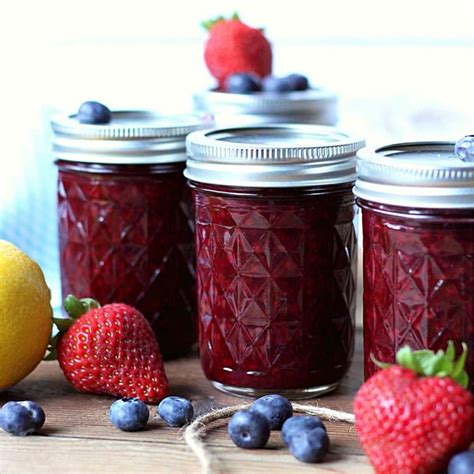
Gather your ripe berries (strawberries, raspberries, blueberries – or a mix!). Combine equal parts berries and sugar in a large pot, add a squeeze of lemon juice (for pectin activation and brightness), and cook over medium-high heat, stirring frequently, until the mixture thickens and reaches setting point (around 220°F/104°C). Ladle the hot jam into sterilized jars, leaving headspace, and process in a boiling water canner for 10 minutes. A spoonful of this homemade jam will brighten any winter morning.
Drying and Dehydrating: Concentrated Flavor
Drying is an ancient preservation method that removes moisture, inhibiting spoilage. It’s excellent for herbs, certain fruits, and even some vegetables. You can use a food dehydrator, a low oven, or even air dry in a warm, dry, well-ventilated space.

Homemade Dried Herb Mixes
Harvest your favorite herbs like oregano, thyme, rosemary, and mint. Wash them gently and pat dry. Tie small bunches together and hang them upside down in a warm, dry room, or lay them on dehydrator trays at a low temperature (around 95-105°F / 35-40°C) until completely brittle. Once dried, strip the leaves from the stems and crumble or grind them. Store in airtight containers. These potent dried herbs will add robust flavor to your winter stews, roasts, and sauces.
Embrace the Harvest
Preserving your garden’s bounty is a deeply satisfying endeavor. Start with small batches and the methods that appeal most to you. Always follow reputable canning and freezing guidelines for safety, and remember to label everything with the date and contents. Imagine the joy of reaching into your pantry or freezer on a cold winter day and pulling out a jar of sun-ripened tomatoes or a bag of vibrant pesto, bringing a taste of summer back to your table. Your future self will thank you for taking the time to savor the season’s abundance.