



Best natural methods for preserving surplus garden tomatoes long-term?

Embracing the Tomato Harvest: Natural Preservation Essentials
The joy of a bountiful garden harvest is unparalleled, especially when it comes to juicy, sun-ripened tomatoes. But what do you do when your plants are overflowing, and you’ve made all the fresh salads and sandwiches you can possibly eat? The answer lies in long-term preservation. Utilizing natural methods not only extends the life of your produce but also ensures you’re enjoying the pure, unadulterated flavor of your garden’s finest throughout the year, free from artificial additives. Here are some of the best natural techniques for safeguarding your surplus tomatoes.
Freezing: The Simplest Path to Preserved Goodness
Freezing is arguably the easiest and least labor-intensive method for preserving tomatoes, especially if you’re looking to maintain their fresh flavor for future cooking. This method is perfect for large quantities and yields tomatoes ideal for sauces, soups, chilis, and stews.
How to Freeze Tomatoes Naturally:
- Whole or Halved: Wash your tomatoes thoroughly. For easier peeling later, you can briefly blanch them in boiling water for 30-60 seconds, then plunge into ice water. The skins will slip right off. Alternatively, you can freeze them whole with skins on; the skins will be easier to remove once thawed. Place tomatoes on a baking sheet in a single layer to freeze solid, then transfer to freezer-safe bags or containers. This prevents them from sticking together.
- Chopped or Diced: For ready-to-use portions, chop your tomatoes after washing (and optional blanching/peeling). Pack them into freezer bags, removing as much air as possible, or into freezer-safe containers.
- Pureed or Sauced: Cook down ripe tomatoes into a simple sauce or puree, then cool completely before freezing. This saves space and prepares them for future meals.
Frozen tomatoes maintain their quality for up to 8-12 months and can be used directly from the freezer in most cooked dishes.

Canning: Shelf-Stable Summer Flavor
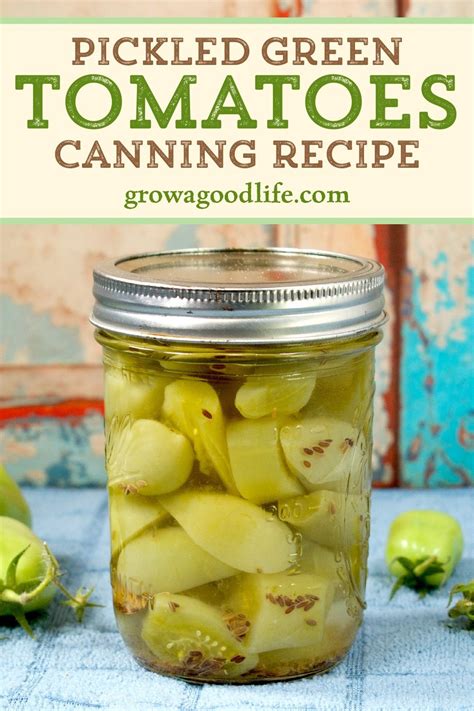
Canning is a time-honored tradition that allows you to store tomatoes at room temperature for extended periods, providing a true taste of summer even in the dead of winter. Due to their acidity levels, tomatoes require specific canning procedures to ensure safety.
Natural Canning Methods for Tomatoes:
- Water Bath Canning: This method is suitable for high-acid foods. While tomatoes are generally considered high-acid, their pH can vary. To ensure safety, it’s crucial to add acid (1 tablespoon bottled lemon juice or 1/4 teaspoon citric acid per pint jar; 2 tablespoons lemon juice or 1/2 teaspoon citric acid per quart jar) to each jar before filling with tomatoes.
- Crushed Tomatoes: Wash, core, and quarter your tomatoes. Heat a portion of the tomatoes in a large pot to release juices, then add the rest, crushing them as they heat. Simmer for 5 minutes, then fill jars, adding acid, leaving proper headspace. Process in a boiling water canner.
- Whole or Halved Peeled Tomatoes: Blanch tomatoes to remove skins, then core. Pack raw or hot into jars, add acid, then fill with boiling water or tomato juice. Process in a boiling water canner.
- Tomato Sauce: Cook tomatoes down to desired consistency, pass through a food mill if desired, then simmer. Add acid to jars, then fill with hot sauce. Process in a boiling water canner.
Always follow tested canning recipes and guidelines from reputable sources like the National Center for Home Food Preservation to ensure safety and quality. Properly canned tomatoes can last for a year or more.
Drying: Concentrating the Essence of Tomato
Drying tomatoes intensifies their flavor, transforming them into chewy, sweet, and tangy delights perfect for salads, pasta dishes, sandwiches, or snacking. This method reduces their bulk significantly, making storage efficient.
How to Dry Tomatoes Naturally:
- Sun-Drying: For those in hot, dry climates, sun-drying is a truly natural and energy-efficient method. Slice tomatoes 1/4 to 1/2 inch thick and arrange them in a single layer on screens (food-grade mesh) elevated for airflow. Cover with cheesecloth to protect from insects. Flip daily. Drying can take several days to a week or more, depending on conditions. Tomatoes are dry when leathery and pliable, not brittle.
- Dehydrator: A food dehydrator offers a more controlled environment. Slice tomatoes, arrange them on dehydrator trays, and set the temperature between 130-145°F (55-63°C). Drying time typically ranges from 8-12 hours, but can be longer. Check periodically until they reach the desired leathery consistency.
Once dried, allow tomatoes to cool completely. Store them in airtight containers in a cool, dark place for several months, or refrigerate/freeze for longer storage. For added flavor and preservation, you can pack rehydrated or simply dried tomatoes in olive oil, ensuring they are fully submerged (though this method requires refrigeration).

Making and Preserving Tomato Paste or Sauce
Transforming your fresh tomatoes into concentrated paste or a versatile sauce is another excellent way to preserve their flavor and reduce volume. This method involves cooking down the tomatoes significantly to remove water, intensifying their natural sweetness and tang.
Steps for Paste/Sauce Preservation:
- Cook Down: Wash, core, and chop tomatoes. Cook them slowly in a large, heavy-bottomed pot until very soft.
- Mill or Strain: Pass the cooked tomatoes through a food mill or sieve to remove seeds and skins, resulting in a smooth puree.
- Reduce: Return the puree to the pot and continue to simmer over low heat, stirring frequently, until it reaches your desired consistency – very thick for paste, or thinner for sauce.
- Preserve: Once cooled, tomato paste or sauce can be frozen in ice cube trays (then transferred to bags) or freezer containers. For shelf-stable preservation, can the hot paste/sauce in jars using a water bath canner, ensuring to add adequate acid (lemon juice or citric acid) as with other canned tomato products.
This concentrated form is incredibly useful for winter cooking, providing a robust tomato base for countless recipes.

Conclusion: Savoring Your Garden’s Bounty Year-Round
Preserving your surplus garden tomatoes naturally is a rewarding endeavor that extends the joy of your harvest far beyond the summer months. Whether you choose the simplicity of freezing, the shelf-stability of canning, the intense flavor of drying, or the concentrated goodness of homemade sauce, each method offers a unique way to enjoy your homegrown bounty. By embracing these natural techniques, you not only reduce food waste but also ensure a supply of delicious, wholesome, and additive-free tomatoes for your culinary adventures all year long.