





Best way to preserve a bountiful garden tomato harvest without canning?
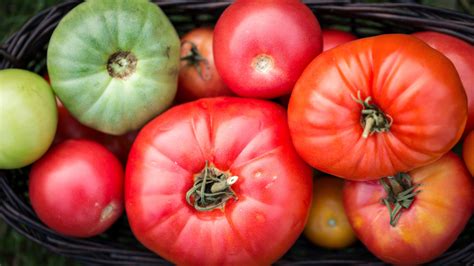
Every gardener knows the joy and occasional overwhelm of a truly bountiful tomato harvest. Suddenly, your kitchen counters are overflowing with ruby-red gems, and the question shifts from “what’s for dinner?” to “how can I possibly save all these?” While traditional canning is a fantastic method, it’s not for everyone. Perhaps you lack the equipment, the time, or simply prefer alternative preservation techniques. The good news is, there are numerous delicious and effective ways to extend the life of your tomatoes without ever needing a water bath canner or pressure cooker.
Embrace the Freezer: Your Best Friend for Freshness
Freezing is arguably the easiest and most versatile method for preserving tomatoes. It requires minimal effort and maintains much of their fresh flavor, making them perfect for future sauces, soups, and stews. You have several options depending on how you plan to use them.
Whole or Halved Tomatoes (for quick sauces)
For large quantities, simply wash and dry your tomatoes. Core them if desired, though it’s not strictly necessary as the skins will slip off easily after thawing. Place them in a single layer on a baking sheet to freeze solid, then transfer to freezer-safe bags or containers. This prevents them from sticking together, allowing you to grab just a few as needed. When you’re ready to use them, just run them under warm water, and the skins will peel right off!

Diced or Crushed Tomatoes (for cooking)
If you prefer to do a little prep work upfront, blanching and peeling your tomatoes before freezing them diced or crushed can save time later. Simply drop them into boiling water for 30-60 seconds, then transfer to an ice bath. The skins will slide off easily. Chop them to your desired size or pulse them in a food processor. Pack into freezer bags, removing as much air as possible, or freeze in ice cube trays for smaller portions, then transfer to bags.
The Magic of Dehydration: Sun-Dried or Oven-Dried Tomatoes
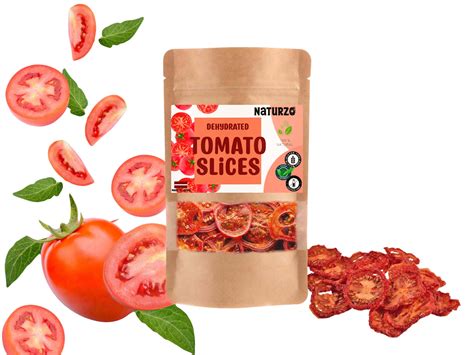
Drying tomatoes concentrates their flavor into intensely sweet and savory morsels. While traditional sun-drying requires specific climate conditions, an oven or a food dehydrator can achieve similar results. Slice ripe tomatoes (Roma or paste varieties work best due to lower water content) about 1/4 inch thick. For oven drying, arrange slices on parchment-lined baking sheets and bake at the lowest possible temperature (usually 150-200°F or 65-93°C) for several hours, propping the door ajar to allow moisture to escape, until leathery but still pliable. For a dehydrator, follow manufacturer instructions. Store dried tomatoes in airtight containers in a cool, dark place, or pack them in olive oil in jars (refrigerate if oil-packed).
Transform into Sauces, Pastes, and Roasts for Freezing
One of the most satisfying ways to preserve tomatoes is by transforming them into ready-to-use ingredients. Think beyond just whole tomatoes.
Homemade Tomato Sauce or Puree
Simmer down your fresh tomatoes into a rich, flavorful sauce or puree. You can keep it simple with just tomatoes, or add onions, garlic, and herbs. Cook until it reaches your desired consistency, then cool completely. Ladle into freezer-safe containers, leaving headspace, or into freezer bags laid flat for easy stacking. These are gold during the colder months!

Roasted Tomatoes
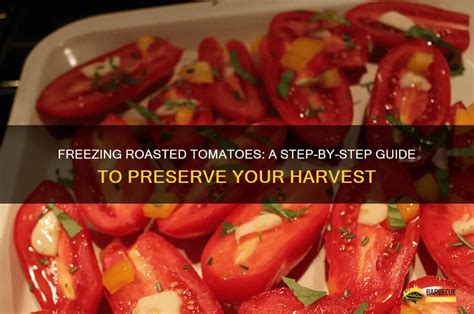
Roasting brings out an incredible sweetness and depth of flavor in tomatoes. Halve or quarter your tomatoes, toss with a little olive oil, salt, and pepper (and perhaps some garlic and herbs). Roast at 375-400°F (190-200°C) until softened and slightly caramelized. Once cooled, these roasted beauties can be packed into freezer bags or containers. They’re fantastic for pasta, pizzas, or blended into a rich soup.
Explore Fermentation: A Flavorful and Probiotic Option
Fermenting tomatoes adds a tangy, complex flavor profile and beneficial probiotics. While not a method for long-term pantry storage without refrigeration, lacto-fermented tomatoes or tomato salsa can last several weeks to months in the refrigerator. Simply chop tomatoes, mix with salt and other desired ingredients (garlic, herbs, chili peppers), and submerge in brine. Let them ferment at room temperature for a few days, then transfer to the fridge. Always ensure proper sanitation and follow trusted fermentation recipes to ensure safety.

Conclusion: Savoring Your Harvest Year-Round
With these non-canning methods, your garden’s bounty of tomatoes can be enjoyed long after the growing season ends. Whether you’re freezing them whole for quick sauce, drying them for intense flavor, or simmering them into ready-to-use bases, you’ll be able to taste the sunshine of your garden all year long. Experiment with different techniques to find what works best for your kitchen and your culinary preferences. Happy preserving!