




Best ways to collect local recipes & food stories while traveling rural?

Traveling through rural landscapes offers a unique opportunity to delve into the heart of a culture, often best experienced through its food. Beyond picturesque scenery, these journeys allow for genuine connections with locals whose culinary traditions are deeply woven into their identity. Collecting local recipes and food stories isn’t just about ingredients and instructions; it’s about preserving heritage, understanding local life, and bringing home authentic memories that tantalize more than just the taste buds.
Embrace Local Interactions and Authentic Experiences
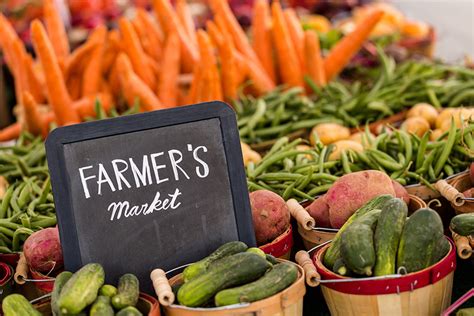
The most effective way to gather culinary insights is by directly engaging with the people who live and breathe these traditions every day. Start by frequenting local markets, where vendors are often keen to share knowledge about their produce and family recipes. Engage them in conversation, express genuine interest in their wares, and don’t be afraid to ask about preparation methods or the history behind a particular ingredient. Similarly, dining at small, family-run eateries or guesthouses can open doors to incredible stories. Often, the proprietors are the best custodians of their regional cuisine, proud to recount tales of generations-old dishes.

Consider staying at homestays or farm stays where you can participate in daily life, including meal preparation. This immersive approach offers unparalleled access to kitchen secrets and the context of local eating habits. Learning a few basic phrases in the local language, such as “delicious,” “thank you,” and “how do you make this?”, can significantly enhance these interactions and show respect for the local culture, encouraging people to share more openly.
Hands-On Learning and Culinary Workshops
For a deeper dive, seek out opportunities for hands-on learning. Many rural areas, particularly those with a growing tourism focus, offer local cooking classes or workshops. These aren’t just about following instructions; they’re often a cultural exchange where you learn techniques, ingredient sourcing, and the significance of certain dishes in local festivals or daily life. Sometimes, smaller, informal classes can be arranged through guesthouse owners or local guides, offering a more personalized and authentic experience.
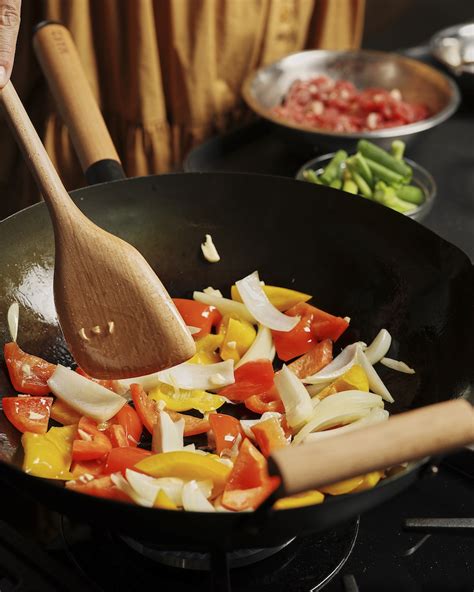
Beyond formal classes, simply observing and politely asking if you can help in a local kitchen – perhaps at a community event, a small restaurant, or a friend’s home – can be incredibly rewarding. This kind of participation not only helps you understand the process but also builds trust and rapport, making people more inclined to share their stories and even family recipes. Always be respectful of their space and time, and offer to assist with preparation or clean-up.
Documenting Your Culinary Discoveries Thoughtfully
Once you’ve gathered information, the next step is to document it effectively. A small notebook and pen are indispensable for jotting down ingredients, measurements (even if approximate), and preparation steps. Don’t forget to record the name of the dish, the person who shared it, and any personal anecdotes they recounted. Modern tools like voice recorders on your phone can capture stories and pronunciations more accurately, always asking for permission before recording.
Photographs and short videos can also be powerful aids, especially for remembering specific techniques or the appearance of unique ingredients. Again, always ask permission before taking pictures of people or their kitchens. When documenting recipes, inquire about variations, seasonal ingredients, and tips for making the dish truly authentic. Understanding the ‘why’ behind certain steps often reveals more about the local food philosophy than the recipe itself.
Cultivating Respect and Expressing Gratitude
The act of collecting recipes and stories is a privilege, not a right. Approach every interaction with humility, respect, and genuine curiosity. Be mindful of cultural norms and dietary restrictions, and always ask permission before taking photos, recording conversations, or entering private spaces. A small token of appreciation, such as a thoughtful compliment, a thank you card, or a small gift from your home country, can go a long way in showing your gratitude for their generosity.

Remember that you are an ambassador for your own culture as well. Be open to sharing your own food traditions and stories; it often leads to a more balanced and enriching exchange. The goal is to build connections, not just to extract information. These relationships are the true treasures you’ll bring home, making the recipes and stories all the more meaningful.
Collecting local recipes and food stories while traveling rural is an enriching endeavor that transforms a simple trip into a profound cultural immersion. It requires patience, an open heart, and a willingness to step outside your comfort zone. The culinary souvenirs you gather—be they written recipes, recorded stories, or vivid memories of shared meals—will serve as a delicious and lasting testament to the rich tapestry of human connection and the universal language of food.