



Batch cooking real food meals for busy family homesteads?
Embracing Efficiency on the Homestead
Life on a family homestead is a beautiful blend of hard work, self-sufficiency, and deep connection to the land. However, it’s also undeniably busy. Between tending to animals, gardening, home maintenance, and homeschooling, finding time to prepare nourishing, real food meals can feel like another monumental task. This is where batch cooking steps in as a practical, time-saving solution, transforming mealtime stress into culinary calm for busy homesteading families.
Imagine coming in from a long day in the garden, knowing that a delicious, homemade stew or a hearty casserole is just minutes away from being served, all thanks to a few dedicated hours of cooking earlier in the week. Batch cooking isn’t just about efficiency; it’s about intentionality – ensuring your family eats well, even when time is scarce.

The Homestead Advantage: Ingredients Galore
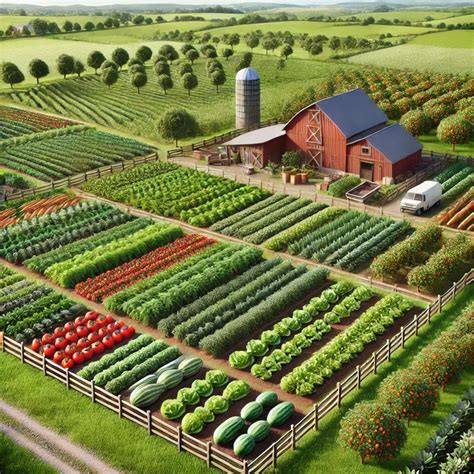
Homesteaders often have a distinct advantage when it comes to ingredients. Fresh produce from the garden, eggs from the coop, homegrown meat, and preserved goods are staples. Batch cooking allows you to fully leverage these seasonal bounties. Have an abundance of tomatoes? Make a huge batch of sauce. Too many zucchini? Bake muffins and shred for future meals. This method helps reduce food waste and maximizes the nutritional value of your homegrown efforts.
Planning for Success: Your Batch Cooking Blueprint
Effective batch cooking starts with careful planning. Consider your family’s favorite real food meals, dietary needs, and the ingredients you have on hand or can easily source. A solid plan will prevent overwhelm and ensure your efforts yield a diverse array of meals.
- Seasonal Inventory: What’s abundant from your garden or local market right now?
- Family Favorites: List meals everyone enjoys that can be made in larger quantities.
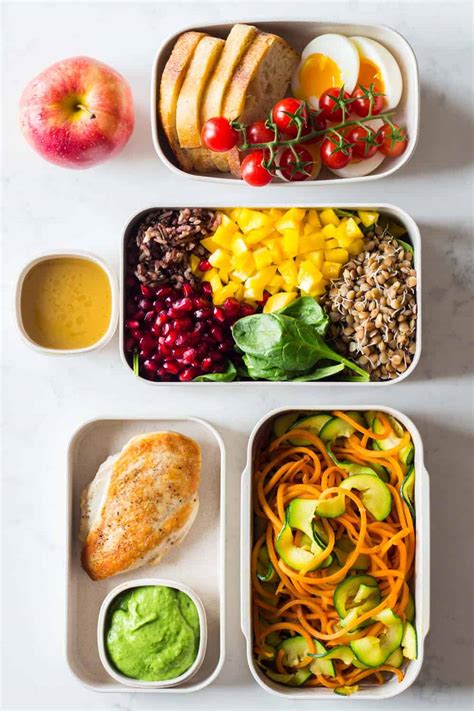
- Component Cooking: Instead of full meals, cook individual components like roasted vegetables, cooked grains, or shredded chicken.
- Theme Days: Designate a day for ‘baking,’ ‘protein prep,’ or ‘soup making.’
Strategies for Streamlined Real Food Prep
Once you have your plan, it’s time to get cooking! Here are some strategies to make your batch cooking session productive and enjoyable:
- Multi-Tasking Marvels: Use multiple burners, your oven, and even a slow cooker simultaneously. Roast vegetables in the oven while simmering soup on the stove and cooking grains in a rice cooker.
- Large-Scale Protein Prep: Cook whole chickens, ground meat, or large cuts of roast beef that can be used in multiple dishes throughout the week (e.g., tacos, salads, sandwiches, stir-fries).
- Vegetable Power: Chop and dice large quantities of onions, peppers, carrots, and celery. Roast trays of root vegetables or blanch greens for quick additions to meals.
- Grain & Legume Bulk: Cook big batches of quinoa, brown rice, lentils, or beans. These are versatile bases for bowls, salads, or additions to soups.
Storage and Rotation: Keeping it Fresh and Exciting
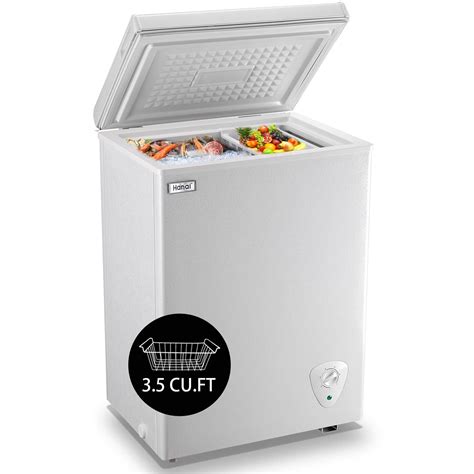
Proper storage is crucial for extending the life of your batch-cooked meals and components. Invest in good quality airtight containers, glass jars, and freezer-safe bags. Label everything with the date and contents.
- Refrigeration: Most batch-cooked items are good for 3-5 days in the refrigerator.
- Freezing: For longer storage, freeze portions of soups, stews, casseroles, cooked grains, and even some chopped vegetables. This is invaluable for homesteaders, especially during harvest gluts.
- Creative Repurposing: Don’t serve the exact same meal every night. Transform roasted chicken into chicken salad one day, then quesadillas the next. Leftover rice can become fried rice or a base for a grain bowl.
Sample Batch Cooking Day for a Homestead Family
Let’s paint a picture of a typical batch cooking day:
- Morning: Prep ingredients. Chop all vegetables for the week, wash greens, measure out spices.
- Late Morning/Afternoon: Start cooking. Roast a whole chicken and a large tray of root vegetables. While those are cooking, simmer a big pot of bone broth and a lentil soup. Cook a double batch of quinoa.
- Evening: Assemble and store. Shred chicken, divide soup into individual portions, portion out roasted veggies and quinoa. Prepare a few complete meals (e.g., chicken and veggie bowls) for the next couple of days.
The Reward: More Time for What Matters
Batch cooking real food meals for your busy family homestead isn’t just about feeding your family; it’s about reclaiming valuable time. It means less frantic cooking every evening, more relaxed family dinners, and more moments spent enjoying the unique rhythms of homestead life. It’s a sustainable practice that nurtures both your family and your commitment to wholesome, homegrown food.
By investing a few hours upfront, you’ll gain countless hours back throughout the week, ensuring that even on the busiest days, your family can gather around the table for a nourishing, real food meal, lovingly prepared.