





Best way to tenderize venison stew meat for flavorful country meals?

The Challenge of Venison Stew Meat
Venison, being lean and low in fat, can often turn out tough if not prepared correctly, especially when cut into stewing pieces. Its muscular structure, while rich in flavor, requires specific techniques to break down connective tissues and ensure a tender, succulent result perfect for hearty country stews. Mastering these methods transforms a potentially chewy meal into a deeply satisfying culinary experience.
The goal isn’t just tenderness; it’s also about infusing that unique wild game flavor with complementary notes that evoke the rustic charm of country cooking. Let’s explore the most effective strategies.
Mechanical Tenderizing: A Head Start
Before any cooking begins, physical manipulation can make a significant difference. Pounding the venison stew meat with a meat mallet helps to break down muscle fibers and connective tissue. Aim for an even thickness, which also aids in uniform cooking. Alternatively, scoring the surface of the meat with a sharp knife in a crosshatch pattern can achieve a similar effect, creating more surface area for marinades to penetrate and shortening cooking time.
The Power of Marinades: Acidic and Enzymatic
Marinating is perhaps the most crucial step for both tenderizing and flavor infusion. The type of marinade you choose will dictate the results:
- Acidic Marinades: Ingredients like red wine, vinegar, buttermilk, or citrus juices help to denature proteins, effectively tenderizing the meat. They also add complex flavor notes essential for country dishes. Marinate for at least 4-8 hours, or even overnight in the refrigerator, but avoid over-marinating with strong acids as it can make the meat mushy.
- Enzymatic Marinades: Certain fruits like pineapple, kiwi, and papaya contain natural enzymes (bromelain, actinidin, papain) that break down proteins. Use these cautiously, as they are very potent. A short marination time (30 minutes to 2 hours) is usually sufficient to prevent the meat from becoming overly soft or mealy.
Consider incorporating herbs, garlic, onions, and spices into your marinade to build a foundational flavor profile that complements the venison’s natural richness.
Low and Slow: The Braising Advantage
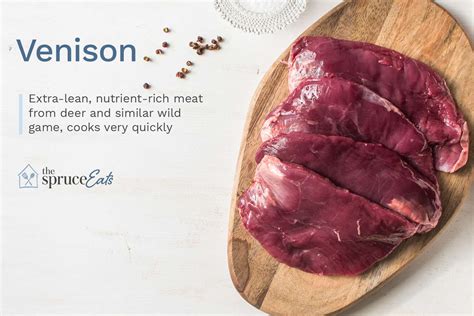
Once your venison stew meat has been mechanically tenderized and marinated, the cooking method itself is paramount. Braising, or slow cooking, is undeniably the best technique for achieving fall-apart tender venison. This method involves searing the meat first to develop a crust and deepen flavor, then submerging it in a flavorful liquid (like broth, wine, or a combination) and cooking it gently over low heat for an extended period.
The prolonged exposure to moist heat at a low temperature gradually breaks down tough collagen into gelatin, resulting in incredibly tender, succulent meat. This process also allows the flavors of the cooking liquid and vegetables to meld beautifully with the venison, creating a deeply aromatic and satisfying stew.
Brining for Juiciness and Flavor Retention
While often associated with poultry, brining can also enhance the juiciness and flavor of lean venison. A simple salt solution (with optional aromatics) helps the meat absorb moisture and seasoning before cooking. This method doesn’t directly tenderize by breaking down fibers but ensures the meat stays moist and flavorful throughout the long cooking process, preventing it from drying out, which can contribute to a perception of toughness.
Bringing It All Together for Flavorful Country Meals
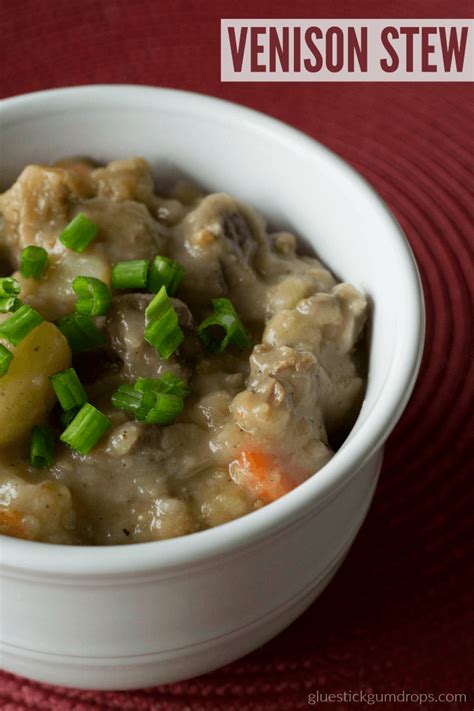
For the ultimate tender and flavorful venison stew, a multi-pronged approach yields the best results. Start by lightly pounding the meat, then marinate it overnight in a flavorful acidic marinade (like red wine with herbs and garlic). The next day, sear the meat to brown it beautifully, then slow-braise it in a Dutch oven or slow cooker with aromatic vegetables, broth, and more wine until it’s fork-tender. This combination of mechanical action, chemical tenderization, and patient cooking ensures every bite is a tender, savory delight that will transport you straight to the heart of country cooking.