



What are natural ways to boost my backyard chickens’ egg production?
Understanding Your Hens’ Needs for Peak Performance
Backyard chickens are a source of joy, fresh eggs, and a connection to nature. For many keepers, maximizing egg production naturally is a key goal. Understanding the fundamental needs of your flock—nutrition, environment, health, and natural rhythms—is the first step towards a consistently full egg basket.
Optimal Nutrition: The Foundation of Good Laying
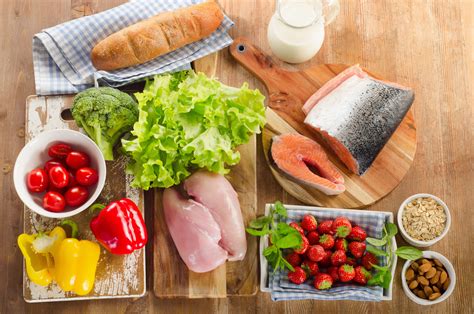
A hen cannot produce eggs without the right fuel. Providing a balanced, high-quality diet is paramount. While commercial layer feed offers convenience, you can significantly boost production through natural supplements and foraging.
- High-Quality Feed: Ensure your chickens receive a good quality layer feed as their primary diet, formulated with adequate protein and calcium. Supplement this with fermented grains, which improve nutrient absorption and gut health.
- Kitchen Scraps and Garden Forage: Offer a variety of fresh greens, vegetables, and fruits (in moderation). Chickens love to free-range, finding insects, worms, and plant matter that supplement their diet with essential nutrients and protein.
- Calcium Sources: Calcium is crucial for strong eggshells. Provide free-choice crushed oyster shells or clean, crushed eggshells (baked and cooled to prevent hens from associating them with eating their own eggs).
- Fresh, Clean Water: Always have plenty of fresh, clean water available. Dehydration can quickly halt egg production.
Creating a Stress-Free and Stimulating Environment
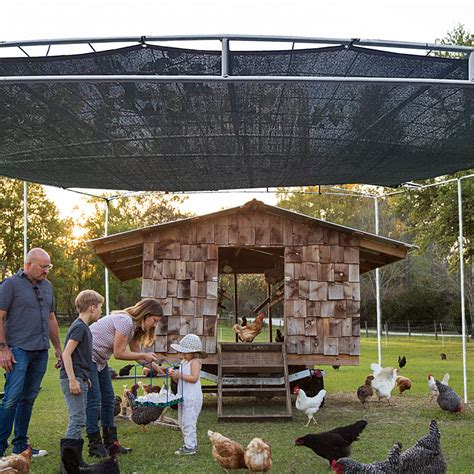
A happy hen is a laying hen. Stress can dramatically reduce egg production. Focus on creating a safe, comfortable, and stimulating living space for your flock.
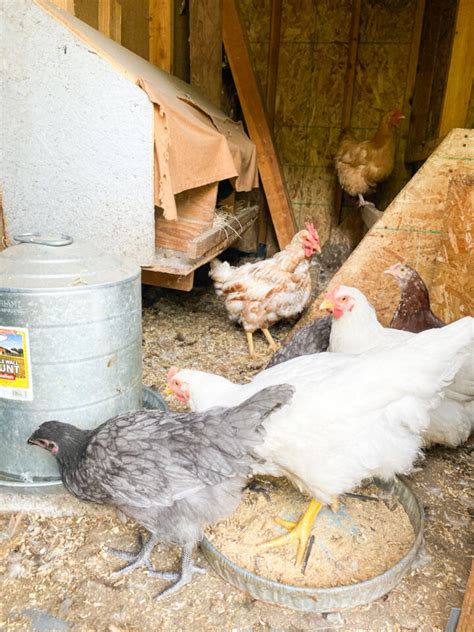
- Spacious and Clean Coop: Ensure your coop provides adequate space per bird (at least 3-4 sq ft inside, 8-10 sq ft in the run). Keep it clean to prevent disease and pests. Good ventilation is also critical.
- Comfortable Nest Boxes: Provide one nest box for every 3-4 hens. Fill them with soft, clean bedding like straw or pine shavings to encourage laying and protect eggs.
- Predator Protection: A secure coop and run will protect your flock from predators, reducing stress and fear, which can inhibit laying.
- Dust Baths and Enrichment: Chickens instinctively take dust baths to clean their feathers and control external parasites. Provide a designated area with sand, dirt, and a little diatomaceous earth. Offer perches, swings, and other enrichment items to keep them active and engaged.
Harnessing Natural Light Cycles
Light plays a critical role in a hen’s reproductive cycle. Hens typically need 14-16 hours of light per day to maintain consistent egg production. While some use artificial light, natural light can be maximized.
- Maximize Natural Sunlight: Position your coop to receive ample natural light throughout the day. Consider windows or clear panels (ensuring good ventilation) to let in light.
- Understand Seasonal Changes: Egg production naturally wanes in shorter daylight hours of winter. Allowing hens to follow natural cycles is healthier for them, giving their bodies a rest. If you aim for consistent year-round production without artificial lights, be aware that you might see a dip in winter.
- Adequate Dark Hours: Just as important as light is darkness. Hens need sufficient dark hours (around 8 hours) for rest and proper hormone regulation.
Natural Health and Wellness Practices
A healthy hen is a productive hen. Employ natural methods to keep your flock robust and disease-free.
- Natural Parasite Control: Diatomaceous earth (food grade) can be dusted in the coop and mixed into dust bath areas to help deter mites and lice. Apple cider vinegar (ACV) added to their water (1 tablespoon per gallon) can support gut health and act as a mild internal cleanser.
- Herbal Supplements: Introduce herbs like oregano, thyme, garlic, and marigolds into their diet or environment. These can boost immunity and provide natural antioxidants.
- Observe Your Flock: Regularly observe your chickens for any signs of illness, changes in behavior, or decreased activity. Early detection allows for natural remedies or intervention before issues escalate.

Consideration of Breed, Age, and Molting
While natural care can boost any hen’s production, understanding inherent factors is also important.
- Laying Breeds: Some breeds are naturally more prolific layers than others (e.g., Leghorns, Rhode Island Reds, Plymouth Rocks).
- Age: Hens typically reach their peak laying production in their first 1-2 years and gradually decline thereafter.
- Molting: Chickens naturally go through a molting process annually, during which they shed old feathers and grow new ones. Egg production will cease or significantly decrease during this period, as their bodies divert energy to feather regrowth. This is a natural and necessary cycle.

Conclusion
Boosting your backyard chickens’ egg production naturally is a rewarding endeavor that prioritizes their health and well-being. By focusing on superior nutrition, a comfortable and stimulating environment, respect for natural light cycles, and proactive health management, you can encourage your hens to lay consistently, providing you with a bounty of fresh, wholesome eggs from happy, thriving birds.