



How to adjust real food recipes for seasonal garden bounty & pantry swaps?

Embrace Culinary Creativity with What You Have
The joy of real food cooking often comes hand-in-hand with making the most of what’s available. Whether you’re blessed with an abundant garden harvest or simply looking to make dinner using what’s in your pantry, learning to adjust recipes is a fundamental skill that reduces food waste, saves money, and unlocks incredible flavor. This guide will help you navigate the art of seasonal swaps and clever pantry substitutions, transforming your kitchen into a hub of resourcefulness and delicious innovation.
Understanding Your Garden’s Gifts and Seasonal Availability
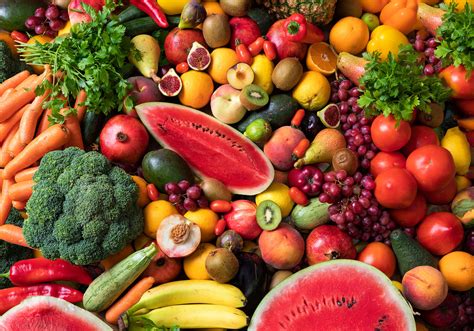
Before diving into recipe modifications, take stock of your produce. What’s thriving in your garden right now? Is it peak tomato season, or are your greens overflowing? Understanding the natural cycle of fruits and vegetables is key. Seasonal produce is not only at its freshest and most flavorful, but it’s also often more affordable and sustainable. Consider the texture, water content, and primary flavor profile of each ingredient you have on hand.
Mastering Core Swapping Principles
When replacing an ingredient, think about its role in the dish. Is it there for bulk, crunch, moisture, or a specific flavor? Here are general guidelines:
- Category Swaps: The easiest swaps are within the same category. Replace one leafy green (spinach, kale, Swiss chard) with another. Swap root vegetables (carrots, parsnips, sweet potatoes) or berries (strawberries, blueberries, raspberries).
- Texture Match: If a recipe calls for crunchy celery, don’t swap it for soft cooked zucchini unless you want a different outcome. Aim for similar textures – soft for soft, crisp for crisp.
- Flavor Profile: While some flavors are unique, many can be interchanged or balanced. Mild greens are easier to swap than strong-flavored ones like cilantro or dill. If you’re swapping a sweet ingredient for a savory one, be prepared to adjust seasonings.
Leveraging Your Pantry for Smart Substitutions
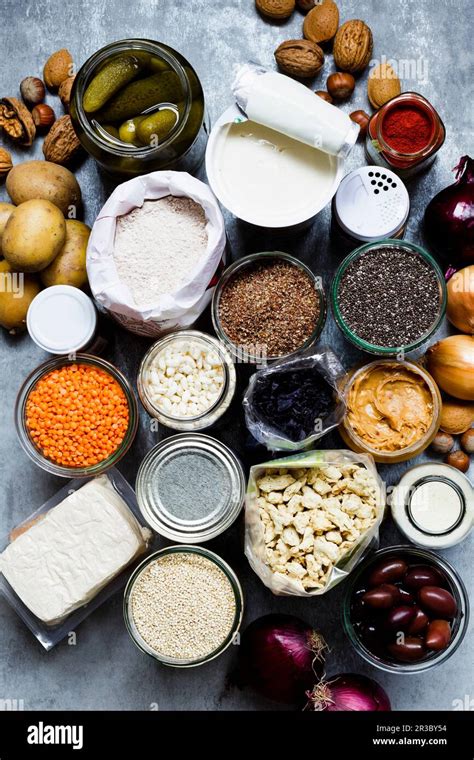
A well-stocked pantry is a treasure chest for recipe adjustments. Don’t underestimate the power of staples to fill in gaps or completely transform a meal.
Protein Alternatives
No chicken? Look to canned beans (black, cannellini, chickpeas), lentils, eggs, canned fish (tuna, salmon), or even tofu/tempeh if you have them. Each brings its own texture and cooking time, so adjust accordingly.
Grain and Starch Swaps
Out of rice for your stir-fry? Quinoa, farro, couscous, or even cauliflower rice can be excellent stand-ins. For potatoes in a stew, try sweet potatoes, parsnips, or even robust winter squash.
Flavor Boosters and Liquids
Dried herbs can often substitute for fresh (use less, as dried are more potent). Lemon or lime juice can replace vinegar for acidity. Broth, water, or even thinned coconut milk can stand in for other liquids, depending on the desired flavor outcome.
Techniques for Seamless Recipe Adaptation
Beyond ingredient swaps, consider the cooking method and overall balance of the dish.
- Adjust Cooking Times: Different vegetables cook at different rates. Harder vegetables like carrots and potatoes need more time than softer ones like zucchini or mushrooms.
- Embrace Versatile Cooking Methods: Roasting, sautéing, and steaming are forgiving methods that work well for a variety of vegetables. A recipe calling for roasted asparagus could easily adapt to roasted green beans or broccoli.
- Taste and Adjust Seasoning: This is perhaps the most crucial tip. As you add or swap ingredients, continually taste and adjust salt, pepper, herbs, and spices. A squeeze of lemon or a dash of vinegar can often brighten up a dish.

Real-World Examples of Seasonal Swaps
Let’s look at a couple of common scenarios:
Summer Garden Salad
Original: Mixed greens, cherry tomatoes, cucumber, basil. Bounty: Zucchini, bell peppers, fresh mint.
Adjustment: Mixed greens, diced zucchini (raw or lightly grilled), sliced bell peppers, fresh mint. The zucchini offers a similar hydrating crunch to cucumber, and mint brings a refreshing herb note similar to basil but with a different character.
Winter Vegetable Stew
Original: Carrots, potatoes, celery, kale. Pantry/Bounty: Sweet potatoes, parsnips, butternut squash, spinach.
Adjustment: Sweet potatoes and parsnips provide a lovely sweetness and starch alongside the butternut squash for heartiness. Spinach can be added at the very end for a tender green element, cooking much faster than kale.

Tips for Culinary Confidence
Don’t be afraid to experiment! Start with simple swaps and gradually build your confidence. Keep a mental or physical note of what combinations worked well. Remember, the goal isn’t always perfection, but rather deliciousness and resourcefulness. Embrace the imperfections and enjoy the journey of becoming a more intuitive and flexible cook.

Conclusion
Adjusting real food recipes for seasonal garden bounty and pantry staples is a liberating culinary skill. It empowers you to create nourishing meals regardless of exact ingredients, fostering creativity, reducing waste, and connecting you more deeply with your food. So, open your fridge, survey your garden, glance at your pantry, and let your culinary imagination take flight!