




How do country cooks keep garden greens fresh for longer?

Harvesting Smart for Longevity
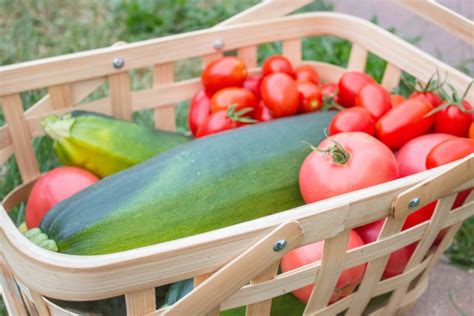
The journey to long-lasting freshness begins even before the greens leave the garden. Country cooks understand that how you harvest significantly impacts shelf life. Picking greens in the early morning, after the dew has dried but before the heat of the day sets in, is crucial. At this time, the plants are at their peak hydration, making them less prone to wilting quickly. Using a sharp knife or shears to make clean cuts prevents bruising and damage to both the plant and the individual leaves.
Additionally, only harvest what you can process or use within a few days. Over-harvesting leads to wasted produce and strains your preservation efforts. Focusing on outer leaves first, especially for varieties like lettuce and kale, allows the plant to continue producing, ensuring a continuous supply of fresh greens.
The Importance of Proper Washing and Drying
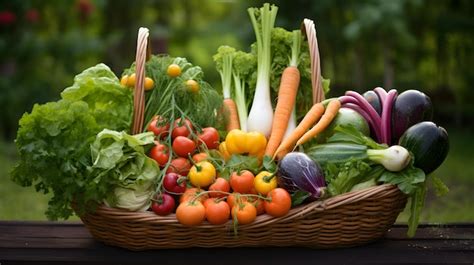
Once harvested, the immediate priority is to prepare the greens for storage. This involves a thorough but gentle wash to remove any soil, insects, or debris. A large bowl or a clean sink filled with cool water is ideal for this. Submerge the greens, swish them around gently, and let any dirt settle to the bottom. Repeat this process if necessary, changing the water until it runs clear.
The most critical step for extending freshness after washing is proper drying. Excess moisture is the enemy of fresh greens, promoting bacterial growth and spoilage. A salad spinner is an invaluable tool for this, effectively removing water without damaging delicate leaves. If you don’t have a spinner, lay the greens out on clean kitchen towels or paper towels and gently pat them dry. Ensure they are as dry as possible before moving to the storage phase.
Traditional Storage Methods for Extended Freshness
The Damp Towel & Bag Technique
One of the most classic and effective country methods involves a slightly damp kitchen towel. After washing and thoroughly drying your greens, wrap them loosely in a clean, slightly damp (not wet) cotton kitchen towel. This creates a humid environment that prevents wilting while allowing the greens to breathe. Place this towel-wrapped bundle into a large, unsealed plastic bag or a reusable produce bag, then store it in the crisper drawer of your refrigerator. This method works wonders for leafy greens like lettuce, spinach, and kale, keeping them crisp for up to a week or even longer.
Paper Towel Layering in Containers
Another popular technique utilizes rigid containers and paper towels. Line the bottom of an airtight container with a layer of dry paper towels. Place your thoroughly dried greens on top, then add another layer of paper towels over the greens. You can stack multiple layers of greens and paper towels, ensuring each layer is separated. Seal the container and place it in the refrigerator. The paper towels absorb any residual moisture, preventing sogginess, while the container protects the leaves from being crushed and from exposure to drying air. Check the paper towels every couple of days and replace them if they become too damp.
Beyond the Fridge: Short-Term Solutions and Preservation
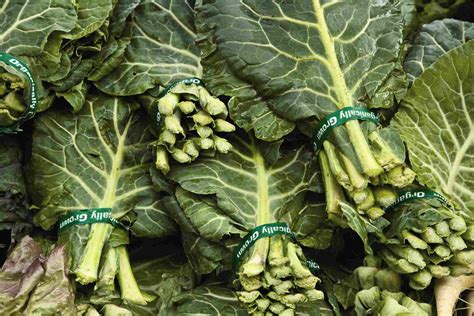
For hardy greens like kale or collards, some country cooks will loosely bunch them and stand them upright in a jar of water, much like a bouquet of flowers. Cover the leaves loosely with a plastic bag and place them in the refrigerator. Change the water daily, and your greens can stay vibrant for several days.
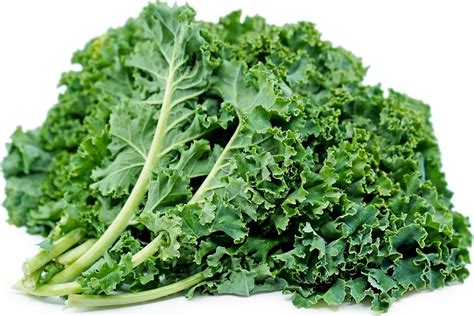
While the goal is often fresh consumption, some greens are also prepared for longer-term preservation. Blanching and freezing is a common method for hardier greens that won’t be eaten fresh. Quickly boiling them for a minute or two, then shocking them in ice water, stops enzyme action that causes spoilage. After thoroughly drying, they can be frozen in airtight bags, ready for soups and stews throughout the colder months.
Final Tips for Maximum Freshness
- Avoid Washing Too Soon: Only wash greens right before you plan to store them, or immediately before use. Pre-washing too far in advance can introduce unnecessary moisture.
- Don’t Overcrowd: Give your greens space in the refrigerator. Overcrowding can lead to bruising and reduced air circulation, speeding up spoilage.
- Inspect Regularly: Remove any wilting, yellowing, or slimy leaves immediately to prevent spoilage from spreading to the rest of the batch.
- Use the Crisper Drawer: This drawer is designed to maintain higher humidity, ideal for most leafy greens.
By applying these simple, time-honored techniques, anyone can learn to keep their garden greens fresh and crisp, echoing the wisdom passed down through generations of country cooks who knew the value of every leaf.