


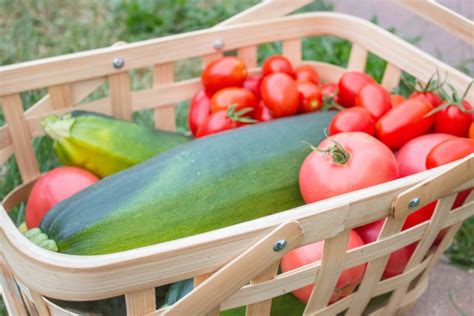


Simple, DIY root cellar tips for storing garden harvest without electricity?

The Timeless Art of Root Cellaring
As the growing season winds down, many gardeners face a delightful dilemma: what to do with an abundant harvest? While modern refrigeration offers convenience, a root cellar provides an elegant, energy-independent solution to extend the freshness of your produce for months. Tapping into ancient wisdom, a DIY root cellar leverages natural earth temperatures to create the ideal environment for storing root vegetables, fruits, and even some leafy greens without a single watt of electricity.
Understanding the Basics: How a Root Cellar Works
At its core, a root cellar is a cool, dark, and humid storage space. These three conditions are crucial for inhibiting sprouting, rot, and moisture loss in produce. The earth itself acts as a natural insulator, moderating temperature swings, while controlled ventilation helps manage humidity and air circulation. The goal is to mimic the conditions of an undisturbed winter ground, keeping your produce dormant and fresh.

Simple DIY Root Cellar Options
You don’t need a sprawling underground vault to enjoy the benefits of a root cellar. Many effective solutions can be created with common materials and a bit of elbow grease.
Buried Container Method
One of the simplest approaches involves burying a sturdy, food-grade container. Large plastic trash cans, old chest freezers (disconnected and cleaned), or even ceramic crocks can be repurposed. Dig a hole deep enough for most of the container to be below ground level. Ensure it has drainage holes at the bottom and a well-sealed lid. You can add a layer of straw or sand for insulation and humidity control around the produce.
Earthen Pit or Mound
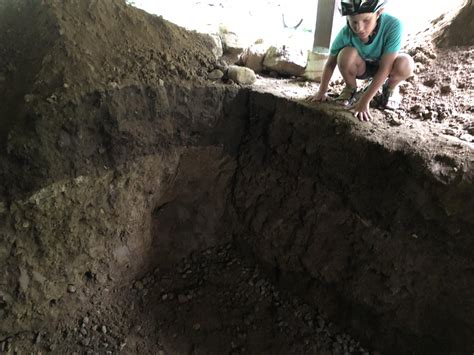
For a more rustic approach, an earthen pit involves digging a shallow trench or pit, lining it with straw, layering your produce, and then covering it with more straw, burlap, and a mound of soil. This method is particularly effective for large quantities of potatoes or carrots and can be quite visually discreet in your garden.
Utilizing Existing Structures
If you have an unheated basement, crawl space, or even a sheltered porch that remains consistently cool and dark during winter, you might already have a suitable root cellar spot. Look for corners that are furthest from heat sources and get minimal light. You might need to add shelves, bins, or insulate a small section to optimize conditions.
Key Elements for Success
Location, Location, Location
Choose a spot that is well-drained and shaded, ideally on the north side of a building or under dense trees. Avoid areas prone to flooding or standing water. Proximity to your home is also a plus for easy access.
Temperature Control
The ideal temperature range for most root cellar produce is just above freezing, between 35-50°F (2-10°C). Earth insulation helps maintain this, but for above-ground structures, adding straw bales, sawdust, or foam insulation can make a big difference.
Humidity Management
High humidity (85-95%) prevents produce from drying out. A soil floor or a layer of damp sand or sawdust in bins can help maintain this. Some people even place a bucket of water inside to boost humidity, especially in drier climates.

Ventilation
While maintaining humidity, good airflow is essential to prevent stale air, mold, and ethylene gas buildup (which can ripen other produce). Simple passive ventilation, such as an intake pipe low to the ground and an exhaust pipe higher up, can create a natural air current.
Pest Protection
Critters love stored produce as much as we do. Ensure your root cellar is secure against rodents and insects. Use sturdy materials, fine mesh screens over ventilation pipes, and regularly inspect for any signs of unwanted visitors.
Best Crops for Root Cellaring
Not all produce is suitable for root cellaring. The best candidates are those that thrive in cool, dark, and humid conditions.
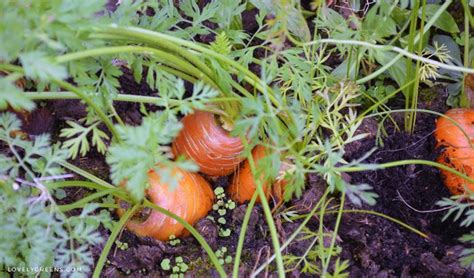
- Root Vegetables: Carrots, potatoes, beets, parsnips, turnips, rutabagas, celeriac, sweet potatoes.
- Hardy Fruits: Apples (store separately from vegetables, as they emit ethylene), pears.
- Squash and Pumpkins: Cured first, then stored in slightly warmer, drier conditions than root vegetables.
- Cabbage: Can be hung or stored in crates.
- Onions and Garlic: Prefer cooler, dry conditions, often stored in braids or mesh bags.
Step-by-Step: Building a Simple Buried Root Cellar
Let’s outline a quick method for a buried trash can root cellar:
- Choose a Location: Select a shaded, well-drained spot.
- Dig the Hole: Excavate a hole slightly larger and deeper than your chosen plastic trash can. Aim for the top of the can to be at ground level.
- Prepare the Can: Drill a few small drainage holes in the bottom of the can. Optionally, add a layer of gravel for better drainage.
- Install Ventilation (Optional but Recommended): For better airflow, cut two small holes near the top of the can. Insert PVC pipes (one reaching near the bottom for intake, one just inside the top for exhaust) and cover the exterior openings with fine mesh to keep pests out.
- Place Produce: Layer your harvested, clean produce (don’t wash, just brush off dirt) in the can, separated by damp sand, sawdust, or straw to maintain humidity and prevent contact spreading rot.
- Secure and Insulate: Place a tight-fitting lid on the can. Mound soil over the lid and around the exposed sides of the can for extra insulation. You can also add straw bales on top for winter.
Maintaining Your Root Cellar
Regular inspection is key. Check your stored produce every few weeks, removing any items that show signs of spoilage. A single rotten potato can quickly spoil the whole batch. Adjust humidity by adding or removing moisture, and ensure proper ventilation to keep the air fresh.

Embrace Sustainable Storage
Building a DIY root cellar is a rewarding project that reconnects you with sustainable food practices. It’s an empowering way to reduce food waste, enjoy fresh garden produce deep into winter, and lessen your reliance on electricity. With a little planning and effort, you can transform your garden’s bounty into a year-round supply of wholesome, delicious food.