

Easiest way to preserve garden bounty without canning?
As your garden flourishes and bountiful harvests start rolling in, the joy of fresh produce can quickly turn into a race against time. While canning is a time-honored tradition for preserving food, it can be intimidating for beginners or those seeking less labor-intensive alternatives. The good news is, you don’t need a pressure canner or boiling water bath to keep your garden’s goodness lasting for months. There are several surprisingly easy and effective methods to preserve your harvest without cracking open a single canning jar.
Freezing: The Ultimate Convenience
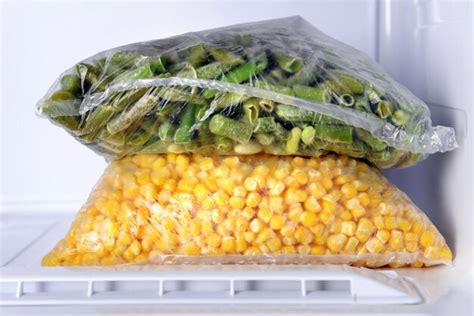
Freezing is arguably the easiest and most versatile method for preserving almost any fruit or vegetable. With minimal preparation, you can lock in nutrients and flavor, enjoying your summer harvest well into the colder months. Most vegetables benefit from a quick blanching (scalding in boiling water or steam for a short time, then rapidly cooling in ice water) before freezing. This stops enzyme action that can cause loss of flavor, color, and texture. Fruits, on the other hand, can often be frozen raw, either whole, sliced, or pureed.
To avoid a giant block of frozen produce, flash-freeze smaller items like berries, corn kernels, or chopped peppers by spreading them in a single layer on a baking sheet until solid. Once frozen, transfer them to freezer bags or containers, squeezing out as much air as possible to prevent freezer burn.
Drying: Ancient Wisdom for Modern Gardens
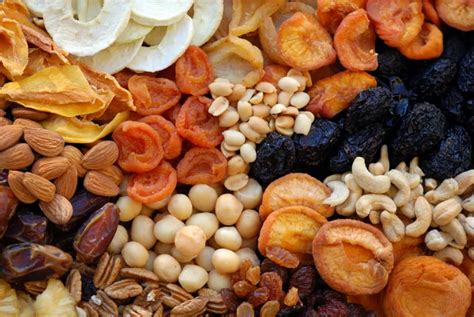
Drying, or dehydration, is one of the oldest preservation methods and is wonderfully simple, especially for herbs, fruits, and certain vegetables. It removes moisture, preventing spoilage and concentrating flavors. You can air-dry herbs by hanging them in bundles in a warm, well-ventilated area. For fruits (like apple slices, berries, or tomatoes) and vegetables (like kale chips or zucchini slices), a food dehydrator offers controlled conditions for consistent results. If you don’t have a dehydrator, a low oven setting with the door ajar can also work.
Store dried produce in airtight containers away from direct sunlight and humidity. They make excellent additions to soups, stews, teas, and snacks.
Fermentation: A Flavorful Journey
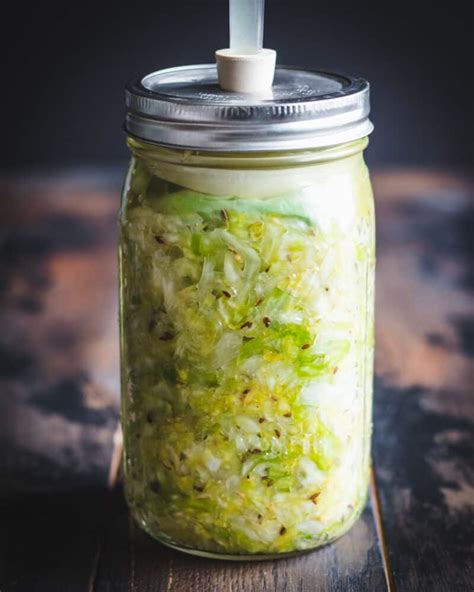
Fermentation is a fantastic way to transform your garden produce into delicious, probiotic-rich foods without heat processing. Lacto-fermentation, in particular, uses beneficial bacteria to convert sugars into lactic acid, which preserves the food and creates unique tangy flavors. Think homemade sauerkraut, kimchi, or dill pickles.
The basic process usually involves chopping or grating vegetables, mixing them with salt, and pressing them into a clean jar where they are submerged under their own brine (or a prepared salt solution). A simple airlock or even just a tight lid (burped daily) can manage the gas production. Within days to weeks, you’ll have flavorful, preserved foods that offer a host of health benefits.
Cool & Root Cellar Storage: Nature’s Refrigerator
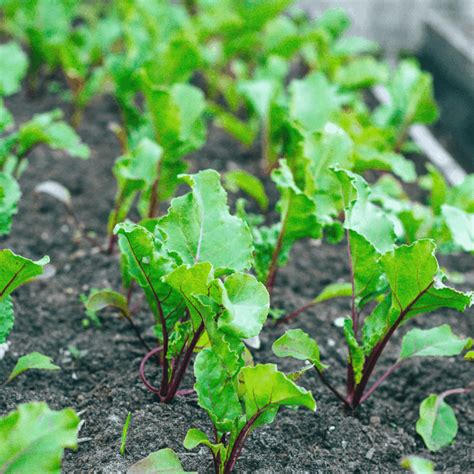
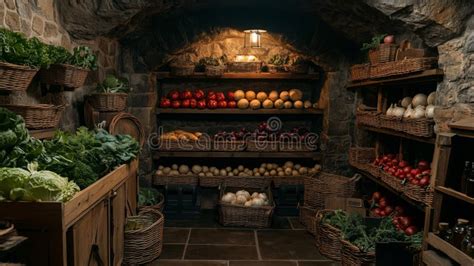
Some crops are naturally designed for long-term storage in cool, dark, and moderately humid conditions—think of a traditional root cellar. While not everyone has a dedicated root cellar, you might have an unheated basement, garage, or even a cool closet that can serve a similar purpose. Root vegetables like carrots, potatoes, beets, and parsnips, as well as onions, garlic, and winter squash, are excellent candidates.
Ensure produce is clean, cured if necessary (like onions and squash), and free of blemishes before storing. Different crops have different ideal temperature and humidity ranges, so a little research for your specific produce will go a long way. Proper cool storage can keep certain items fresh for several months.
Oil & Vinegar Infusions: Aromatic Additions
For fresh herbs from your garden, creating infused oils or vinegars is a simple and elegant preservation method. Simply pack clean, dry herbs into a sterilized bottle and cover them with high-quality olive oil or white wine vinegar. Allow them to infuse for several weeks in a cool, dark place, then strain out the solids. The resulting infused liquids are perfect for salad dressings, marinades, or cooking. Always ensure herbs are completely dry before infusing in oil to prevent botulism risk, and use within a few weeks, or store in the refrigerator.
Preserving your garden bounty doesn’t have to be a daunting task. By embracing these straightforward, canning-free methods, you can enjoy the fruits (and vegetables!) of your labor long after the growing season ends, savoring fresh flavors and minimizing food waste with ease.