




Tips for preserving summer’s farm-fresh produce using traditional recipes?
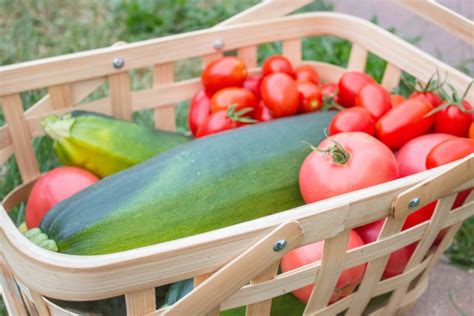
As the days grow long and the sun ripens fields of vibrant fruits and vegetables, summer’s bounty feels endless. Yet, all too soon, the season shifts, leaving us longing for those peak flavors. Fortunately, our ancestors perfected a rich tapestry of traditional preservation methods, allowing us to capture the essence of summer’s farm-fresh produce and enjoy it throughout the year. From sweet jams to tangy pickles, these time-honored techniques are not only practical but also deeply rewarding.
The Sweet Art of Canning: Jams, Jellies, and Sauces
Canning is perhaps one of the most beloved methods for preserving summer fruits and tomatoes. Water bath canning is ideal for high-acid foods like berries, peaches, plums, and most tomatoes. Imagine opening a jar of homemade strawberry jam in the dead of winter, or serving a rich, sun-ripened tomato sauce that tastes exactly like summer.
To successfully can, ensure your jars and lids are sterilized, follow tested recipes meticulously, and process jars for the recommended time. This method not only seals in flavor but also ensures shelf stability for months, if not years.
Tangy Triumphs: Pickling and Fermentation
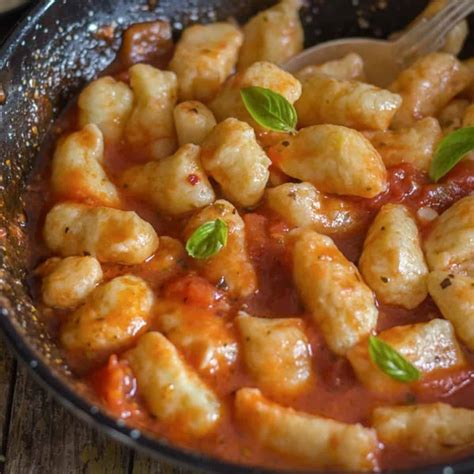
For those who love a bit of zest, pickling and fermentation offer fantastic ways to transform vegetables. Pickling typically involves submerging produce in an acidic brine, often vinegar-based, creating crisp and tangy treats like dill pickles, pickled green beans, or bread and butter pickles.
Fermentation, on the other hand, relies on beneficial bacteria to transform ingredients, yielding gut-healthy foods like sauerkraut, kimchi, and lacto-fermented dilly beans. These processes not only preserve but also enhance flavors and nutritional value.
Drying and Dehydrating: Concentrated Flavor
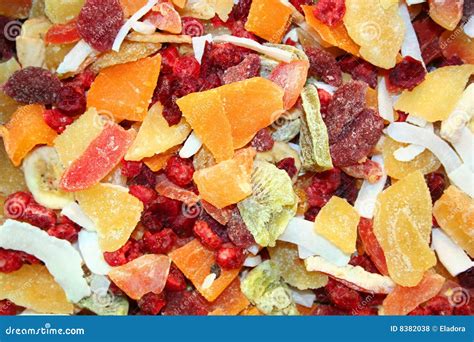
Drying is one of the oldest preservation methods, concentrating flavors and nutrients by removing moisture. Whether you use a dehydrator, an oven on low heat, or even direct sunlight (for certain items in appropriate climates), drying is excellent for herbs, fruit leathers, sliced apples, and sun-dried tomatoes.
Dried produce takes up minimal space and can be rehydrated for cooking or enjoyed as a chewy, nutrient-dense snack.
The Freezer’s Friend: Blanching and Freezing
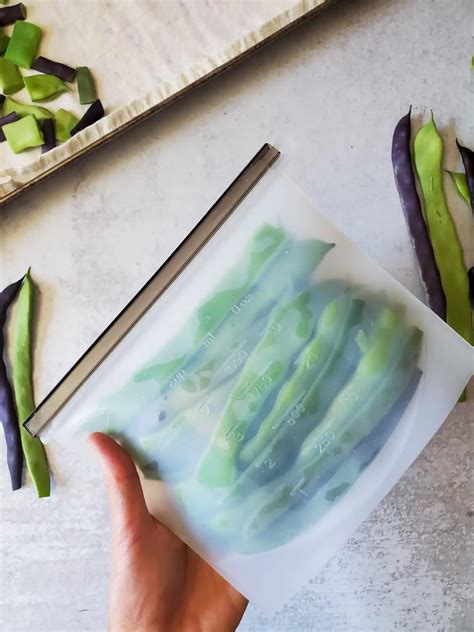
While not a “traditional recipe” in the culinary sense, freezing is an invaluable method for preserving the raw freshness of many summer vegetables and fruits with minimal effort. Blanching vegetables (briefly cooking in boiling water then plunging into ice water) before freezing helps retain their color, texture, and nutrients, making them perfect for soups, stir-fries, and casseroles later on.
Fruits can often be frozen whole (berries), sliced (peaches), or pureed, ready for smoothies, pies, or sauces.
Root Cellaring and Cool Storage: Ancient Wisdom for Modern Homes
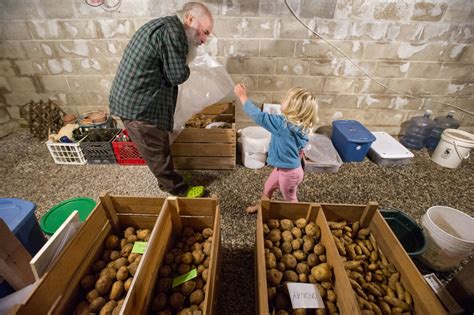
Before refrigeration, root cellars and cool, dark pantries were essential. Many root vegetables like potatoes, carrots, beets, and onions, along with apples and winter squash, can be stored for extended periods in a cool, humid, and dark environment. This method requires no special equipment beyond proper ventilation and conditions, making it an eco-friendly option for those with suitable spaces.
Embracing these traditional preservation techniques not only provides delicious, wholesome food but also connects us to generations of homesteaders and cooks. It’s a sustainable practice that reduces food waste, supports local farmers, and allows you to savor the taste of summer’s peak bounty all year long. So, grab your apron, gather your harvest, and start preserving those precious flavors today!