




What’s the best way to preserve a summer harvest of tomatoes using heritage canning methods?

There’s nothing quite like the taste of a sun-ripened tomato, bursting with flavor straight from the vine. As summer peaks and your garden (or local farmer’s market) overflows with this magnificent fruit, the desire to capture that fresh taste for colder months becomes paramount. While modern freezing and drying methods are popular, heritage canning offers a deeply satisfying, traditional approach that connects us to generations of food preservers.
The Allure of Heritage Canning
Heritage canning, often synonymous with water bath canning for high-acid foods like tomatoes, isn’t just about preserving food; it’s about preserving a legacy. It involves time-honored techniques that result in shelf-stable, delicious pantry staples. Beyond the practicality, there’s an immense satisfaction in seeing rows of your own hand-canned tomatoes, ready to elevate winter stews, sauces, and chilis.
Essential Principles for Safe Tomato Preservation
Safety is paramount when canning. Tomatoes are considered a high-acid food, making them suitable for water bath canning. However, their acidity can vary, especially with certain heirloom varieties or over-ripe fruits. To ensure safety and inhibit bacterial growth, it’s crucial to add additional acid. This can be done with bottled lemon juice (2 tablespoons per quart, 1 tablespoon per pint) or citric acid (1/2 teaspoon per quart, 1/4 teaspoon per pint). Never use fresh lemon juice as its acidity can vary.

Step-by-Step: Water Bath Canning Crushed Tomatoes
Crushed tomatoes are incredibly versatile, perfect for sauces, soups, and casseroles. This method is a great entry point into heritage tomato canning.
1. Preparation
Wash your tomatoes thoroughly. Core them and, if desired, blanch them in boiling water for 30-60 seconds, then plunge into an ice bath to make peeling easier. The skins should slip off readily. You can leave them on if you prefer, but peeled tomatoes generally result in a smoother texture.
2. Cooking and Acidification
Chop the peeled tomatoes roughly. Place them in a large, heavy-bottomed pot. Bring to a boil, then reduce heat and simmer gently for 5-10 minutes, stirring occasionally, to release juices and lightly cook them. This also helps eliminate air. Add your chosen acid (lemon juice or citric acid) directly to each jar, not to the pot of tomatoes, to ensure even distribution.
3. Filling Jars
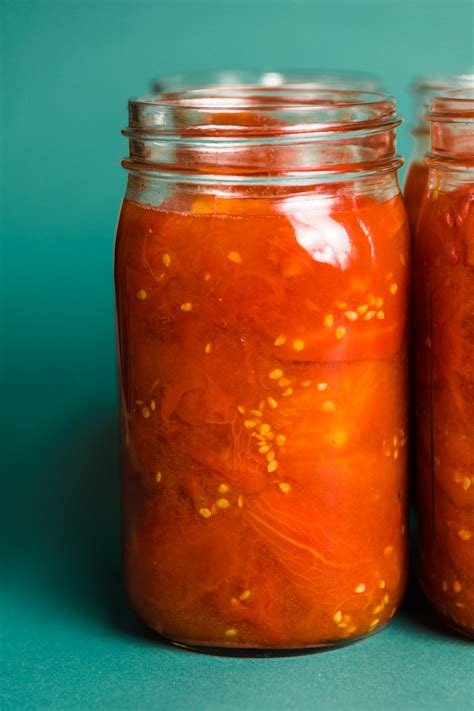
Sterilize your canning jars by washing them in hot, soapy water and keeping them hot until ready to fill (e.g., in a warm oven or canner). Heat new lids in simmering water (do not boil) according to manufacturer instructions. Using a canning funnel, carefully ladle the hot crushed tomatoes into hot jars, leaving 1/2 inch of headspace (the space between the food and the rim of the jar). Remove any air bubbles by running a non-metallic spatula or knife along the inside of the jar. Wipe jar rims clean with a damp cloth, center a lid on each jar, and screw on the bands finger-tight.
4. Processing in a Water Bath Canner
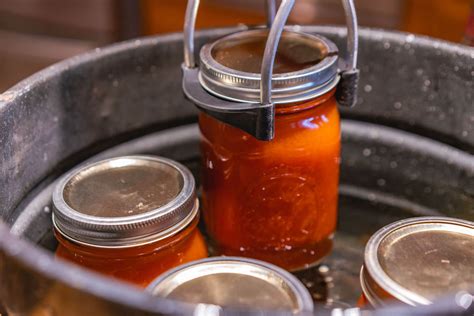
Place filled jars on the rack in your water bath canner. Ensure water covers the jars by at least one inch. Bring the water to a rolling boil. Once boiling, process pint jars for 35 minutes and quart jars for 45 minutes, adjusting for altitude as necessary. After processing, turn off the heat, remove the canner lid, and let the jars sit in the hot water for 5 minutes. Carefully remove jars with a jar lifter and place them on a towel-lined counter, spaced apart, to cool undisturbed for 12-24 hours. Do not tighten the bands.
Beyond Crushed: Other Heritage Tomato Preserves
Once you’ve mastered crushed tomatoes, you can expand your repertoire. Heritage methods are also perfect for:
- Whole Peeled Tomatoes: Pack whole, peeled tomatoes into jars, adding acid, and topping with hot water or tomato juice before processing.
- Tomato Sauce: Cook down your crushed tomatoes further, adding herbs and spices for a seasoned sauce, ensuring it’s still acidic enough for water bath canning.
- Diced Tomatoes: Similar to crushed, but with larger pieces, often packed in their own juice or water.

Tips for Canning Success
- Choose Quality: Start with ripe, unblemished tomatoes for the best flavor and safety.
- Follow Recipes: Always use tested canning recipes from reputable sources (e.g., USDA, Ball/Kerr).
- Check Seals: After cooling, check jar seals. Lids should be concave and not flex when pressed. If a jar hasn’t sealed, refrigerate and consume promptly or reprocess within 24 hours with a new lid.
- Proper Storage: Store sealed jars in a cool, dark, dry place without the bands, which can hide false seals.

Preserving your summer tomato harvest using heritage canning methods is a rewarding endeavor. It’s a way to savor the bounty of the season long after the garden has gone dormant, bringing the taste of summer sunshine to your table, spoonful by delicious spoonful. Embrace the tradition, and enjoy the fruits of your labor!