




How do I keep homemade biscuits flaky & tender every time?

There’s nothing quite like a warm, flaky, and tender homemade biscuit. But for many home bakers, achieving that perfect texture consistently can feel like a culinary mystery. Fear not! With a few key principles and a bit of practice, you can unlock the secret to bakery-quality biscuits every single time.
The Cornerstone: Cold Ingredients
The absolute most crucial factor for flaky biscuits is using very cold ingredients, especially your fat. Whether you’re using butter, shortening, or a combination, it needs to be ice-cold and ideally cut into small pieces or grated. When cold fat melts quickly in a hot oven, it creates pockets of steam that push apart the layers of dough, resulting in that coveted flakiness.

Mastering Fat Incorporation
How you combine the fat with the flour is equally important. The goal is to create small, pea-sized pieces of fat coated in flour, not to fully blend it. You can achieve this using a pastry blender, two knives, or even your fingertips. Work quickly to avoid warming the butter with your hands. Some bakers even freeze their butter and flour for 10-15 minutes before mixing to maintain the cold temperature.
The Gentle Touch: Minimal Handling
Overworking biscuit dough is the quickest way to end up with tough, dense biscuits. Once the liquid is added, mix just until the dry ingredients are moistened. The dough will look shaggy and a bit sticky, and that’s exactly what you want. When rolling or patting out the dough, do so lightly and with as few movements as possible. A common technique for extra flakiness is to fold the dough over itself a few times before cutting, creating more layers.
Just Enough Liquid
The amount of liquid (usually cold buttermilk or milk) can vary slightly depending on the flour and humidity, so it’s often best to add it gradually until the dough just comes together. Too little liquid will result in dry, crumbly dough, while too much will make it sticky and hard to handle, potentially leading to overworking.
Hot Oven, Perfect Rise
Biscuits love a hot oven, typically between 425°F and 450°F (220°C-230°C). The initial blast of high heat helps the cold fat to melt rapidly, creating steam and a quick rise before the crust sets. This temperature also promotes a beautiful golden-brown exterior. Ensure your oven is fully preheated before putting your biscuits in.
Cutting and Placement
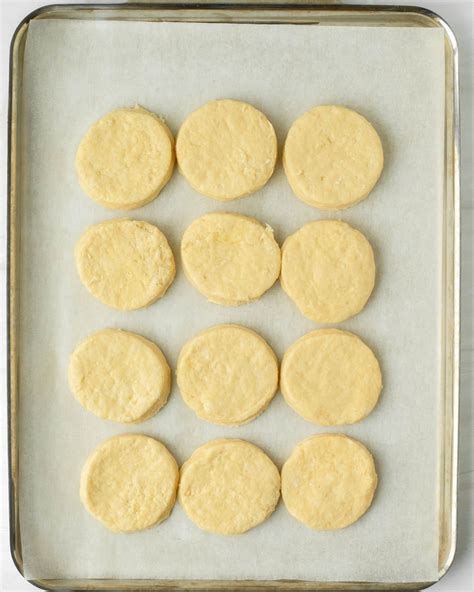
Use a sharp biscuit cutter and press straight down; don’t twist! Twisting seals the edges of the biscuit, preventing a good rise. For softer sides, place biscuits close together on the baking sheet. For crispier, individual biscuits, space them further apart. Brushing the tops with a little melted butter or milk before baking can also enhance browning.

The Reward: Flaky, Tender Perfection
By focusing on these core techniques – using cold fat, gentle mixing, minimal handling, and a hot oven – you’ll consistently produce homemade biscuits that are wonderfully flaky on the outside and tender on the inside. Serve them warm with butter, jam, gravy, or simply enjoy their irresistible simplicity. Happy baking!