





What natural pest control methods work best for organic vegetable gardens?

Embracing Nature’s Defense in Your Organic Garden
Cultivating an organic vegetable garden means working in harmony with nature, and that includes managing pests without resorting to harsh chemicals. Natural pest control methods not only protect your plants but also foster a healthier ecosystem, encouraging biodiversity and sustainable growth. The best approaches are often multi-faceted, combining prevention with direct intervention when necessary.
Cultivating Beneficial Insects
One of the most effective natural pest control strategies is to invite beneficial insects into your garden. These allies prey on common garden pests, acting as living pesticides. Ladybugs devour aphids, lacewings target whiteflies, and parasitic wasps lay eggs in caterpillars, eventually killing them. To attract these helpful creatures, plant a diverse range of flowering plants like dill, fennel, cosmos, marigolds, and sweet alyssum, which provide nectar and pollen.

The Power of Companion Planting
Companion planting involves strategically placing different plant species near each other to deter pests or enhance growth. For example, marigolds are known to repel nematodes and other soil pests when planted near tomatoes and other vegetables. Nasturtiums can act as ‘trap crops,’ luring aphids away from more desirable plants. Herbs like garlic, chives, and onions emit strong scents that can confuse and deter pests like aphids and slugs.
Physical Barriers and Manual Removal
Sometimes, the simplest methods are the most effective. Physical barriers, such as row covers or fine netting, can protect young seedlings and vulnerable crops like brassicas from flying insects and birds. Regularly inspecting your plants allows for manual removal of larger pests like tomato hornworms, slugs, or potato beetles. Hand-picking can be time-consuming but is incredibly effective and precise, preventing damage without chemicals.
Crop Rotation and Garden Hygiene
Preventative measures are key in organic pest control. Practicing crop rotation, where you plant different plant families in different spots each season, helps break pest life cycles and prevents disease buildup in the soil. Maintaining good garden hygiene is also crucial: promptly remove diseased or infested plant parts, clear away fallen leaves and debris, and keep weeds under control, as they can harbor pests and diseases.
Homemade Solutions and Organic Sprays
For more direct intervention, several homemade and organic sprays can be highly effective. Neem oil, derived from the neem tree, is a natural broad-spectrum insecticide, fungicide, and miticide that disrupts pest feeding and reproduction. Insecticidal soap sprays work by suffocating soft-bodied insects like aphids, spider mites, and whiteflies. Garlic or chili pepper sprays can also act as repellents. Always test any spray on a small portion of the plant first to ensure it doesn’t cause damage.

Encouraging Natural Predators and Healthy Soil
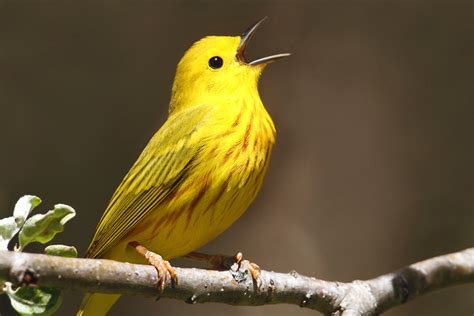
Beyond insects, encourage larger predators like birds, frogs, and toads by providing water sources and shelter. Birds eat caterpillars and slugs, while frogs and toads feast on various insects. Furthermore, the foundation of a resilient garden lies in healthy soil. Rich, living soil, nourished with compost and organic matter, promotes strong, vigorous plants that are naturally more resistant to pest attacks.
A Holistic Approach for a Thriving Garden
The best natural pest control for organic vegetable gardens is a holistic approach. By combining preventative measures like crop rotation and companion planting with active strategies like encouraging beneficial insects and using organic sprays, you create a balanced ecosystem. This not only keeps pests at bay but also ensures your garden remains a vibrant, productive, and chemical-free space for growing healthy, delicious vegetables.