





What are the best tips for making traditional pantry staples from scratch?

Embracing the art of making traditional pantry staples from scratch is a rewarding journey that offers numerous benefits, from superior taste and control over ingredients to cost savings and a deeper connection with your food. Moving beyond store-bought options might seem daunting, but with the right approach and a few key tips, you can transform your kitchen into a hub of homemade goodness.
Why Go Homemade? The Benefits Beyond Taste
Opting to make your own pantry essentials isn’t just about crafting delicious food; it’s about reclaiming control. You dictate the quality of ingredients, avoid unwanted additives, preservatives, and excessive sodium or sugar. This leads to healthier meals and often a more vibrant flavor profile. Furthermore, it’s an excellent way to reduce food waste by utilizing ingredients more efficiently and mastering traditional preservation techniques. It’s also incredibly satisfying to know exactly what goes into every bite.

Essential Planning and Preparation
Start Small and Build Confidence
Don’t try to overhaul your entire pantry overnight. Begin with one or two items you use frequently and find relatively simple to make, like vegetable broth, homemade yogurt, or basic bread. As you gain confidence and skill, you can gradually expand your repertoire. Success with simpler items will motivate you for more complex projects.
Gather the Right Tools
While you don’t need a professional kitchen, having a few essential tools can make the process much smoother. Think about a good quality large pot for stocks, airtight containers for storage, canning jars for preservation, a stand mixer for baking, or a food processor for sauces. Investing in durable, multi-purpose equipment will serve you well in the long run.
Source Quality Ingredients
The beauty of homemade is in the ingredients. Seek out fresh, high-quality produce, organic flours, good fats, and pure spices. Farmers’ markets, local co-ops, or even growing a small herb garden can provide access to superior ingredients that will elevate the taste and nutritional value of your staples.
Mastering Basic Techniques
Baking Basics: Bread, Crackers, and Pastries
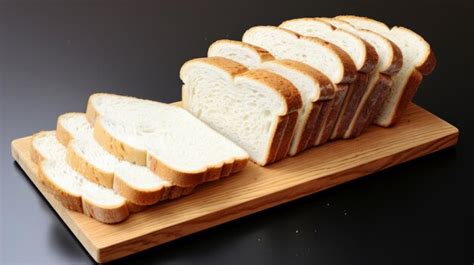
Bread is a cornerstone staple. Learning a simple no-knead bread recipe or a basic sourdough starter can be incredibly rewarding. Beyond bread, consider making your own crackers, pie crusts, or even pasta. These foundational baking skills open up a world of possibilities.
Broths and Stocks: The Flavor Foundation
A good quality homemade stock is the backbone of countless recipes. Whether it’s chicken, beef, or vegetable stock, making it from scratch allows you to control the sodium and ensure a rich, natural flavor. Use leftover bones, vegetable scraps, and herbs, simmering them slowly for a deeply flavorful base for soups, sauces, and risottos.
Sauces and Condiments: Elevating Your Meals
From ketchup and mayonnaise to salad dressings and hot sauce, homemade condiments are a game-changer. They often require just a few common ingredients and taste far superior to their store-bought counterparts. Experiment with different spices and vinegars to personalize your creations.
Fermentation Fun: Pickles, Yogurt, and More
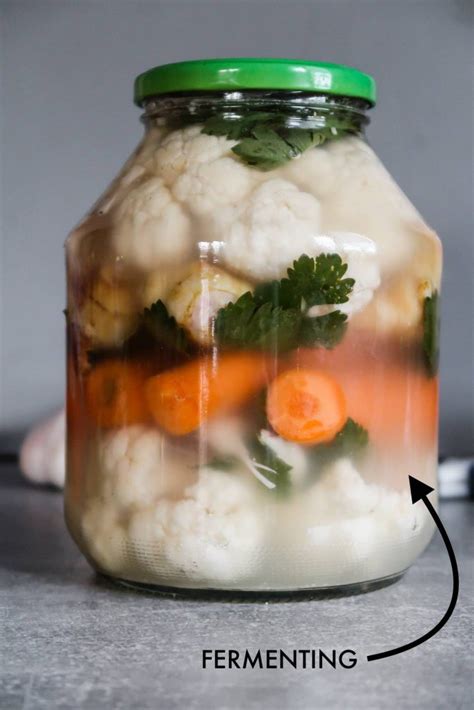
Fermentation is an ancient art that’s experiencing a resurgence. Making your own sauerkraut, kimchi, pickles, or yogurt can introduce beneficial probiotics to your diet and offers unique flavors. The process is often simpler than you think, typically requiring just salt, vegetables/milk, and time.
Smart Storage and Preservation
Once you’ve made your staples, proper storage is crucial for longevity and safety. Invest in good quality airtight containers, glass jars, and understand different preservation methods. Freezing is excellent for broths, sauces, and some baked goods. Canning (water bath or pressure canning) is ideal for jams, jellies, and low-acid foods. Dehydrating can preserve herbs and fruits. Always follow tested recipes for canning to ensure safety.

Tips for Success and Avoiding Pitfalls
- Read Recipes Thoroughly: Before starting, read the entire recipe to understand the steps and ensure you have all ingredients and equipment.
- Don’t Fear Failure: Not every attempt will be perfect. Learn from mistakes and enjoy the process.
- Batch Cook: Make larger quantities of staples that freeze well, like broth or pasta sauce, to save time later.
- Keep Notes: Jot down what worked, what didn’t, and any modifications you made.
- Involve Others: Cooking from scratch can be a fun activity to share with family or friends.
Conclusion
Embarking on the journey of making traditional pantry staples from scratch is a deeply satisfying endeavor that enriches your culinary skills and elevates your daily meals. By starting small, focusing on quality ingredients, mastering basic techniques, and employing smart storage solutions, you’ll soon fill your pantry with homemade goodness that’s both healthier and more delicious. So roll up your sleeves, pick a favorite staple, and start cooking – your taste buds (and your budget) will thank you!