




Best organic methods to deter deer from my country vegetable patch?

Protecting Your Harvest: Organic Deer Deterrents
Deer, with their graceful presence, can quickly become a gardener’s nemesis, especially when they discover a bounty of fresh vegetables. For those in country settings, safeguarding a vegetable patch organically is paramount – protecting both your crops and the local ecosystem. This guide explores effective, humane, and chemical-free strategies to keep deer from turning your garden into their personal salad bar.
The First Line of Defense: Physical Barriers
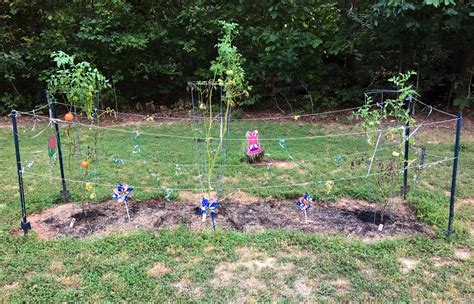
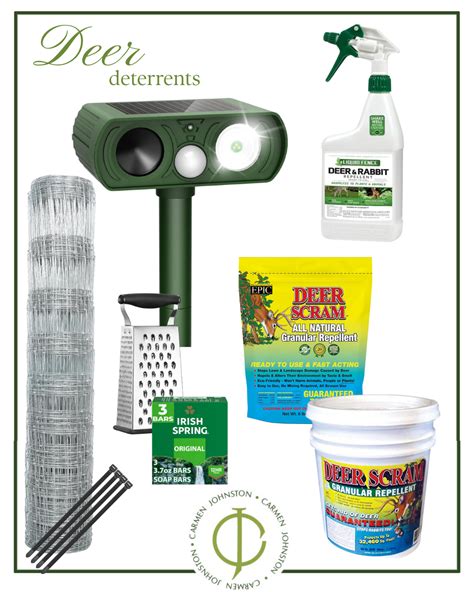
Without a doubt, a physical barrier is the most effective way to deter deer. For serious protection, consider a sturdy fence. Deer are excellent jumpers, so an ideal fence should be at least 7-8 feet tall. Options include woven wire, electric fencing, or even a double-fence system where two shorter fences (around 4-5 feet) are placed 3-4 feet apart; deer often perceive this as too complex to jump.
Another clever fencing trick is to angle the fence outwards at a 45-degree angle. This makes it difficult for deer to gauge the top, deterring them from attempting a jump. Remember to secure the bottom of any fence firmly to the ground to prevent deer from crawling underneath.
Natural Repellents: Appealing to Their Senses
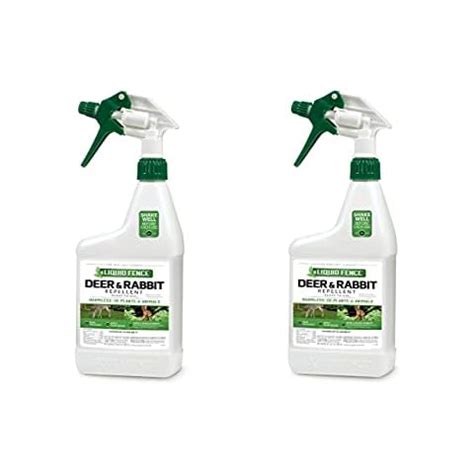
Deer have a keen sense of smell and taste, which can be leveraged for organic deterrence. Homemade sprays using ingredients like rotten eggs, garlic, hot peppers, and dish soap can be highly effective. Mix these in water and spray directly onto plants (test a small area first). Reapply after rain or every few weeks to maintain potency.
Other scent-based deterrents include hanging bars of strongly scented soap (like Irish Spring) from stakes around the garden, or scattering human hair (collected from barbershops) near vulnerable plants. Deer are often wary of unfamiliar human scents. For a more immediate, though temporary, solution, commercial organic deer repellents often use strong-smelling essential oils or putrescent egg solids.
Scare Tactics: Keeping Deer on Their Toes
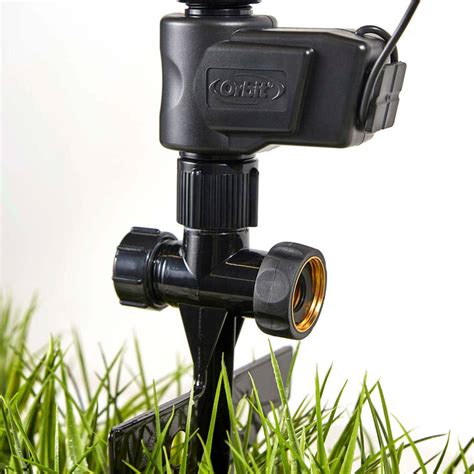
Deer are creatures of habit, but they are also easily startled. Incorporating unexpected disturbances can make your garden less inviting. Motion-activated sprinklers are excellent – a sudden spray of water is often enough to send deer fleeing. Reflective objects, such as old CDs or aluminum pie plates hung on string, can flash and move in the wind, creating an unsettling environment.
For nocturnal visitors, consider adding a battery-operated radio set to a talk show station; the human voices can often deter them. Changing up your scare tactics periodically is crucial, as deer are intelligent and can become accustomed to static deterrents over time.
Strategic Planting: Choosing Deer-Resistant Varieties
While no plant is completely deer-proof if they’re hungry enough, some plants are less appealing than others. Incorporating these into and around your vegetable patch can act as a natural deterrent. Deer generally dislike plants with strong scents, fuzzy leaves, or bitter tastes.
Consider surrounding your vegetable beds with deer-resistant herbs like lavender, rosemary, sage, and mint. Ornamental plants such as marigolds, daffodils, and poppies are also generally ignored. Conversely, know which plants are deer favorites (like hostas, peas, beans, and certain lettuces) and give them extra protection or choose less appealing varieties.

Consistency and Vigilance: The Key to Long-Term Success
Organic deer deterrence isn’t a one-time fix; it requires ongoing effort. Regularly inspect your fences for damage, reapply repellents after rain, and rotate your scare tactics to prevent deer from habituating. Observe deer behavior – what are they eating, and when? This information can help you tailor your deterrent strategies. Combining multiple methods (e.g., a fence with repellent sprays and scare tactics) often yields the best results. With persistence and a multi-pronged organic approach, you can enjoy a bountiful harvest from your country vegetable patch.