




Practical ways to involve family in garden-to-table real food meals?

Cultivating Connection Through Garden-to-Table Meals
There’s a unique magic in sharing a meal that began as a tiny seed, tended with love, and transformed into delicious sustenance. Involving your family in the entire garden-to-table process isn’t just about growing food; it’s about cultivating lifelong skills, fostering appreciation for nature, and creating cherished memories together. Shifting towards real food meals sourced from your own backyard can seem like a big undertaking, but by breaking it down into manageable, fun steps, you can ensure everyone, from the littlest hands to the busiest adults, plays a vital role.

Getting Started in the Garden: From Seed to Harvest
The garden itself offers countless opportunities for family involvement. Start by letting children help choose what to plant. Give them a dedicated small plot or a few containers to grow their favorite vegetables or herbs. This ownership is a powerful motivator. Involve them in tasks like preparing the soil, sowing seeds, and watering. Teach them about the different parts of a plant and how to identify weeds.
Nurturing and Learning
Daily check-ins on the garden can become a family ritual. Discuss what the plants need, observe insects (both helpful and harmful), and celebrate every sprout and bloom. When it’s time to harvest, make it an event! Provide kid-friendly tools and baskets, and explain how to pick ripe produce without damaging the plant. The excitement of pulling a carrot from the ground or plucking a sun-warmed tomato is unparalleled.

Bringing the Harvest to the Kitchen: Preparing Meals Together
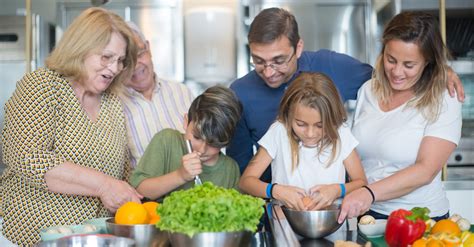
Once the bounty is brought in, the kitchen becomes the next hub of activity. Even young children can help wash vegetables, shell peas, or tear lettuce for a salad. Older children can take on tasks like chopping (with supervision), measuring ingredients, or stirring pots. Assign specific roles for each family member based on their age and skill level. For instance, one child might be in charge of washing, another for prepping, and an adult for cooking on the stove.
Creative Cooking and Recipe Exploration
Encourage creativity by letting family members suggest ways to prepare the fresh ingredients. Look through cookbooks or online recipes together, focusing on dishes that highlight your garden’s produce. Simple meals like roasted vegetables, fresh salads, or homemade pizzas topped with garden herbs are excellent starting points. The more involved they are in preparing the food, the more likely they are to try and enjoy it.

Enjoying the Fruits of Your Labor: Mealtime Engagement
The dinner table is where all the hard work culminates. Make mealtime a special occasion. Have everyone participate in setting the table, perhaps with flowers from the garden. Before eating, take a moment to acknowledge the journey of the food – from seed to plate. Ask questions like, “Who grew the tomatoes?” or “What was your favorite part of making this meal?” This reinforces the connection between effort and reward.
Sharing and Savoring
Encourage conversation about the flavors and textures of the meal. This not only builds appreciation for healthy, real food but also strengthens family bonds. Children are more inclined to eat vegetables they’ve helped grow and prepare. After the meal, involve everyone in the cleanup process, teaching responsibility from start to finish. Even drying dishes can be a time for lighthearted chat.

Beyond the Plate: Extending the Garden-to-Table Experience
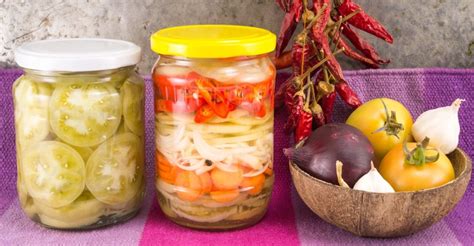
The garden-to-table journey doesn’t have to end with a single meal. Involve your family in preserving the harvest. Canning, freezing, or drying excess produce teaches valuable skills and ensures you can enjoy your garden’s bounty year-round. Making jams, pickles, or even homemade sauces can be fun group activities. Plan future garden projects together, reflecting on what worked well and what could be improved next season.
The Lasting Rewards of Family Garden-to-Table
Involving your family in garden-to-table real food meals is more than just a culinary endeavor; it’s an investment in their health, education, and emotional well-being. It teaches patience, responsibility, and the satisfaction of hard work. It strengthens family ties and instills a deep appreciation for where food comes from. By embracing this holistic approach, you’re not just feeding your family nutritious food; you’re nurturing a sustainable lifestyle and creating a legacy of shared experiences that will nourish them for years to come.