


How do I safely preserve excess garden tomatoes without a pressure canner for winter meals?

Unlock Your Tomato Harvest: No Pressure Canning Required!
As summer wanes, a bountiful tomato harvest can feel like a delicious challenge. The vibrant reds, yellows, and oranges signal fresh salads and sauces, but what happens when you have more than you can possibly eat? For many home gardeners, the thought of preserving this abundance conjures images of intimidating pressure canners. Fear not! You can safely preserve your excess garden tomatoes for delicious winter meals using several time-tested methods that don’t require a pressure canner. From freezing to water bathing and drying, these techniques will ensure your pantry is stocked with the taste of summer.
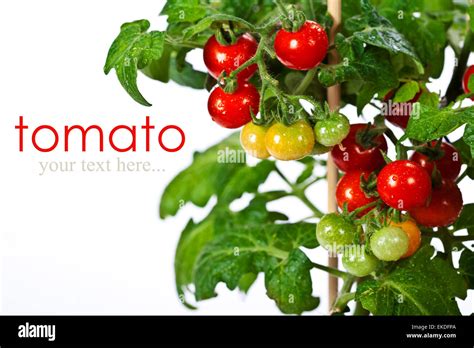
The Easiest Route: Freezing Tomatoes
Freezing is arguably the simplest and least labor-intensive way to preserve tomatoes, retaining much of their fresh flavor and nutritional value. It’s perfect for all types of tomatoes, whether you plan to use them in sauces, soups, or stews.
Method 1: Whole or Halved Tomatoes
- Wash and Core: Wash your tomatoes thoroughly and remove the cores. You can blanch them quickly (dip in boiling water for 30-60 seconds, then in ice water) to make peeling easier, but it’s not strictly necessary if you’re making sauce later.
- Freeze on a Tray: Arrange whole or halved tomatoes on a baking sheet lined with parchment paper, ensuring they don’t touch. Freeze until solid (a few hours). This prevents them from sticking together.
- Bag and Store: Transfer the frozen tomatoes to freezer-safe bags or containers, removing as much air as possible to prevent freezer burn. Label with the date. They’ll last for 8-12 months.
Method 2: Pureed or Sauced Tomatoes
If you know you’ll be using your tomatoes for sauces, pureeing them first saves space and prep time later.
- Cook Down: Wash, core, and chop your tomatoes. Cook them down in a large pot until softened, then run them through a food mill or blender to achieve your desired consistency. Season lightly if desired.
- Cool: Allow the puree or sauce to cool completely.
- Freeze: Pour into freezer-safe containers, leaving headspace for expansion. You can also freeze in ice cube trays for smaller portions, then transfer the frozen cubes to a bag. Store for up to a year.

Water Bath Canning: For Acidic Tomato Products
Water bath canning is a safe method for preserving high-acid foods, and while tomatoes used to be considered high-acid, modern varieties can vary. To ensure safety, always add an acid to your tomatoes before water bath canning. This is crucial for preventing the growth of Clostridium botulinum, which thrives in low-acid, anaerobic environments.
Safe Acidification Guidelines:
- For quart jars: Add 2 tablespoons of bottled lemon juice or ½ teaspoon of citric acid.
- For pint jars: Add 1 tablespoon of bottled lemon juice or ¼ teaspoon of citric acid.
- You can also add ¼ teaspoon of salt per quart for flavor, but it is not a preservative.
Basic Water Bath Canning Steps:
- Prepare Jars: Wash jars and lids in hot soapy water; sterilize jars by boiling for 10 minutes or running through a dishwasher cycle. Keep them hot until filling.
- Prepare Tomatoes: Wash, core, and chop tomatoes. You can hot-pack (simmer first) or raw-pack. Add your chosen acid directly to each jar.
- Fill Jars: Pack tomatoes into hot jars, leaving ½ inch headspace. Remove air bubbles with a non-metallic spatula, adding more liquid if needed to maintain headspace. Wipe jar rims clean.
- Seal and Process: Place lids and screw bands on, tightening just until fingertip-tight. Carefully place jars in a large pot with a rack, ensuring they are covered by at least 1-2 inches of boiling water. Bring to a rolling boil and process according to recommended times for your recipe and altitude (typically 35-45 minutes for pints/quarts of whole/diced tomatoes).
- Cool and Store: Remove jars from the canner and cool undisturbed on a towel for 12-24 hours. Check seals. Store properly sealed jars in a cool, dark place.

Dehydrating Tomatoes: A Flavorful and Space-Saving Option
Drying tomatoes concentrates their flavor, making them intensely savory and perfect for adding to pasta dishes, salads, or risottos. You can use a food dehydrator or even your oven on a very low setting.
Dehydrator Method:
- Prepare Tomatoes: Wash, core, and slice tomatoes ¼ to ½ inch thick. Smaller varieties can be halved.
- Arrange: Place slices on dehydrator trays without overlapping.
- Dehydrate: Dry at 135°F (57°C) for 8-12 hours, or until pliable but not sticky, and leathery.
Oven Drying Method:
- Prepare: Same as above.
- Arrange: Place slices on parchment-lined baking sheets.
- Dry: Bake at the lowest possible temperature (usually 150-200°F or 65-93°C), propping the door ajar with a wooden spoon to allow moisture to escape. This can take 6-12 hours or more, depending on your oven and tomato moisture.
Once dried, cool completely. Store in airtight containers in a cool, dark place. For longer storage, you can pack them in olive oil in the refrigerator (ensure they are completely submerged and oil is fresh, consume within a few weeks for safety).

Making & Freezing Sauces or Paste
While canning complex sauces without a pressure canner can be risky due to varying acidity levels of added ingredients, making a large batch of your favorite tomato sauce or paste and freezing it is an excellent and safe alternative. Cook your sauce down to your desired consistency, season it, cool it completely, and then freeze in appropriate portions.
General Safety Tips for All Preservation Methods
- Use Ripe, Healthy Tomatoes: Only preserve tomatoes that are free from blemishes, mold, or soft spots.
- Sanitation is Key: Always work with clean hands, utensils, and surfaces.
- Follow Recipes: For water bath canning, always use tested recipes from reputable sources like the USDA, university extension offices, or trusted canning books.
- Proper Storage: Store all preserved items in a cool, dark, dry place.
- Check Seals (Canning): Before storing, ensure all canned jars have a proper seal (lids should be concave and not flex when pressed).
With these methods, you can confidently turn your garden’s summer bounty into a winter’s delight. Enjoy the satisfaction of serving homegrown flavor all year long, without the need for specialized pressure canning equipment!