




Simple natural soil amendments for bountiful real food harvests?

Unlocking Your Garden’s Potential with Healthy Soil
For any home gardener dreaming of lush, productive plants and an abundance of delicious, home-grown food, the secret lies not just in what you plant, but where you plant it. The health of your soil is the cornerstone of a thriving garden, dictating nutrient availability, water retention, and overall plant vigor. Chemical fertilizers offer a quick fix but often deplete the soil’s long-term vitality. The good news? Returning to nature’s methods with simple, natural soil amendments can transform your garden into a powerhouse of productivity, yielding incredibly flavorful and nutritious real food harvests.
Healthy soil is teeming with microscopic life, a complex ecosystem that works tirelessly to break down organic matter, cycle nutrients, and create the perfect environment for roots to flourish. When we nurture this living soil, our plants respond with robust growth, increased resilience to pests and diseases, and ultimately, more flavorful produce. It’s an investment that pays dividends year after year.

Compost: The Heart of Healthy Soil
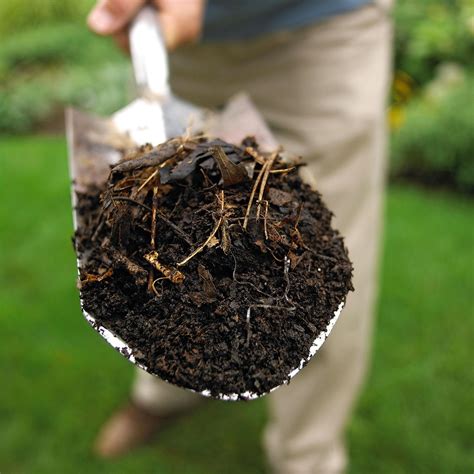
Perhaps the most fundamental and universally beneficial soil amendment is compost. Often referred to as “gardener’s gold,” compost is decomposed organic matter rich in nutrients, beneficial microbes, and humus. Adding compost to your garden improves soil structure, enhances water retention in sandy soils, and improves drainage in clay soils. It slowly releases essential nutrients, providing a steady food source for plants without the risk of over-fertilization.
Making your own compost is a rewarding process, turning kitchen scraps and yard waste into a valuable resource. Whether you buy it or make it, incorporating a generous layer of compost into your garden beds annually is one of the best things you can do for your soil. Simply spread a 1-2 inch layer over your garden beds and gently work it into the top few inches of soil, or let earthworms do the work for you.
Manure and Worm Castings: Nutrient Powerhouses
Beyond compost, well-rotted animal manure is another excellent source of organic matter and nutrients. It’s crucial to use aged or composted manure (from chickens, cows, horses, or rabbits) to avoid burning plants with excessive nitrogen or introducing pathogens. Fresh manure is too potent for direct garden application. Once properly aged, manure enriches soil structure and provides a slow-release supply of nitrogen, phosphorus, and potassium.
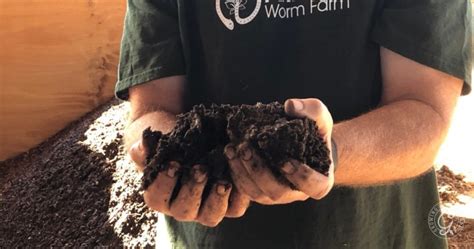
Worm castings, the excrement of earthworms, are often considered a superfood for soil. They are incredibly rich in nutrients in a readily available form for plants, packed with beneficial microbes, and possess natural pest-deterring qualities. A little goes a long way with worm castings; they can be mixed into potting soil, used as a side dressing for established plants, or brewed into a nutrient-rich “worm tea” for liquid feeding.
Cover Crops: Nature’s Green Manure
When garden beds are left bare between growing seasons, they are susceptible to erosion and nutrient depletion. Enter cover crops – plants grown specifically to benefit the soil rather than for harvest. Often called “green manure,” cover crops like clover, vetch, oats, or buckwheat protect the soil from wind and rain, suppress weeds, and add organic matter when tilled under. Leguminous cover crops also fix nitrogen from the atmosphere, making it available to subsequent crops.
Planting cover crops in the fall or during fallow periods is a brilliant way to naturally replenish and build soil fertility. They also improve soil structure, increasing aeration and water penetration. When it’s time to plant your main crops, simply cut them down and either dig them into the soil a few weeks before planting or let them decompose on the surface as a natural mulch.

Mineral Boosts and Beyond
While compost and manure provide a broad spectrum of nutrients, specific mineral amendments can address particular deficiencies or enhance overall soil vitality. Kelp meal, derived from seaweed, is a fantastic source of trace minerals, hormones, and growth stimulants that boost plant vigor and disease resistance. Rock dust, such as glacial rock dust or azomite, reintroduces a wide array of trace minerals that might have been depleted from the soil over time, leading to more nutrient-dense produce.
Biochar, a highly porous charcoal made from biomass, is another intriguing amendment. It improves soil structure, water retention, and nutrient holding capacity, and provides a long-term habitat for beneficial microbes. Used in conjunction with other organic materials, biochar can significantly enhance soil health over many years.
Cultivating Abundance, Naturally
Adopting a natural approach to soil amendments is more than just a gardening technique; it’s a philosophy that respects the intricate web of life beneath our feet. By focusing on feeding the soil rather than just feeding the plants, you create a resilient, self-sustaining ecosystem that consistently delivers bountiful harvests of nutrient-rich, real food. Your vegetables will taste better, your fruits will be sweeter, and your garden will thrive with vibrant life.
Start small, observe your soil, and experiment with these simple, natural amendments. You’ll soon discover the profound satisfaction of growing your own food, knowing it’s cultivated in healthy, living soil, nurtured by nature’s own wisdom. Happy gardening!