

What are simple, real food recipes for batch cooking seasonal garden produce?

Embrace Your Garden’s Bounty with Smart Batch Cooking
Cooking with fresh, seasonal produce from your garden or local market is a joy, but managing a large harvest can sometimes feel overwhelming. Batch cooking offers an elegant solution, transforming a bountiful crop into delicious, ready-to-eat meals and components that last throughout the week. It’s about maximizing flavor, minimizing waste, and ensuring you always have wholesome, real food options at your fingertips. This guide explores simple, versatile recipes designed to make the most of whatever your garden yields.
Foundational Strategies for Seasonal Batch Cooking
Before diving into specific recipes, mastering a few core batch cooking strategies will set you up for success. The key is versatility: think about preparations that can be adapted to different vegetables and serve multiple purposes. Focus on cooking vegetables to a tender-crisp stage, which allows them to retain texture when reheated or combined with other dishes later.
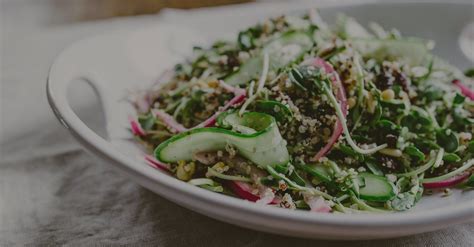
- Roasting is Your Best Friend: High heat roasting brings out incredible sweetness and caramelization in almost any vegetable, from root vegetables like carrots and potatoes to summer squash, bell peppers, and broccoli.
- Blanching and Freezing: For greens (spinach, kale, chard) and certain legumes (green beans), a quick blanch followed by an ice bath preserves color and nutrients, making them perfect for freezing for later use in smoothies, stir-fries, or soups.
- Sauces and Pestos: Utilize abundant herbs or greens (like basil, parsley, kale) to create vibrant pestos or versatile sauces. These can be frozen in ice cube trays and added to pasta, meats, or roasted vegetables.
- Prep Components, Not Just Full Meals: Instead of cooking entire dishes, focus on preparing individual components like roasted vegetables, cooked grains, and protein sources. This allows for endless mix-and-match possibilities throughout the week.
Versatile Real Food Recipes for Your Harvest
1. Roasted Vegetable Medleys with Herbs
This is arguably the easiest and most adaptable batch cooking method. Almost any combination of seasonal vegetables works well. Think root vegetables in cooler months (carrots, parsnips, sweet potatoes) and lighter options in warmer seasons (zucchini, bell peppers, cherry tomatoes, onions, eggplant).
How-to:
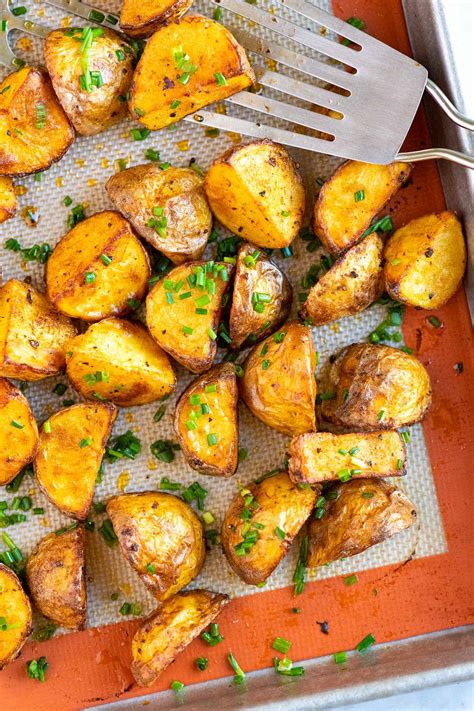
Chop your chosen vegetables into uniform, bite-sized pieces. Toss them with olive oil, salt, pepper, and your favorite dried herbs (rosemary, thyme, oregano). Spread them in a single layer on baking sheets. Roast at 400°F (200°C) for 20-30 minutes, or until tender and lightly caramelized. You can roast multiple trays at once. Once cooled, store in airtight containers. Use them as a side dish, add to salads, toss with pasta, or incorporate into grain bowls.
2. Hearty Garden Vegetable Soup Base
A big pot of vegetable soup base is a lifesaver. It’s excellent for using up a variety of vegetables that are slightly past their prime or abundant.
How-to:
Sauté a mirepoix (onions, carrots, celery) in a large pot. Add chopped seasonal vegetables like zucchini, green beans, tomatoes, corn, or kale. Pour in vegetable broth, add some bay leaves and herbs (thyme, parsley). Simmer until vegetables are tender. You can blend a portion of it for a creamier texture or leave it chunky. Store the base and add fresh greens, cooked grains, or protein (like chickpeas or shredded chicken) when reheating to create different meals throughout the week. It also freezes beautifully.
3. Flexible Frittatas or Quiches
Eggs are an excellent binder for almost any leftover or freshly cooked vegetable. Frittatas and quiches are perfect for breakfast, lunch, or a light dinner, and they reheat wonderfully.
How-to:
Sauté any greens (spinach, chard, kale) or firmer vegetables (onions, mushrooms, bell peppers, zucchini) until tender. Whisk a dozen eggs with a splash of milk or cream, salt, pepper, and any desired cheese. Pour the egg mixture over the vegetables (and optional cooked meat) in an oven-safe skillet or pie crust. Bake at 375°F (190°C) until set and lightly golden. Slice into portions for easy grab-and-go meals. They are delicious served cold or at room temperature.
4. Pesto and Green Sauces
When you have an abundance of fresh herbs like basil, parsley, cilantro, or even leafy greens like kale or arugula, turn them into vibrant sauces.
How-to:
Combine your greens/herbs with garlic, nuts (pine nuts, walnuts, almonds), Parmesan cheese (optional), lemon juice, and olive oil in a food processor. Blend until smooth. Taste and adjust seasonings. Pesto can be used on pasta, as a spread for sandwiches, dolloped over roasted vegetables, or as a base for salad dressings. Store in the fridge with a thin layer of olive oil on top to prevent browning, or freeze in ice cube trays for longer storage.
Efficient Storage and Reheating Tips
Proper storage is crucial for making your batch-cooked meals last. Use airtight containers for everything. Cooked vegetables generally stay fresh in the refrigerator for 3-5 days. Soups and stews can last 4-5 days. For longer storage, many of these dishes (soups, roasted vegetables, pesto) freeze exceptionally well for up to 2-3 months. Label everything with the date.
Enjoying Your Garden’s Bounty All Week Long
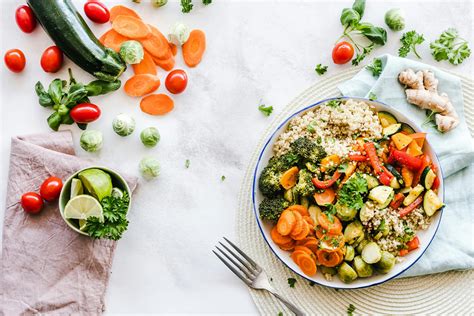
Batch cooking seasonal garden produce doesn’t have to be complicated. By focusing on simple, real food preparations and versatile recipes, you can transform your harvest into a week’s worth of delicious, healthy meals. This approach reduces food waste, saves time during busy weekdays, and keeps you connected to the vibrant flavors of your garden, all year long.