


Why won’t my homemade fruit jam set properly using real food methods?

The Frustration of Unset Jam: A Real Food Challenge
There’s nothing quite like the satisfaction of homemade fruit jam – the vibrant color, the fresh fruit flavor, and the pride of preserving nature’s bounty. However, for many who embrace ‘real food methods’ – often meaning less reliance on commercial pectin and more on the fruit’s natural properties – the dreaded unset jam can be a source of significant frustration. You’ve followed a recipe, simmered patiently, and yet your jam ends up more like a syrup or a thick sauce. Why does this happen, and what can you do about it?
Understanding the science behind jam setting, especially when working with natural ingredients, is crucial. It’s a delicate balance of pectin, sugar, and acid, all interacting under the right cooking conditions. Let’s delve into the common culprits and how to master the art of the perfect natural set.
Understanding Pectin: The Natural Gelling Agent
Pectin is a naturally occurring soluble fiber found in fruits, and it’s the primary component responsible for giving jam its gel-like structure. The amount of pectin varies significantly between different fruits and even with the ripeness of the fruit.
- High-Pectin Fruits: Apples, cranberries, citrus peels (especially lemons and limes), quinces, and sour berries like currants and unripe blackberries are naturally rich in pectin. These fruits often require less added pectin (or none at all) to set well.
- Low-Pectin Fruits: Strawberries, peaches, cherries, and most tree fruits when fully ripe, are relatively low in pectin. Making jam with these often requires careful technique, sometimes incorporating a high-pectin fruit, or a small amount of added natural pectin (like apple pectin or citrus peel).
- Ripeness Matters: As fruit ripens, its pectin content decreases. Slightly under-ripe fruit (not green, but firm) actually has more pectin than fully ripe or overripe fruit. This is why many recipes suggest using a mix of ripe and slightly under-ripe fruit.
The Critical Role of Sugar
Sugar does more than just sweeten your jam; it plays a vital role in its ability to set. Pectin molecules need sugar to form a stable gel. Without enough sugar, the pectin won’t properly cross-link and create the desired structure.
When using real food methods, many aim for lower sugar content. While admirable for health reasons, drastically reducing sugar below traditional ratios (often 1:1 fruit to sugar) can hinder the jam’s ability to set. Sugar also helps preserve the jam and enhance its flavor and color.
Acidity Matters for a Proper Set
Acidity is the third leg of the jam-setting tripod, working in conjunction with pectin and sugar. Acid helps to extract pectin from the fruit and facilitates the formation of the pectin gel. Fruits that are naturally low in acid (like sweet cherries or peaches) may struggle to set without an added acid boost.
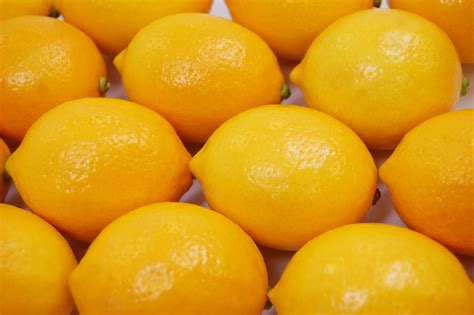
The most common and natural way to add acidity is through lemon juice. Adding a tablespoon or two of freshly squeezed lemon juice per pound of fruit can make a significant difference to the final set of your jam without compromising flavor. For recipes using high-pectin fruits, you might not need as much extra acid.
Cooking Time and Temperature are Key
Achieving the right cooking temperature and duration is paramount for a proper set. The goal is to boil the jam rapidly and consistently to evaporate excess water, concentrate the sugars, and activate the pectin. The ‘setting point’ for jam is typically reached when the mixture reaches a temperature of 220°F (104°C) at sea level. This temperature indicates that enough water has evaporated and the sugar concentration is high enough for the pectin to gel.
- Rapid Boil: Don’t just simmer; a rolling, vigorous boil is necessary to achieve the setting point efficiently.
- Undercooking: If you don’t cook the jam long enough, too much water remains, preventing the pectin from forming a firm gel.
- Overcooking: Conversely, overcooking can break down the pectin, resulting in a tough or gummy jam, or one that never sets properly.
Testing for a Perfect Jam Set
While a thermometer can be useful, traditional ‘real food’ methods often rely on visual and physical cues to test for a set. The most reliable method is the ‘cold plate test’:
- Place a small plate or saucer in the freezer before you start cooking your jam.
- When you suspect the jam is ready (usually after about 10-15 minutes of vigorous boiling, or when it reaches 220°F/104°C), remove the plate from the freezer.
- Spoon a small amount of hot jam onto the cold plate.
- Return the plate to the freezer for 1-2 minutes, or let it sit on the counter for 3-5 minutes.
- Push the jam with your finger. If it wrinkles and holds its shape, it’s ready. If it’s still runny, continue cooking for a few more minutes and repeat the test.

Troubleshooting and Solutions for Unset Jam
So, your jam didn’t set. Don’t despair! You have a few options:
- Re-cooking: If you’re certain the issue was undercooking, you can carefully re-cook the jam. Bring it back to a rolling boil, adding a little extra lemon juice if you suspect acidity was an issue. Re-test for a set. Be cautious not to overcook it this time.
- Add Pectin: If using minimal or no commercial pectin was your goal, you could still add a small amount of apple pectin or make a high-pectin fruit purée to stir in and re-cook.
- Embrace Softer Jams: Sometimes, a soft-set jam is just as delicious. Call it a fruit sauce, compote, or spoonable preserve. It might not be spreadable on toast in thick layers, but it’s perfect for yogurt, ice cream, pancakes, or as a cake filling.
Patience and Practice Make Perfect Preserves
Making jam using real food methods is an art that comes with practice. Don’t be discouraged by a few runny batches. Each attempt teaches you more about the specific fruit you’re working with, the nuances of your stove, and the delicate balance of ingredients. With a little understanding of pectin, sugar, acid, and proper cooking techniques, you’ll soon be enjoying beautifully set, naturally delicious homemade fruit jams.