



How to involve kids in garden-to-table meal prep?
Cultivating Curiosity: Getting Kids Involved in Garden-to-Table Meals
In a world increasingly disconnected from food sources, involving children in the journey from garden to table offers invaluable lessons. It’s more than just growing vegetables; it’s about nurturing responsibility, teaching about nutrition, and building lasting family memories. Turning meal prep into an adventure that starts in the soil and ends on the plate can transform picky eaters into enthusiastic food explorers. Here’s how to make it a fun and educational experience for the whole family.
The Garden: Where the Magic Begins
The first step is to get those little hands dirty! Even a small container garden on a balcony can be a fantastic starting point. Let kids choose what they want to grow – cherry tomatoes, snap peas, radishes, or herbs are all great for quick results and easy harvesting. Involve them in every stage: planting seeds, watering daily, and observing the plants grow. This direct interaction helps them understand where food comes from and fosters a sense of ownership.

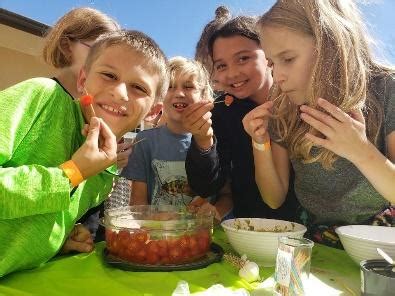
When harvest time comes, it’s a moment of triumph. Let them pick the ripe produce, gently placing it into a basket. This is often the most exciting part for children, as they get to see the tangible reward of their efforts. Talk about the colors, textures, and smells of the fresh bounty.
From Harvest to Kitchen: First Steps in Prep
Once the harvest is in, move the operation indoors. The kitchen becomes an extension of the garden. Simple tasks can be assigned even to very young children:
- Washing: Teach them to gently rinse vegetables and fruits under cool water. This is a sensory activity they often enjoy.
- Sorting: Ask them to separate produce by color, size, or type. This builds foundational classification skills.
- Tearing: For leafy greens like lettuce or spinach, tearing leaves by hand is safe and satisfying.

Age-Appropriate Kitchen Tasks
Tailor tasks to your child’s age and skill level, always prioritizing safety and supervision.
Toddlers (1-3 years old):
- Stirring ingredients in a bowl.
- Washing fruits and vegetables.
- Tearing lettuce or herbs.
- Adding pre-measured ingredients to a bowl.
Young Children (4-7 years old):
- Measuring dry and liquid ingredients.
- Using child-safe knives for soft vegetables (like cucumbers or bananas) under strict supervision.
- Peeling vegetables with a peeler (e.g., carrots, potatoes) with guidance.
- Kneading dough or mixing batters.
Older Children (8+ years old):
- Following simple recipes from start to finish.
- Chopping vegetables with adult knives (with proper training and supervision).
- Operating kitchen appliances (blenders, mixers) safely.
- Taking responsibility for parts of a meal, like preparing a salad or a side dish.

Cooking Together: Building Skills and Memories
Cooking is a fantastic life skill. Encourage kids to experiment with flavors from their garden produce. Make it a collaborative effort: choose a recipe together that highlights your freshly harvested ingredients. Talk them through each step, explaining why certain actions are taken. This builds their understanding of cooking processes and fosters problem-solving skills.
Focus on making it fun, not perfect. A little mess is part of the learning process. Celebrate their contributions, no matter how small. The joy of creating a meal together, from the very beginning, is a powerful bonding experience.
The Family Meal: Enjoying the Fruits of Labor
The grand finale is sitting down to eat the meal you’ve prepared together. Encourage kids to talk about their favorite part of the process, from planting to plating. They’ll be much more likely to try and enjoy foods they’ve had a hand in growing and preparing. This is a prime opportunity to discuss the nutritional benefits of the meal and reinforce healthy eating habits.

Benefits Beyond the Plate
Involving kids in garden-to-table meal prep offers a wealth of benefits:
- Healthy Eating: Encourages trying new vegetables and fruits.
- Life Skills: Teaches cooking, gardening, responsibility, and patience.
- Appreciation for Food: Reduces food waste and fosters gratitude for what they eat.
- Family Bonding: Creates quality time and shared experiences.
- Educational: Introduces concepts of botany, nutrition, and environmental awareness.

Starting a garden-to-table journey with your kids is a rewarding endeavor that extends far beyond just meal prep. It’s about cultivating healthy habits, vital life skills, and a deeper connection to nature and family. So, grab your trowels and aprons, and embark on this delicious adventure together!