



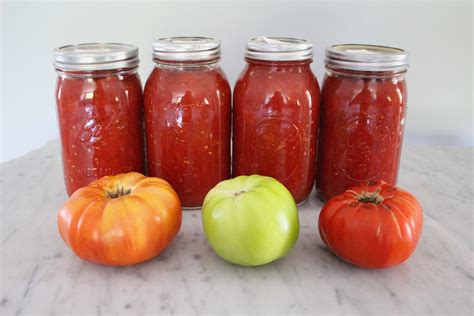
How to involve kids in garden chores & enjoy the harvest?
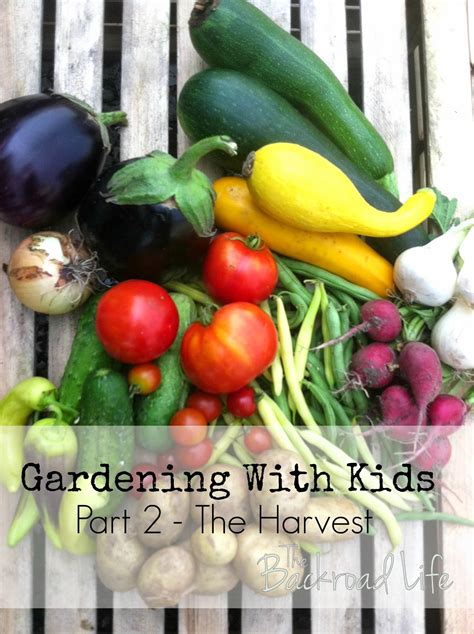
Gardening offers a unique blend of physical activity, scientific exploration, and the immense satisfaction of growing your own food. While it might seem like just another chore, involving children in the garden can transform it into a classroom, a playground, and a source of cherished family memories. By making the process fun and age-appropriate, you can cultivate not just plants, but also responsibility, patience, and a deep appreciation for nature in your kids.

Making Gardening Fun for Little Hands
The key to successful kid-inclusive gardening is to make it an enjoyable experience, not a dreaded task. Start by giving them ownership. Designate a small patch of the garden as ‘their’ special spot where they can choose what to plant and care for. This personal connection makes them more invested in the outcome.
Choose plants that are easy for kids to grow and offer quick rewards. Radishes, cherry tomatoes, sunflowers, beans, and strawberries are all excellent choices. Their rapid growth and delicious yield keep children engaged and excited about their efforts. Provide them with kid-sized tools – real ones, not toys – that are sturdy and safe, allowing them to feel like competent little gardeners.
Age-Appropriate Garden Tasks
Tailoring tasks to a child’s age and developmental stage is crucial for fostering enthusiasm and preventing frustration. Even the youngest gardeners can contribute meaningfully.
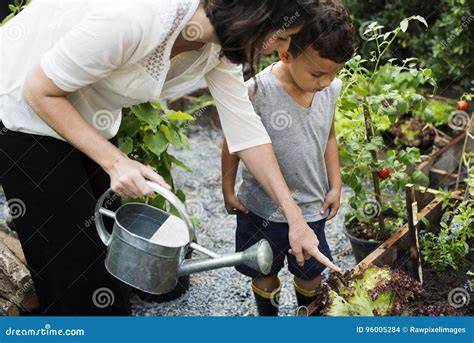
- Toddlers & Preschoolers (2-5 years): They love to water plants (with a small, child-friendly watering can), plant large seeds like beans or pumpkins, and help ‘dig’ in soft soil. Supervised harvesting of ripe berries or snap peas is also a huge hit.
- Young Elementary (6-9 years): These kids can handle more responsibility. They can help with weeding (show them how to identify weeds first!), spreading mulch, raking leaves, and assisting with transplanting seedlings. Measuring seed spacing and watering are also good tasks for this age.
- Older Elementary & Tweens (10-12+ years): At this age, children can become more involved in the planning stages – researching plants, designing layouts, and understanding crop rotation. They can manage pest control using organic methods, assist with composting, and take on the regular care of specific garden beds.
Connecting with Nature and Learning
Beyond the practical skills, the garden is a rich environment for learning. It’s a living science laboratory where children can observe the life cycle of plants, understand basic botany, and learn about the interconnectedness of ecosystems, from bees pollinating flowers to earthworms enriching the soil.
Gardening teaches patience, as children learn that good things take time to grow. It instills responsibility as they care for living things. It also offers opportunities for problem-solving, like figuring out why a plant isn’t thriving or how to protect seedlings from hungry critters. These are invaluable life lessons learned through hands-on experience, far more engaging than any textbook.

Reaping the Delicious Rewards
The ultimate joy of gardening with kids comes during harvest time. Seeing the fruits (and vegetables!) of their labor brings immense pride and a sense of accomplishment. This is the perfect opportunity to complete the cycle: from seed to plate.
Involve them in preparing the harvest. Wash the vegetables together, shell the peas, or hull the strawberries. Then, turn your bounty into a delicious family meal. Kids are often more willing to try new foods if they’ve had a hand in growing them. Celebrate their contributions by letting them choose a dish to make with their homegrown produce, or by sharing the excess with neighbors, teaching them about generosity and community.

Involving children in garden chores is more than just getting an extra pair of hands; it’s an investment in their development and a fantastic way to bond as a family. The dirt under their fingernails will wash away, but the lessons learned and the memories made will last a lifetime, fostering a lifelong appreciation for nature, healthy eating, and the satisfaction of hard work.