



What natural deer deterrents effectively protect a home garden?

Reclaiming Your Garden from Hungry Deer
For many country living enthusiasts, the joy of a flourishing home garden is often tempered by the persistent challenge of deer. These graceful creatures can decimate months of hard work in a single night. While chemical repellents exist, many gardeners prefer natural, humane, and environmentally friendly methods to protect their precious plants. The good news is, with a bit of understanding and persistence, you can create a deer-resistant oasis.
Understanding Deer Behavior and Preferences
Before implementing deterrents, it helps to understand why deer visit your garden. They are drawn to tender shoots, leafy greens, fruits, and certain flowers, especially when their natural food sources are scarce. Deer are creatures of habit, often following established pathways, and can quickly learn where to find an easy meal. Effective deterrence usually involves disrupting these habits and making your garden less appealing.
Physical Barriers: The First Line of Defense
The most straightforward way to keep deer out is to physically block their access. While it might seem daunting, even simple barriers can be highly effective.
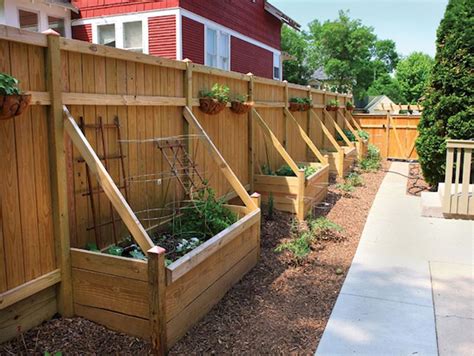
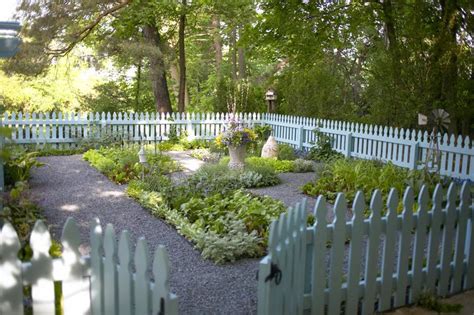
- Fencing: A tall fence is the most reliable method. Deer can jump surprisingly high, so an 8-foot fence is generally recommended for complete exclusion. However, even a 4-5 foot fence can deter them if it’s angled outwards or consists of two parallel fences spaced about 3-4 feet apart, confusing their jumping ability. Material can range from woven wire to electric fencing for persistent problems.
- Netting and Covers: For individual plants or smaller garden beds, lightweight netting (like bird netting) draped over stakes or hoops can protect vulnerable plants during their tender growth stages. Row covers offer similar protection while also helping with pest control.
Scent and Taste Deterrents: Appealing to Their Senses
Deer have a highly developed sense of smell and taste. You can exploit this with various natural deterrents that they find unpleasant.
Strong Scents They Dislike:
- Irish Spring Soap: Shave bars of Irish Spring soap into flakes and place them in mesh bags or old stockings tied to stakes around your garden. The strong scent is thought to repel deer.
- Human Hair/Pet Hair: Gather hair from brushes and place it in small mesh bags near plants. The human scent can signal danger to deer.
- Predator Urine: Products containing coyote or fox urine can be purchased and sprayed around the garden perimeter, signaling the presence of a predator.
- Garlic and Onions: Planting these strong-smelling bulbs around the garden, or even creating a spray from crushed garlic and water, can deter deer.
Taste Aversion Tactics:
- Rotten Egg Spray: Mix a dozen rotten eggs with water in a blender, strain, and spray on plants. The sulfurous smell is repugnant to deer. Reapply after rain.
- Hot Pepper Spray: Capsaicin, the compound that makes peppers hot, is a powerful irritant. A spray made from cayenne pepper, water, and a touch of dish soap can deter deer when applied directly to foliage.

Companion Planting: Nature’s Own Guards
Strategic planting can make your garden less attractive to deer. While no plant is 100% deer-proof, some are significantly less appealing.
- Deer-Resistant Plants: Incorporate plants that deer typically avoid due to strong scents, bitter tastes, or fuzzy/thorny textures. Examples include lavender, marigolds, rosemary, mint, sage, dill, cosmos, snapdragons, and most ornamental grasses.
- Strategic Placement: Plant these deer-resistant varieties around the perimeter of your garden or intersperse them among your more vulnerable plants. This can create a scented barrier that makes deer less likely to browse.

Habitat Modification and Other Strategies
Beyond direct deterrents, modifying your garden environment can also play a role.
- Remove Attractants: Don’t leave fallen fruit on the ground, as it’s a major draw. Harvest produce promptly.
- Motion-Activated Sprinklers: These devices detect movement and spray a burst of water, startling deer and teaching them to avoid the area. They are most effective when rotated to different locations.
- Visual Deterrents: While less reliable alone, shiny objects like old CDs or aluminum pie plates hung in trees can sometimes startle deer with movement and reflections.
Tips for Success and Persistence
No single deterrent is foolproof, especially with highly motivated deer. The key to long-term success often lies in combining multiple methods and regularly changing your tactics.
- Rotate Deterrents: Deer can become accustomed to static deterrents. Change up your sprays, scents, and visual aids periodically.
- Apply Regularly: Scent and taste deterrents need frequent reapplication, especially after rain or heavy dew, to remain effective.
- Start Early: Implement deterrents before deer establish a feeding pattern in your garden.
- Combine Methods: Use a physical barrier with a scent deterrent, or companion planting with a motion-activated sprinkler. A multi-pronged approach is always best.
Cultivating a Deer-Resistant Garden
Protecting your home garden from deer is an ongoing process that requires patience and observation. By understanding deer habits and employing a combination of physical barriers, sensory deterrents, and strategic planting, you can significantly reduce damage and enjoy the fruits (and vegetables) of your labor. Embrace these natural methods, and you’ll find a peaceful coexistence with local wildlife, ensuring your garden remains a sanctuary for you, not just for deer.