



Easy, traditional ways to preserve abundant garden tomatoes?

When your garden yields a glorious overflow of ripe, juicy tomatoes, the question quickly turns from ‘how do I use them all now?’ to ‘how do I make this deliciousness last?’. Thankfully, our ancestors mastered many traditional techniques for preserving these versatile fruits, and many of them are surprisingly easy for today’s home gardener.

The Enduring Art of Canning Tomatoes
Canning is perhaps the most iconic method for long-term tomato preservation. It allows you to store whole, diced, crushed, or pureed tomatoes in jars for pantry stability that can last a year or more. While it might sound intimidating, the process for tomatoes, being high in acid, is relatively straightforward.
Water Bath Canning Whole or Diced Tomatoes
For whole or diced tomatoes, a simple water bath canner is often sufficient. You’ll need clean canning jars, lids, bands, and a large pot with a rack. Tomatoes are peeled (a quick blanch in boiling water and an ice bath helps immensely), cored, and packed into hot jars. A little lemon juice or citric acid is usually added for safety, then topped with boiling water or tomato juice. After sealing, the jars are processed in boiling water for a specified time to create a vacuum seal.
Freezing: The Easiest Preservation Method
If you’re looking for the absolute simplest way to preserve tomatoes with minimal fuss, freezing is your best friend. It requires no special equipment beyond freezer-safe bags or containers and retains much of the fresh flavor.

Whole or Halved Tomatoes for Sauces
You can literally wash and freeze whole tomatoes! Place them on a baking sheet to freeze individually, then transfer them to freezer bags. When you’re ready to use them, just run them under warm water and the skins will slip right off. They are perfect for making sauces, soups, or stews, as their texture will soften significantly upon thawing.
Tomato Puree or Sauce
For an even quicker meal prep later, cook down your tomatoes into a basic puree or sauce before freezing. Simply chop, simmer until soft, then optionally strain out seeds and skins. Freeze in portions suitable for your family’s meals, making future weeknight dinners a breeze.
Drying: Concentrating Flavor
Drying tomatoes concentrates their sugars and flavors, creating intensely delicious morsels perfect for salads, pasta, or snacking. This can be done in a dehydrator, a low oven, or even in the sun if you have the right climate.

Dehydrator or Oven Drying
Slice tomatoes about 1/4 inch thick. For oven drying, arrange them on parchment-lined baking sheets and bake at the lowest temperature (around 150-200°F or 65-95°C) for several hours, until leathery but still pliable. In a dehydrator, follow the manufacturer’s instructions. Once dried, store them in airtight containers, or pack them in olive oil with herbs for a classic treat.
Making and Preserving Tomato Sauce & Paste
Transforming your fresh tomatoes into ready-to-use sauce or paste is a fantastic way to capture their essence. This is a labor of love that pays off immensely when you reach for a jar of homemade goodness in the middle of winter.

Batch Cooking and Canning/Freezing Sauce
Cook down large batches of tomatoes with herbs and seasonings to create your signature sauce. Once cooked, the sauce can be either canned using a water bath method (if sufficiently acidic, adding lemon juice if needed) or frozen in containers. For paste, continue to cook the sauce down until it reaches a very thick consistency, then freeze it in small portions, perhaps in ice cube trays for easy measurement.
Fermentation: Pickled Green Tomatoes
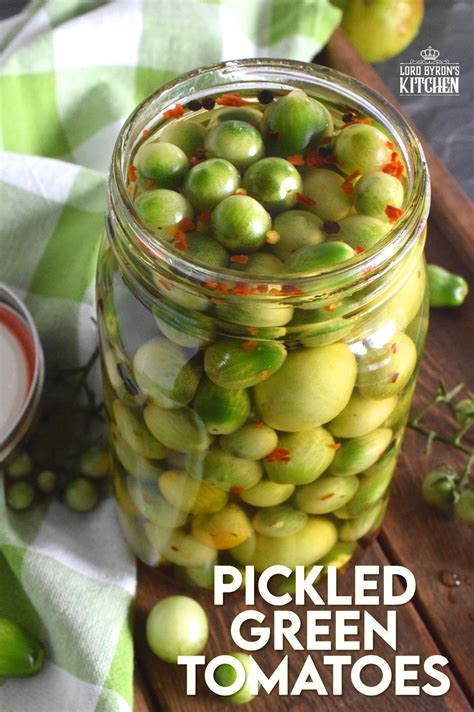
Don’t let those end-of-season green tomatoes go to waste! Fermenting them into pickles is a time-honored tradition that offers a tangy, crunchy treat.
Simple Brine Fermentation
Slice green tomatoes and pack them into a clean jar. Cover with a brine solution (salt and water) and optionally add garlic, dill, or other spices. Seal with an airlock lid or burp daily, allowing them to ferment at room temperature for several days to a week. Once fermented to your liking, store them in the refrigerator to slow the process. They make a fantastic addition to sandwiches or charcuterie boards.
Preserving your tomato harvest doesn’t have to be complicated. By employing these traditional and easy methods, you can savor the vibrant taste of summer-fresh tomatoes throughout the year, bringing a piece of your garden’s bounty to every meal.