



How to naturally prevent common chicken coop odors for healthier flock?
Understanding the Impact of Coop Odors
A fresh-smelling chicken coop isn’t just about human comfort; it’s a critical component of maintaining a healthy and thriving flock. Common coop odors, primarily ammonia from decomposing droppings, can lead to respiratory issues, eye irritation, and a weakened immune system in chickens. Prolonged exposure to high ammonia levels can significantly reduce egg production, overall vitality, and even shorten a chicken’s lifespan. Fortunately, many natural and sustainable practices can effectively mitigate these smells, transforming your coop into a pleasant and hygienic home for your birds.
The Root Causes of Common Coop Odors
Before diving into solutions, it’s helpful to understand what causes these unwelcome smells. The primary culprits are typically:
- Ammonia Buildup: Chicken droppings, especially when wet and decomposing, release ammonia gas. This is particularly prevalent in poorly ventilated coops.
- Excess Moisture: Damp bedding, spilled water, and leaky roofs create an ideal environment for bacteria to flourish, accelerating the decomposition process and intensifying odors.
- Lack of Ventilation: Without proper airflow, stale air, moisture, and gases like ammonia become trapped inside the coop, concentrating odors.
- Accumulated Waste: Infrequent cleaning allows droppings, spilled feed, and other organic matter to pile up and decompose, leading to strong smells.

Essential Natural Odor Prevention Strategies
1. Implement the Deep Litter Method
The deep litter method is a cornerstone of natural odor control and flock health. It involves building up a thick layer (4-6 inches) of carbon-rich bedding materials like pine shavings, straw, or leaves on the coop floor. The key is to turn and aerate this litter regularly (daily or every few days) to encourage beneficial microbes to break down droppings. These microbes convert nitrogen (from droppings) and carbon (from bedding) into compost, which produces minimal odor and even generates a little heat in winter. When managed correctly, deep litter can last for months, if not a year, before needing a full clean-out.
2. Ensure Ample Ventilation
Good airflow is paramount to preventing ammonia buildup and controlling moisture. Coops need consistent air circulation without creating drafts directly on the chickens. Install vents near the roofline (allowing hot, stale air to escape) and lower vents or windows (allowing fresh air to enter). Open windows and doors during the day when weather permits. The goal is to facilitate air exchange to carry away moisture and gases, keeping the air inside fresh.

3. Master Moisture Control
Dampness is odor’s best friend. To combat it:
- Spill-Proof Waterers: Use nipple waterers or elevated bell waterers that minimize spills.
- Elevated Feeders: Keep feeders off the ground to prevent feed from mixing with wet bedding.
- Good Drainage: Ensure the ground around the coop slopes away from the structure to prevent water from seeping in.
- Roof Maintenance: Regularly check for leaks and repair them promptly.
4. Regular Cleaning and Waste Management
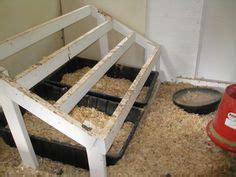
While the deep litter method reduces the frequency of full clean-outs, daily spot cleaning remains important. Remove particularly wet spots or clumps of droppings. Consider installing a droppings board under roosts; this concentrates most of the night’s waste into one easily accessible area for daily scraping, preventing it from mixing with the main bedding. This collected waste can then be added to a compost pile, where it will further decompose into nutrient-rich fertilizer.
5. Utilize Natural Deodorizers
Several natural substances can help absorb odors and moisture:
- Diatomaceous Earth (DE): Food-grade DE can be lightly sprinkled on coop floors and litter. It helps absorb moisture and also acts as a natural pest deterrent.
- Wood Ash: A thin layer of wood ash (from untreated wood) can be added to the litter. It helps absorb odors and adds beneficial minerals.
- Beneficial Microbes: Commercial products containing beneficial microbes can be added to the litter to help break down organic matter and suppress odor-causing bacteria.
- Herbs: Hanging bundles of fresh or dried herbs like mint, lavender, or rosemary can provide a pleasant aroma, though their odor-neutralizing power is limited.

6. Focus on Flock Health and Diet
A healthy chicken with a good digestive system produces less offensive waste. Ensure your flock has access to a high-quality, balanced diet. Probiotics can be added to their water or feed to support gut health, which can lead to firmer, less odorous droppings. Avoid overfeeding, as spilled or uneaten feed can decompose and contribute to odors.
The Rewards of a Fresh Coop
Implementing these natural strategies not only eliminates unpleasant odors but also significantly contributes to a healthier, happier, and more productive flock. Chickens living in a clean, well-ventilated, and low-ammonia environment are less prone to respiratory illnesses, foot problems, and stress. They are more active, lay better quality eggs, and generally exhibit stronger vitality. For the backyard farmer, a fresh coop makes chores more enjoyable and fosters a deeper connection with their birds.

Conclusion
Preventing chicken coop odors naturally is an achievable goal through a combination of thoughtful design, consistent management, and the wise use of natural resources. By focusing on deep litter, robust ventilation, moisture control, and regular cleaning, you can create an environment that promotes optimal health for your flock and makes your country living experience all the more rewarding.