

Tips for cooking healthy meals in a rustic cabin kitchen?

Embrace the Rustic Charm with Wholesome Eats
The allure of a rustic cabin often lies in its simplicity and connection to nature. While the idea of escaping modern conveniences is appealing, cooking healthy meals in a kitchen that might lack advanced appliances or abundant counter space can present a unique challenge. Fear not! With a bit of planning and a creative approach, you can whip up nutritious and delicious meals that complement your wilderness retreat.
Pre-Trip Planning: Your Secret Ingredient
Success in a rustic kitchen starts long before you even arrive. Thoughtful planning can save you time, stress, and ensure you have the right ingredients for healthy eating.
- Meal Plan Meticulously: Before you pack, outline every meal. Focus on dishes that require minimal ingredients and cooking steps. One-pot meals, stir-fries, and grilled options are often ideal.
- Smart Shopping: Prioritize non-perishable whole foods like oats, quinoa, lentils, canned beans, and healthy oils. For perishables, choose robust vegetables (carrots, onions, potatoes, bell peppers) and lean proteins with good shelf life.
- Pre-Prep at Home: Chop vegetables, pre-measure spices, mix dry ingredients for pancakes, or even pre-cook grains like quinoa or rice. Store them in airtight containers for easy assembly at the cabin.
Stocking a Healthy Cabin Pantry
Even with limited space, a well-stocked pantry is key to healthy cabin cooking. Think versatile, nutrient-dense staples.
- Whole Grains & Legumes: Oats for breakfast, whole wheat pasta, brown rice, quinoa, and canned or dried lentils/beans provide fiber and protein.
- Healthy Fats: Olive oil, coconut oil, nuts, and seeds (almonds, walnuts, chia seeds) are essential for energy and flavor.
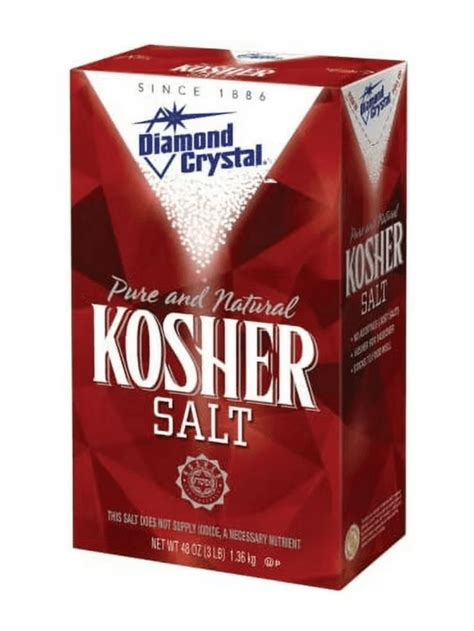
- Spices & Herbs: A small kit of essential spices (salt, pepper, garlic powder, onion powder, chili powder, dried herbs like oregano and thyme) can transform simple ingredients. Don’t forget a few fresh lemons or limes for brightness.
- Lean Proteins: Pack canned tuna/salmon, shelf-stable plant-based protein powders, eggs (if refrigeration allows), and perhaps some pre-marinated chicken or sturdy cuts of meat for grilling.
- Produce Power: Focus on hardy fruits and vegetables that travel well and don’t require immediate refrigeration, such as apples, oranges, sweet potatoes, onions, garlic, and cabbage.
Mastering Rustic Cooking Methods
Embrace the simplicity of your cabin kitchen by leveraging its inherent tools and environment. This often means returning to foundational cooking techniques.
One-Pot Wonders
A good cast-iron pot or Dutch oven is your best friend. Stews, soups, chili, and even pasta dishes can be made in a single pot, minimizing cleanup and maximizing flavor. These dishes are often packed with vegetables, lean protein, and whole grains, making them incredibly nutritious and satisfying after a day of outdoor activities.
Grilling & Campfire Cooking
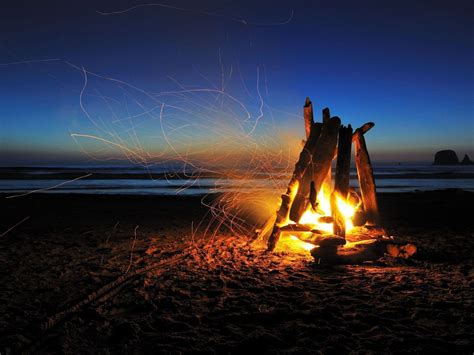
If your cabin has a grill or fire pit, utilize it! Grilling vegetables (bell peppers, zucchini, corn on the cob) and lean proteins (fish, chicken breasts, lean steaks) adds a wonderful smoky flavor without extra oils. Skewers are a fantastic way to combine protein and veggies for a balanced meal.
Minimalist Baking
Even without a fancy oven, you can bake. A Dutch oven over hot coals or a well-regulated cabin oven can produce wholesome corn bread, fruit crumbles, or roasted root vegetables. Opt for recipes with whole wheat flour and natural sweeteners.
Stay Hydrated and Snack Smart
When you’re active outdoors, hydration is crucial. Carry a reusable water bottle and replenish frequently. For snacks, skip the processed junk and pack nutritious options like fresh fruit, nuts, seeds, trail mix (homemade is best), and whole-grain crackers with nut butter.
Cleanup Made Easy
Part of healthy living is maintaining a clean environment. In a rustic cabin, this often means conserving water and being mindful of waste. Cook smart to minimize dirty dishes, and always clean as you go. Use biodegradable soap if you’re disposing of greywater outdoors, and pack out all your trash.

Embrace the Experience
Cooking in a rustic cabin isn’t just about nutrition; it’s part of the overall experience. Savor the process, enjoy the simple ingredients, and relish the meals shared with loved ones. With these tips, you can ensure your cabin getaway is as healthy and fulfilling as it is memorable.