




Natural weed management for large country plots without chemicals?

For many country dwellers, the allure of vast open spaces is often tempered by the daunting prospect of weed control. When the goal is to cultivate a thriving plot without the use of synthetic herbicides, the challenge amplifies, especially on a large scale. However, achieving chemical-free weed management on extensive land is not only possible but also deeply rewarding, contributing to a healthier ecosystem and more sustainable living.
Understanding Your Weeds and Soil
The first step in any effective weed management strategy is identification. Knowing your enemy – or rather, your competitor – allows you to understand its life cycle, growth habits, and weaknesses. Are they annuals that spread by seed, or perennials with deep root systems? Different weeds require different approaches. Equally crucial is understanding your soil. Healthy, balanced soil fosters strong desirable plants that can outcompete weeds. Conduct soil tests to determine pH, nutrient levels, and organic matter content. Improving soil health through organic amendments can significantly reduce weed pressure over time.
Preventative Strategies: Mulch and Cover Crops
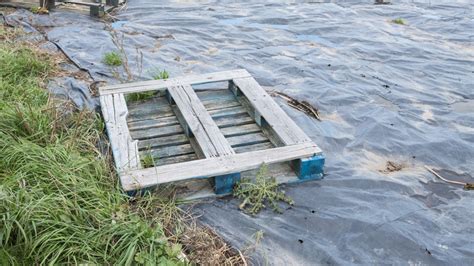
Prevention is undeniably the most effective form of weed control, particularly on large plots. One of the simplest and most widely applicable methods is mulching. A thick layer of organic mulch – such as wood chips, straw, leaves, or even cardboard – suppresses weed growth by blocking sunlight and inhibiting germination. For larger areas, consider sheet mulching with layers of cardboard topped with organic material. This also enriches the soil as it breaks down.
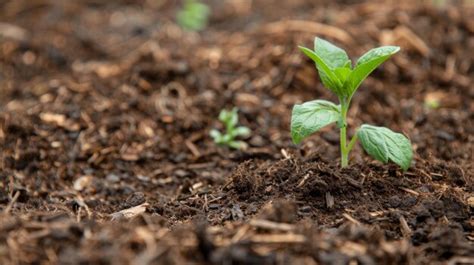
Another powerful preventative tool is the use of cover crops. Planting cover crops like clover, vetch, or buckwheat during off-seasons or in fallow areas can suppress weeds, prevent erosion, and add organic matter and nitrogen to the soil. When it’s time to plant your main crops, the cover crop can be tilled under or flattened to create a ‘chop-and-drop’ mulch layer.
Manual and Mechanical Methods
While large plots might seem overwhelming for manual methods, strategic implementation can make a significant difference. Regular, shallow hoeing is highly effective, especially when weeds are young. A sharp hoe can slice off seedlings just below the soil surface, preventing them from establishing deep roots. For rows, specialized wheel hoes can cover ground more quickly than traditional hand hoes.
For persistent weeds or smaller, high-value areas, hand-pulling remains an essential technique. Ensure you remove the entire root system to prevent regrowth. For perennial weeds with taproots, tools like dandelion diggers or weeding forks can be invaluable. For very large areas, consider the use of agricultural machinery equipped with specialized weeding attachments, designed to cultivate between rows without damaging crops.
Advanced Natural Techniques
Solarization and Flame Weeding
For areas heavily infested with weeds or harboring soil-borne pathogens, solarization can be a powerful, chemical-free solution. This involves covering a moistened plot with clear plastic sheeting for several weeks during the hottest part of the year. The sun’s heat gets trapped, effectively ‘baking’ weed seeds, seedlings, and pathogens. It’s a method that requires patience but can dramatically reduce weed pressure for an entire season.
Flame weeding, using a propane-fueled torch, is another effective tool for annual weeds and small seedlings, particularly on pathways or between rows of heat-tolerant crops. The goal isn’t to burn the weeds to a crisp, but rather to quickly wilt them, rupturing their cell walls. This method requires extreme caution and adherence to safety protocols to prevent fires.
Long-Term Strategies and Patience
Achieving a chemical-free, weed-managed plot is not a one-time fix but an ongoing commitment to ecological balance. Implement crop rotation to break weed cycles and maintain soil health. Encourage beneficial insects and wildlife that contribute to a healthy ecosystem. Over time, as your soil health improves and your desired plants establish strong root systems, they will naturally outcompete many weeds.
Embrace the philosophy that some weeds are inevitable and even beneficial. A diverse ecosystem often includes what we perceive as ‘weeds’ that might be host plants for beneficial insects or indicators of soil conditions. The goal isn’t necessarily a sterile landscape, but a balanced one where your desired plants thrive without overwhelming competition from aggressive weed species.

Conclusion
Managing weeds on large country plots without chemicals requires a thoughtful, integrated approach. By understanding your specific challenges, employing a combination of preventative measures like mulching and cover cropping, utilizing strategic manual and mechanical tools, and exploring advanced natural techniques, you can cultivate a productive and beautiful landscape. It’s a journey that demands patience and consistent effort, but the rewards – a healthy environment, resilient soil, and abundant harvests – are well worth the dedication.