



Tips for making tough country cuts of meat melt-in-your-mouth tender?

Embracing the Challenge of Tough Cuts
Country cuts of meat, often more economical and flavorful, present a unique challenge: their inherent toughness. While they might seem daunting, mastering a few key techniques can transform these fibrous cuts into incredibly tender, melt-in-your-mouth experiences. Don’t let a leaner price tag fool you into thinking less flavor or tenderness – with a little know-how, you can unlock their full potential.
The Power of Marinades and Brines
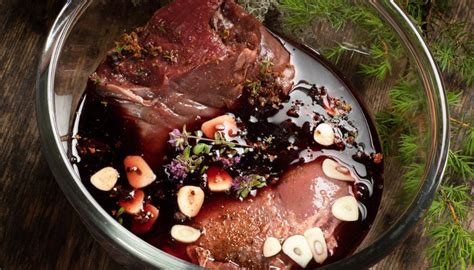
One of the most effective ways to break down tough muscle fibers is through marination. Acidic ingredients like vinegar, lemon juice, buttermilk, or wine, along with enzymes found in fruits like papaya or pineapple (use sparingly, as they can over-tenderize), help to denature proteins. For best results, marinate for several hours or even overnight in the refrigerator. Salt-based brines also help in tenderizing by allowing the meat to absorb moisture and loosen muscle fibers, resulting in a juicier, more tender end product.
Slow and Low: The Secret to Tenderness
Tough cuts like chuck roast, brisket, short ribs, or stewing beef thrive under slow, moist heat. This method gradually breaks down the collagen in the meat, turning it into gelatin, which adds incredible richness and a silky texture. Techniques include:
- Braising: Sear the meat, then simmer it gently in a flavorful liquid (broth, wine, tomatoes) in a covered pot on the stovetop or in the oven for several hours.
- Slow Cooking/Crock-Pot: This hands-off method is perfect for busy days. Simply add your meat, liquid, and aromatics, and let it cook on low for 6-8 hours or high for 3-4 hours until fork-tender.
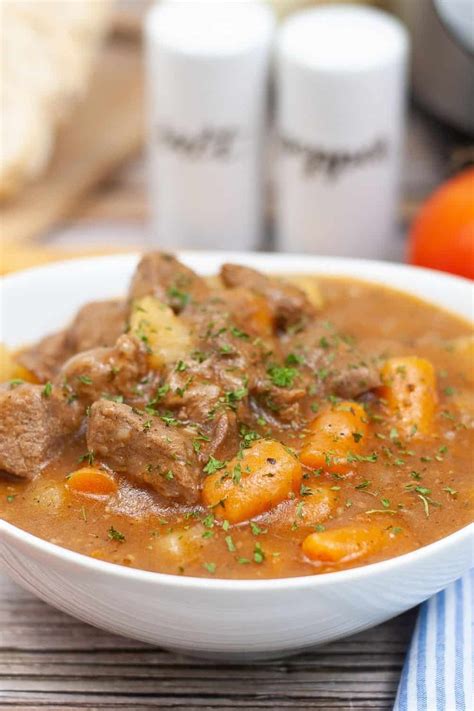
- Stewing: Similar to braising but often with smaller, uniformly cut pieces, stewing ensures every piece becomes incredibly tender within a rich sauce.

Mechanical Tenderization and Pounding
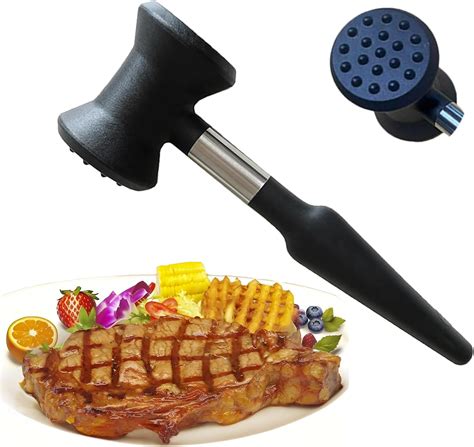
Sometimes, a little physical intervention is all that’s needed. Pounding meat with a mallet helps to break down tough connective tissues and muscle fibers. This is particularly useful for cuts like flank steak or skirt steak that you might want to cook more quickly. Covering the meat with plastic wrap before pounding keeps things neat and prevents tearing. For cuts like cube steak, the process is already done for you!
Proper Slicing and Resting
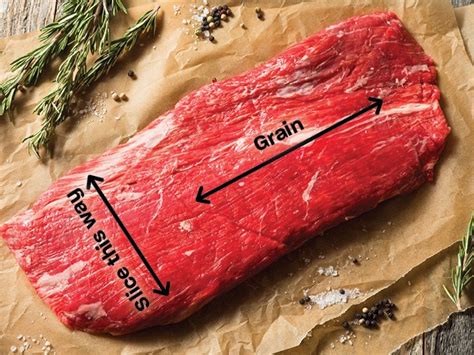
Even after tenderizing, how you slice the meat can significantly impact its perceived tenderness. Always slice against the grain. The grain refers to the direction in which the muscle fibers run. Slicing against them shortens these fibers, making each bite much easier to chew and more tender. Additionally, allowing meat to rest after cooking (especially roasted or grilled cuts) allows juices to redistribute, preventing dryness and contributing to overall tenderness.
Considering Pressure Cooking
For those short on time, a pressure cooker is a game-changer for tough cuts. The high-pressure environment drastically reduces cooking times while still achieving the same incredible tenderness as traditional slow cooking methods. It’s an excellent way to prepare dishes like pot roast, osso buco, or beef cheeks in a fraction of the time.
Patience is a Virtue
Ultimately, transforming tough country cuts into tender masterpieces often requires patience. These cuts are designed to be cooked slowly, allowing their connective tissues to break down and release their full flavor potential. Experiment with different marinades, cooking methods, and spices to discover your favorite ways to enjoy these often underappreciated, yet incredibly rewarding, cuts of meat.