


How to naturally amend heavy clay soil for a productive veggie garden?

Understanding the Challenge of Clay Soil
Heavy clay soil, characterized by its fine particles, can be a gardener’s bane and blessing. While it holds onto water and nutrients exceptionally well, its density can impede drainage, suffocate plant roots, and make cultivation a back-breaking task. Growing a productive vegetable garden in such conditions requires a strategic, patient approach focused on improving soil structure naturally.
The key to transforming clay lies not in fighting its nature, but in enhancing it by creating an environment where roots can flourish, water can drain effectively, and air can penetrate. This process primarily involves incorporating copious amounts of organic matter, which acts as a powerful agent for change.

The Cornerstone: Organic Matter
Organic matter is the miracle worker for heavy clay. It binds the fine clay particles into larger aggregates, creating pore spaces that improve aeration and drainage, while simultaneously enhancing water retention in sandy soils. For clay, it’s all about breaking up that tight structure.
Compost: The Black Gold
Homemade or store-bought compost is arguably the best amendment for clay soil. Rich in decomposed plant and animal material, it introduces beneficial microbes and a wealth of nutrients. When mixed into clay, compost creates a friable, crumbly texture that roots can easily penetrate.
Apply a generous layer of 2-4 inches of compost annually, especially in the fall or spring before planting. You can gently fork it into the top few inches of soil or adopt a ‘no-dig’ approach, allowing worms and natural processes to incorporate it over time.
Well-Rotten Manure
Similar to compost, well-aged manure (from cows, horses, chickens, or other herbivores) is an excellent source of organic matter and nutrients. Ensure the manure is fully decomposed (‘well-rotted’) to avoid burning plants with excessive nitrogen or introducing weed seeds. Fresh manure should be composted before use.
Leaf Mold and Other Plant Material
Shredded leaves, grass clippings (in moderation, ensure they are not treated with herbicides), and other finely chopped plant residues can also be incorporated. Leaf mold, created by composting leaves until they break down into a dark, crumbly material, is particularly good for improving soil structure and water retention.
Beyond Compost: Other Amending Strategies
Cover Crops
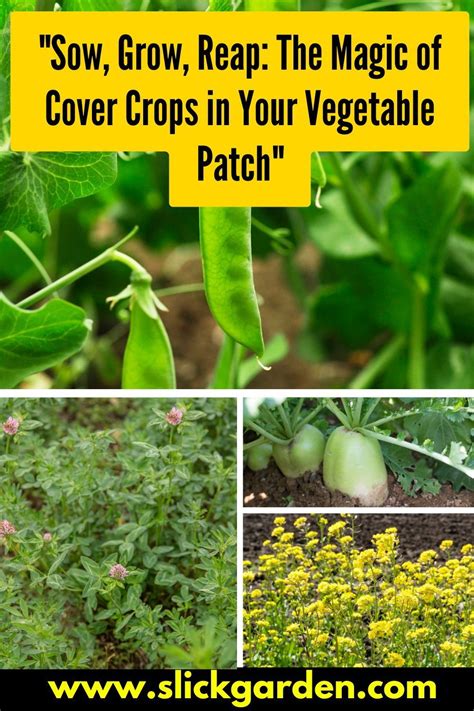
Planting cover crops during the off-season is a fantastic way to improve clay soil naturally. Crops like clover, vetch, rye, or buckwheat send roots deep into the soil, breaking up compaction. When tilled under or ‘chopped and dropped’ before they go to seed, they add a significant amount of organic matter to the soil surface, which then decomposes and enriches the soil structure.
Gypsum (Use with Care)
While often recommended for clay, gypsum (calcium sulfate) is not a universal solution. It works best on sodic (high sodium) clay soils by helping to flocculate clay particles. For many heavy clay soils that aren’t sodic, its benefits are minimal. A soil test is highly recommended before considering gypsum, as excessive use can sometimes leach other beneficial nutrients. Focus on organic matter first.
Cultivation Techniques for Clay Soil
The No-Dig Approach
Minimizing disturbance to clay soil is crucial. Over-tilling can destroy the fragile soil structure you’re trying to build. A ‘no-dig’ method, where you layer organic matter on top of the soil and let nature do the work, is highly effective for clay. It encourages earthworms and microbial activity, which naturally create channels for air and water.
Raised Beds
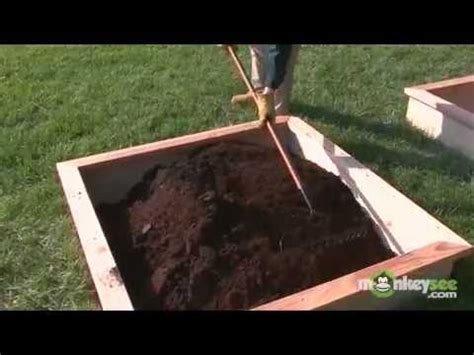
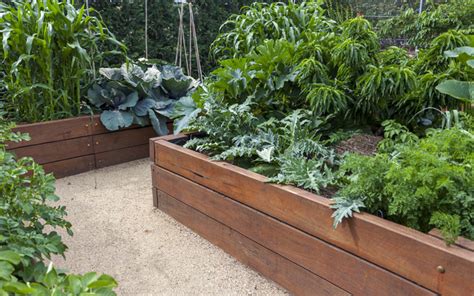
If your clay soil is exceptionally stubborn or drainage is a severe issue, constructing raised beds can be an excellent solution. Fill raised beds with a custom mix of good quality topsoil, compost, and other organic amendments. This bypasses the immediate challenge of the native clay while still allowing you to slowly amend the underlying soil over time.
Proper Drainage and Watering
Because clay retains water, it’s easy to overwater. Water deeply but less frequently, allowing the topsoil to dry slightly between waterings. Consider slightly mounding your garden beds to further aid surface drainage. Avoid working the soil when it’s wet, as this can destroy structure and lead to further compaction.
Long-Term Maintenance for Thriving Gardens
Amending heavy clay soil is not a one-time fix but an ongoing process. Continue to add organic matter annually, protect your soil with mulches, and observe how your plants respond. Over time, your heavy clay will transform into a rich, productive soil that supports a vibrant and healthy vegetable garden.

With patience and consistent application of these natural methods, your challenging clay will evolve into a fertile foundation, yielding abundant harvests for years to come.