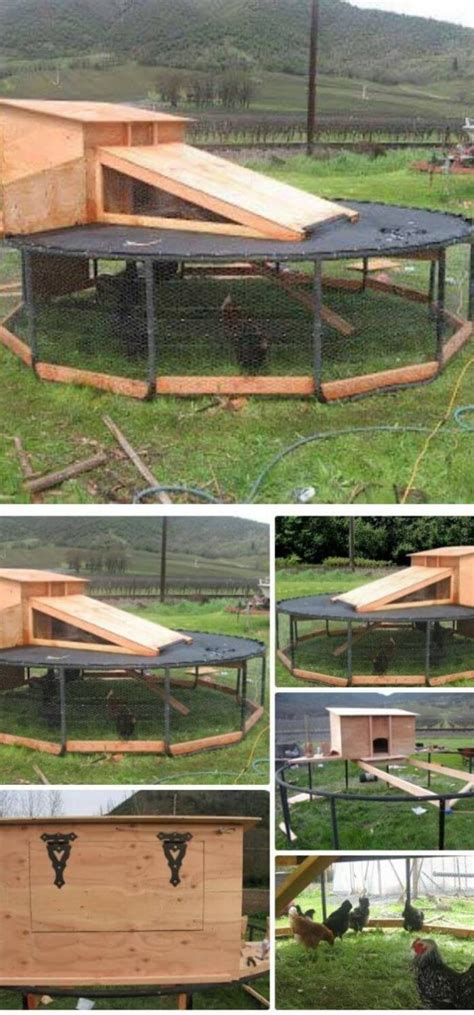





How to build a simple, predator-proof DIY chicken coop on a budget?

Bringing chickens into your backyard can be a rewarding experience, providing fresh eggs and charming companionship. However, a successful flock relies heavily on a safe, comfortable, and affordable home. Building your own chicken coop allows for customization, cost savings, and most importantly, the ability to integrate robust predator-proofing features from the ground up.
Why a DIY, Predator-Proof Coop is Essential
Many pre-built coops, especially at lower price points, often fall short on durability and predator resistance. Predators such as raccoons, foxes, coyotes, and even neighborhood dogs view chickens as an easy meal. A DIY approach empowers you to choose stronger materials and implement proven security measures without incurring significant labor costs. Plus, adapting a design to salvaged or recycled materials can drastically reduce your budget, making backyard chickens accessible to more enthusiasts.

Planning Your Budget-Friendly Fortress
The first step is thoughtful planning. Consider the number of chickens you’ll have (allow 2-4 square feet per bird inside the coop, and 8-10 square feet per bird in an attached run). Scout your yard for the best location – ideally a spot with good drainage, partial shade in summer, and protection from harsh winds in winter. Sketch out your design, keeping it simple to minimize material waste and construction complexity.
Budget Material Sourcing
- Wood: Look for free pallets, reclaimed fence boards, or salvaged lumber. Check local construction sites (with permission!), online marketplaces, or community groups.
- Roofing: Scrap metal sheeting, tarps, or shingles from a renovation can be very cost-effective.
- Hardware Cloth: This is non-negotiable for predator-proofing. While an initial expense, 1/2-inch galvanized hardware cloth is far superior to chicken wire for keeping predators out.
- Foundation: Concrete blocks, old tires, or treated lumber can elevate your coop, protecting against ground predators and moisture.

Essential Predator-Proofing Techniques
This is where your coop truly becomes a fortress. Skimping here will lead to heartbreak.
Hardware Cloth vs. Chicken Wire
Chicken wire only keeps chickens in, it does not keep predators out. Predators can chew through or push past it. Use 1/2-inch galvanized hardware cloth for all openings, windows, and the run. Secure it with heavy-duty staples or screws with washers.
The Buried Skirt/Apron
Digging predators like foxes and raccoons will try to tunnel under. Extend your hardware cloth at least 12-18 inches outwards from the base of the coop and run, then bury it. Alternatively, you can bury it straight down 12 inches. This creates a barrier they can’t easily dig under.
Secure Latches and Doors
Raccoons are notoriously clever. Use robust, raccoon-proof latches, preferably two per door, positioned high and low. Barrel bolts, slide locks with carabiners, or key-locking clasps are good options. Ensure all doors and windows fit snugly without gaps.
Solid Roof and Floor
A sturdy roof prevents aerial predators and stops raccoons from climbing in from above. A solid floor (wood, plywood, or even a concrete slab) prevents digging from within the coop itself, especially if it’s not elevated.

Step-by-Step Construction Guide (Simplified)
While specific designs vary, here’s a general approach:
- Foundation: Lay a level foundation using concrete blocks or treated lumber to elevate the coop.
- Frame: Build a sturdy wooden frame for the walls, roof, and floor using your chosen lumber.
- Walls and Roof: Enclose the frame with solid wood panels or recycled materials. Attach your roofing material securely.
- Hardware Cloth: Install hardware cloth over all windows and the entire run area, including the buried apron.
- Doors and Ramps: Construct entry/exit doors for chickens and a larger access door for you. Install a ramp for the chickens to get in and out.
- Interior Features: Build nesting boxes (1 box per 3-4 hens), roosting bars (at least 8-12 inches per bird), and ensure adequate ventilation near the roofline, also covered with hardware cloth.
- Final Touches: Seal any gaps with caulk or expanding foam, paint or treat the exterior wood for longevity.

Important Internal Features
- Nesting Boxes: Dark, quiet spaces roughly 12x12x12 inches, raised off the ground, provide comfort for laying hens.
- Roosting Bars: Chickens instinctively roost at night. Provide sturdy, smooth bars (1.5-2 inches wide, rounded edges) higher than the nesting boxes.
- Ventilation: Essential for air quality and temperature regulation. Vents near the top of the coop (covered with hardware cloth) allow hot, stale air to escape without creating drafts directly on the birds.
- Cleaning Access: Design your coop with easy access for cleaning – a removable floor, large hinged door, or pull-out droppings tray will make upkeep much simpler.
Ongoing Maintenance for Lasting Security
Even the best-built coop needs regular checks. Periodically inspect your hardware cloth for any signs of damage, especially after heavy weather. Check latches for rust or wear. Ensure all gaps remain sealed and make prompt repairs. Regular cleaning not only maintains hygiene but also allows you to spot potential weak points before a predator does.
Building a simple, predator-proof chicken coop on a budget is a fulfilling project that ensures the safety and well-being of your flock. With careful planning, smart material choices, and a focus on security, you can create a durable, economical home for your chickens that will bring you fresh eggs for years to come.