




What natural methods prevent common garden pests ruining homegrown vegetables organically?

Embracing Organic Pest Control for a Thriving Vegetable Garden
Cultivating your own vegetables is one of life’s most rewarding experiences, offering fresh, nutritious produce right outside your door. However, the joy of a flourishing garden can quickly turn to frustration when common pests decide to make your homegrown bounty their next meal. For those committed to organic principles, the challenge is to deter these uninvited guests without resorting to harsh chemicals that harm the environment, beneficial insects, or your family’s health. Fortunately, nature offers a plethora of ingenious methods to keep your organic vegetable patch healthy and pest-free.
The Foundation: Healthy Soil and Strong Plants
The first line of defense against pests is a healthy, vigorous plant. Plants grown in rich, well-draining soil with adequate nutrients are naturally more resistant to pest attacks. Amend your soil with compost, well-rotted manure, and other organic matter to foster a thriving soil microbiome. Proper watering, ensuring plants receive moisture at their roots without waterlogging, also contributes significantly to plant health. Stressed plants, whether from poor soil, over- or under-watering, or lack of sunlight, are more susceptible to pest infestations.
Strategic Planting: Companion Planting and Crop Rotation
One of the most effective natural pest control methods is understanding plant relationships. Companion planting involves placing specific plants near each other that offer mutual benefits, such as deterring pests or attracting beneficial insects. For example, marigolds are known to repel nematodes and other ground pests, while basil can help deter flies and mosquitoes, potentially protecting nearby tomatoes. Another crucial strategy is crop rotation. By changing the location of certain crops each season, you disrupt the life cycles of pests that specialize in a particular plant family, preventing them from building up large populations in one area.

Physical Barriers and Manual Interventions
Sometimes, the simplest solutions are the best. Physical barriers can prevent pests from reaching your plants altogether. Fine mesh row covers, for instance, can protect young seedlings from flying insects like cabbage worms, squash bugs, and cucumber beetles, while still allowing light and water to penetrate. For larger pests like deer or rabbits, fencing is an essential investment. On a smaller scale, don’t underestimate the power of hand-picking. Regularly inspecting your plants and removing visible pests like slugs, snails, tomato hornworms, or aphids can significantly reduce their numbers. Simple traps, such as shallow dishes of beer for slugs and snails, or yellow sticky traps for whiteflies and aphids, can also be highly effective.

Welcoming Beneficial Insects
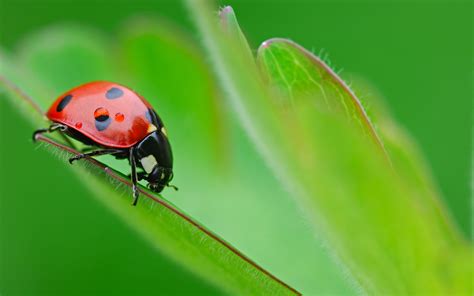
Nature provides its own pest control experts in the form of beneficial insects. Ladybugs feast on aphids, lacewings consume a variety of soft-bodied pests, and predatory wasps parasitize caterpillars. To invite these garden allies, incorporate a diversity of flowering plants into your garden, especially those with small flowers like dill, fennel, cilantro, and cosmos. Providing a water source and avoiding broad-spectrum pesticides will also encourage beneficial insect populations to thrive and do the work for you.
Homemade Remedies and Organic Sprays
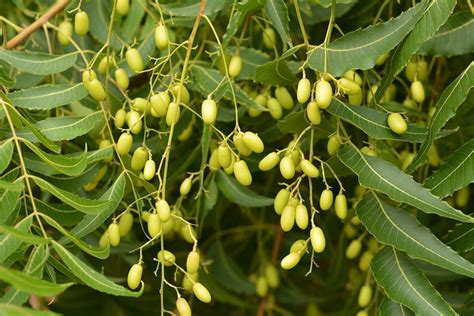
For more persistent pest problems, several organic sprays can be safely employed. Neem oil, derived from the neem tree, acts as a repellent, an anti-feedant, and disrupts insect growth, effectively managing a wide range of pests without harming beneficial insects or animals. A simple solution of insecticidal soap (diluted castile soap or a commercial organic variant) can smother soft-bodied insects like aphids and spider mites. Homemade concoctions using garlic, chili peppers, or strong herbal teas can also act as natural repellents when sprayed directly onto plant foliage.
Maintaining Garden Hygiene
A tidy garden is a healthy garden. Regular weeding eliminates hiding spots and alternative food sources for pests. Removing diseased or infested plant debris promptly prevents the spread of pests and diseases. Proper spacing between plants ensures good air circulation, reducing humidity that can encourage fungal issues and making it harder for pests to jump from plant to plant. Mulching can suppress weeds and regulate soil temperature, further contributing to a resilient garden ecosystem.
Cultivating a Resilient Organic Garden
Preventing garden pests organically is an ongoing process that involves observation, understanding nature’s intricate balance, and consistent effort. By fostering healthy soil, practicing smart planting techniques, employing physical barriers, encouraging beneficial insects, and utilizing targeted organic remedies, you can cultivate a vibrant vegetable garden that not only yields abundant, chemical-free produce but also contributes to a healthier, more diverse ecosystem right in your backyard. Embrace these natural methods, and enjoy the true taste of homegrown success.