



Adapting heirloom recipes for today’s homegrown produce: any tips?
There’s a unique satisfaction in preparing a dish passed down through generations, especially when it features ingredients you’ve nurtured from seed to harvest. Bridging the gap between time-honored techniques and the bounty of your modern garden can be a delightful culinary adventure. But how do you successfully adapt those cherished heirloom recipes to showcase today’s homegrown produce without losing their authentic charm?
Understanding Your Heirloom Blueprint
Before you dive into substitutions, take a moment to truly understand the original recipe. What was its purpose? What were the star ingredients and their roles? For instance, an heirloom tomato sauce likely relies on the intense flavor of specific open-pollinated tomatoes. If your garden yields a different variety, you’ll need to account for potential differences in sweetness, acidity, or water content.

Know Your Homegrown Bounty
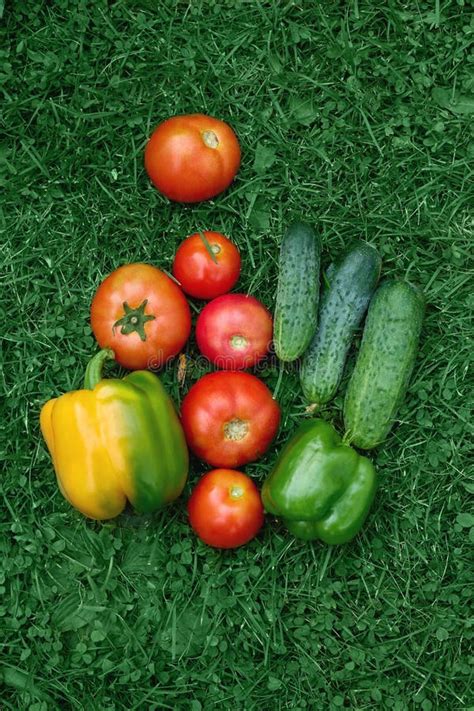
Every vegetable and fruit from your garden has its own unique characteristics. A freshly picked, ripe cucumber will have a much higher water content and crisper texture than a store-bought one. Similarly, a homegrown zucchini might be smaller and more tender than what your great-grandmother’s recipe anticipated. Taste your produce raw to understand its nuances. Is it sweeter, more acidic, or milder than the variety commonly available today or historically used?
Embracing Smart Substitutions
This is where the art of adaptation truly shines. If an heirloom recipe calls for a specific type of bean that you don’t grow, consider a close relative from your garden. For example, fresh shell beans can often substitute for dried beans in certain dishes, requiring adjusted cooking times. Don’t be afraid to swap out a less common heirloom variety for a modern one with a similar flavor profile and texture. The goal is to honor the spirit of the dish, not necessarily its exact historical ingredient list.
Adjusting Quantities and Cooking Times
Modern produce often differs in size, density, and moisture content from its historical counterparts or even from commercially grown varieties. This means you might need to adjust the quantities. If your homegrown carrots are smaller and sweeter, you might need more of them to achieve the desired bulk or flavor. Likewise, cooking times can vary. Freshly picked vegetables often cook faster and retain more nutrients and vibrant color when not overcooked. Pay attention to doneness rather than strictly adhering to timings, especially when blanching or sautéing.
Balancing Flavors and Seasoning
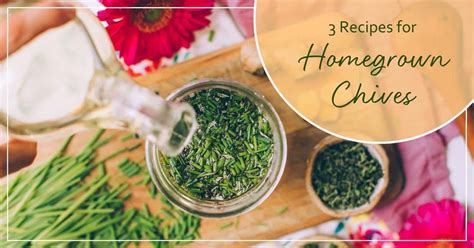
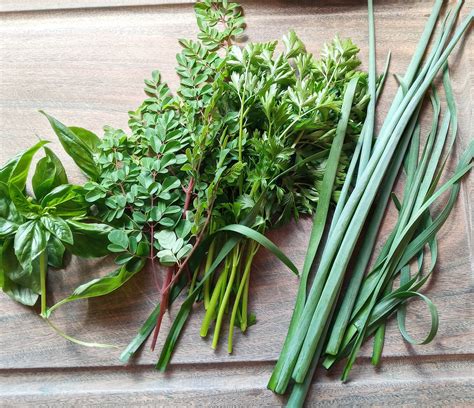
Homegrown produce, especially herbs and certain vegetables, can have a more intense flavor than what you might be accustomed to. Taste as you go! You might find that your dish requires less added salt, sugar, or even certain spices because the natural flavors are so robust. Use the fresh herbs from your garden to brighten and elevate flavors. A sprig of thyme or a handful of basil can transform a humble stew or sauce.
Considering Preservation Techniques
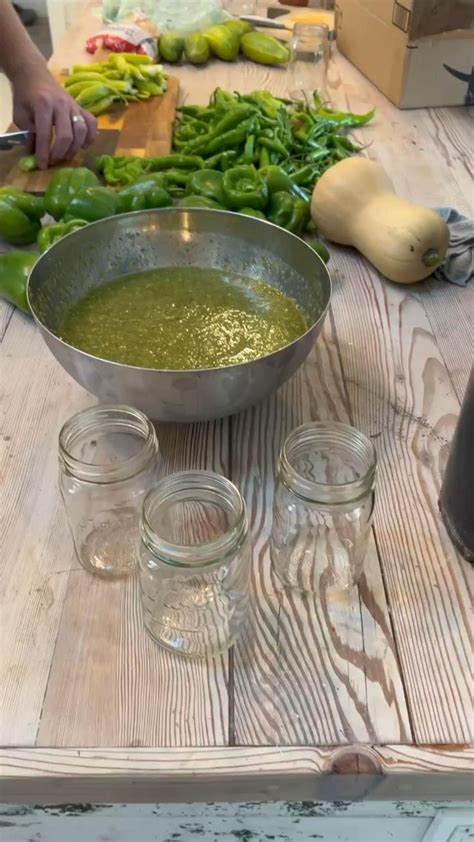
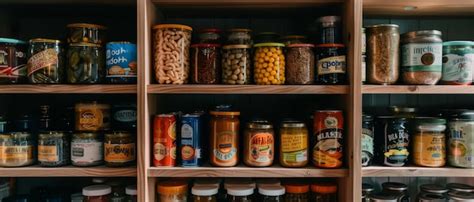
Sometimes, adapting an heirloom recipe means thinking about the long game. If your garden yields an abundance of a particular crop that was historically preserved, consider incorporating traditional canning, pickling, or drying methods into your process. This not only honors the original intent of many heirloom recipes (which often dealt with preserving harvests) but also allows you to enjoy your homegrown bounty year-round, making those heirloom dishes possible even out of season.
Embrace Experimentation and Document Your Journey
Cooking is as much an art as it is a science. Don’t be afraid to experiment with your adaptations. Maybe a different type of squash works beautifully in that old gratin recipe, or a new herb adds an unexpected twist to a classic soup. Keep notes! Jot down what worked, what didn’t, and what adjustments you made. This not only creates your own culinary legacy but also helps refine your adapted recipes for future harvests.

The Rewarding Connection
Adapting heirloom recipes for your homegrown produce is more than just cooking; it’s a profound connection to the past, to the earth, and to the future. It’s about sustaining traditions while embracing the natural cycles of your garden. Each meal becomes a story, a testament to resilience, innovation, and the enduring love for good food.