


How to keep homemade holiday casseroles warm for a large country gathering?

The Challenge of Warmth for Country Gatherings
Preparing a homemade casserole for a holiday gathering is a labor of love, but ensuring it arrives at a large country gathering piping hot presents its own unique set of challenges. Long travel distances, unpredictable weather, and potentially limited on-site reheating options mean you need a solid strategy. The goal isn’t just to keep food warm, but to keep it safely warm, avoiding the dreaded temperature ‘danger zone’ between 40°F and 140°F where bacteria multiply rapidly. Fear not, with a little planning and the right tools, your cheesy potato bake or green bean casserole will be just as comforting as if it came straight from your oven.
Essential Pre-Gathering Preparation
Success starts even before you leave the house. First, consider the casserole dish itself. Ceramic or stoneware dishes retain heat better than glass or metal. If possible, bake your casseroles shortly before departure. If baking ahead, cool them completely and refrigerate, then reheat thoroughly before transport. Using dishes with lids, or covering them tightly with aluminum foil, is crucial for heat retention.
For dishes that can withstand it, a brief blast in a very hot oven (around 400°F/200°C) just before leaving can give them an extra heat boost, extending their warm life. Ensure the internal temperature reaches at least 165°F (74°C) before taking it off the heat for transport.
Masterful Insulation Techniques for Transport
Once your casserole is hot, the mission is to trap that heat. There are several highly effective methods:
The Cooler Method
Your trusty camping cooler isn’t just for keeping things cold; it’s an excellent insulator for hot food too! Line the bottom of a clean cooler with a thick bath towel. Place your hot casseroles inside, keeping them in their original baking dishes. Fill any empty spaces with more towels, old blankets, or even crumpled newspaper. The less air space, the better the insulation. Close the lid tightly. A well-packed cooler can keep food hot for several hours.
Insulated Casserole Carriers
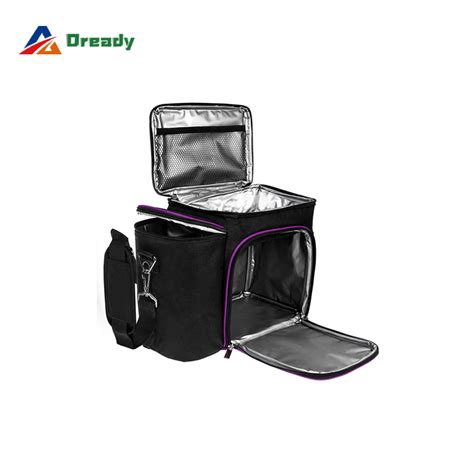
Specifically designed insulated casserole carriers are another fantastic option. Many come with heating pads or gel packs that can be microwaved or heated in an oven to provide an extra layer of warmth. These are often more portable and designed to prevent spills.
The Slow Cooker Advantage
If your casserole can be adapted to a slow cooker, this is a game-changer. Many slow cookers have a ‘warm’ setting which is perfect for transport and serving. Simply bake your casserole, transfer it to the slow cooker (or cook it directly in the slow cooker if the recipe allows), and plug it into your car’s power inverter (if you have one) for the journey, or rely on its excellent insulation after unplugging. At the gathering, plug it back in to keep it warm for serving.
On-Site Warming Solutions
Upon arrival, assess the available resources. If there’s an oven, great! A quick reheat at a moderate temperature (around 250-300°F / 120-150°C) can bring things back to serving temperature without drying them out. If not, don’t despair:
Chafing Dishes
For large gatherings, chafing dishes (buffet warmers) are ideal. They use sternos (canned heat) to maintain a steady, gentle heat underneath a water pan, which then warms the food pan. This is perfect for keeping multiple casseroles warm for an extended period, allowing guests to serve themselves over time. Always ensure the water pan has enough water to prevent scorching.
Electric Warming Trays
Similar to chafing dishes but electrically powered, warming trays provide a flat, heated surface to place your casserole dishes on. These are convenient if you have access to power outlets and want to avoid open flames.
Food Safety First: Maintaining Proper Temperatures
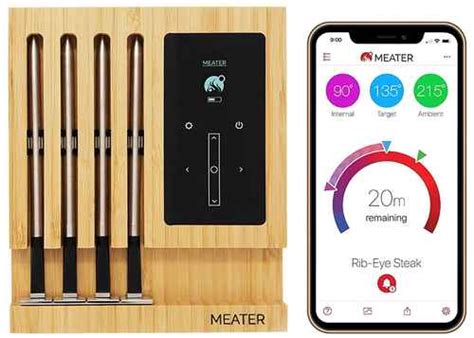
Always prioritize food safety. Aim to keep hot food above 140°F (60°C) during transport and serving. If a casserole has been sitting at room temperature for more than two hours, it’s best to discard it. For dishes that will be out for a while, a food thermometer is your best friend. Periodically check the internal temperature to ensure it remains safe for consumption, especially in outdoor or cooler environments. If you can’t keep it hot, cooling it rapidly and reheating thoroughly is a safer alternative than leaving it lukewarm.
With these strategies, your homemade holiday casseroles will arrive at the country gathering not just warm, but deliciously perfect, proving that a little planning goes a long way in ensuring your culinary efforts are enjoyed to the fullest.