




How to predator-proof a small chicken coop on a budget?

The Importance of a Secure Coop
For anyone raising chickens, few things are as devastating as losing birds to predators. Small chicken coops, while easier to manage, often present unique vulnerabilities if not properly secured. The good news is that achieving a predator-proof haven for your flock doesn’t require a hefty investment. With some ingenuity, common materials, and a bit of elbow grease, you can create a fortress that keeps your chickens safe without emptying your wallet.
The first step in effective predator-proofing is understanding your potential threats. Common chicken predators vary by region but often include raccoons, foxes, weasels, opossums, coyotes, and various birds of prey. Each has different methods of entry, from digging under fences to squeezing through small gaps or even unlatching simple doors. Knowing your enemy helps you build stronger defenses.
Essential Budget-Friendly Materials
You don’t need fancy, expensive materials to build a secure coop. Here’s a list of budget-friendly essentials:
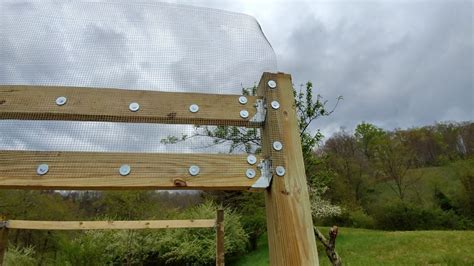
- Hardware Cloth: This is your number one defense. Unlike chicken wire, hardware cloth (1/2-inch or 1/4-inch mesh) is strong enough to deter raccoons and prevent weasels from squeezing through. Look for rolls on sale or consider buying a smaller quantity if you only need to reinforce specific areas.
- Sturdy Latches: Raccoons are incredibly clever with their paws. Simple hooks or latches won’t cut it. Opt for spring-loaded carabiners, padlocks, or double-bolt latches. Repurpose old gate latches if you have them.
- Screws and Washers: For attaching hardware cloth securely. Washers help prevent predators from tearing the cloth away from the wood.
- Repurposed Lumber or Concrete Blocks: Great for creating a digging barrier around the base of the coop. Old pallets, scavenged planks, or leftover concrete blocks can work wonders.
- Zip Ties and Bungee Cords: Handy for temporary fixes or reinforcing areas where screws are difficult to use.
- Motion-Activated Lights or Radios: A cheap light or an old radio tuned to a talk station near the coop can sometimes deter curious nocturnal predators.

Secure All Openings with Hardware Cloth
This is arguably the most crucial step. Every single opening on your coop, no matter how small, needs to be covered with hardware cloth, not chicken wire. This includes:
- Windows and Vents: Staple or screw hardware cloth firmly over these.
- Run Perimeter: If your coop has an attached run, the sides must be hardware cloth. Bury at least 6-12 inches of hardware cloth into the ground around the entire perimeter, or create an L-shaped apron that extends out about 12-18 inches from the base of the run. This prevents digging predators like foxes and raccoons.
- Roof of the Run: If your run is open-topped, cover it with hardware cloth or strong netting to protect against aerial predators like hawks and owls.
Fortify Doors and Access Points
Coop doors and nesting box lids are common points of entry. Ensure they are:
- Snugly Fitting: No gaps large enough for a weasel or a paw to squeeze through. Add weather stripping if needed to seal small gaps.
- Equipped with Robust Latches: As mentioned, simple hooks won’t work. Raccoons can open them. Use two latches if possible, or a single complex latch that requires opposing motions to open. Padlocks offer extra security.
- Reinforced: If your door is thin plywood, consider adding a layer of hardware cloth to the inside, or reinforcing weak points with extra wood scraps.
Implement Digging Barriers
Many predators, especially foxes, coyotes, and badgers, are expert diggers. A strong digging barrier is vital:
- Hardware Cloth Apron: The most effective budget-friendly method. Extend hardware cloth 12-18 inches outward from the base of the run and bury it slightly, or cover it with dirt, rocks, or sod. This creates a deterrent that predators encounter if they try to dig.
- Buried Materials: Old logs, concrete blocks, or heavy rocks can be placed around the perimeter of the coop and run, buried partially to create a physical barrier.

Elevate Your Coop
If your coop sits directly on the ground, it’s an open invitation for digging predators. Elevating the coop even by a foot or two on sturdy legs makes it much harder for predators to gain entry. You can use old railroad ties, concrete blocks, or sturdy scrap lumber as foundation piers. Ensure the legs are smooth or protected to prevent climbing.
Maintain a Clean and Tidy Area
Predators are often drawn to coops by the promise of an easy meal. Minimizing attractants is a free and effective defense:
- Store Feed Securely: Keep chicken feed in airtight, metal containers far away from the coop. Spilled feed attracts rodents, which in turn attract larger predators.
- Collect Eggs Regularly: Don’t leave eggs in nesting boxes overnight, as they can attract weasels and raccoons.
- Clean Up Spills: Regularly sweep up any spilled feed or chicken droppings that might attract pests.
- Remove Hiding Spots: Clear away brush, tall grass, or piles of debris around the coop that predators could use for cover.
The Nightly Lock-Up Routine
Even the most secure coop can be compromised if you don’t follow a strict nightly routine. Always ensure your chickens are inside the coop at dusk, and all doors and latches are securely fastened for the night. This is the single most important habit to develop for their safety.
Predator-proofing a small chicken coop on a budget is entirely achievable with careful planning and the right materials. By focusing on strong hardware cloth, secure latches, effective digging barriers, and good husbandry practices, you can create a safe and peaceful environment for your flock, ensuring they thrive for years to come.