




How to successfully preserve a large garden harvest without a pressure canner?
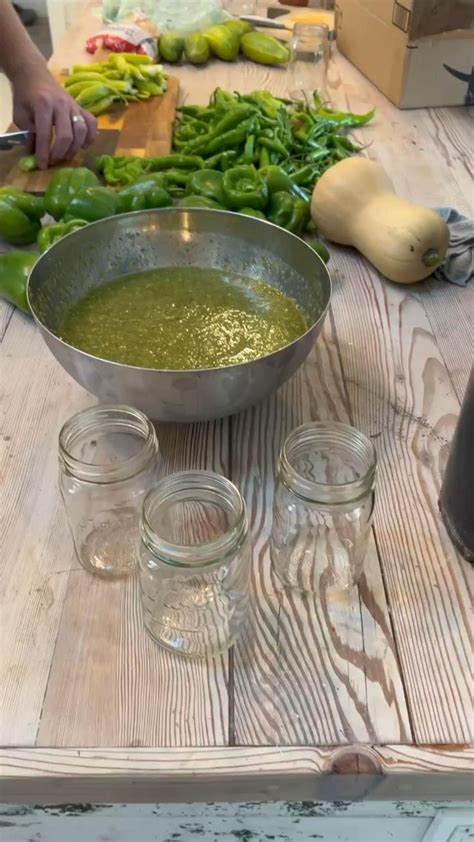
A bountiful garden harvest is a joyous reward for your hard work, but it also presents a delightful challenge: how to preserve all that goodness for the lean months ahead. While a pressure canner is indispensable for low-acid foods, many excellent preservation techniques exist that don’t require one. With a bit of planning and the right approach, you can stock your pantry, freezer, and shelves with delicious, homegrown produce all year long.
Understanding Your Options for Preservation
Preserving your harvest without a pressure canner primarily focuses on methods suitable for high-acid foods, or techniques that inhibit microbial growth through other means like freezing, dehydration, or fermentation. Understanding which method suits which type of produce is the first step to successful long-term storage and ensuring food safety.
Water Bath Canning: For High-Acid Foods
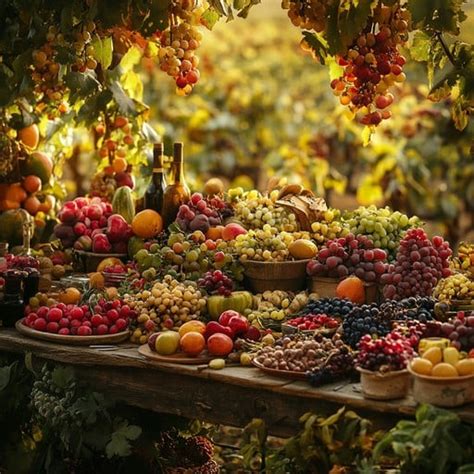
Water bath canning is a fantastic method for preserving high-acid foods like fruits, jams, jellies, pickles, tomatoes (with added acid), and salsas. The high acidity, combined with the heat from a boiling water bath, effectively destroys spoilage microorganisms and creates a vacuum seal.
To water bath can, you’ll need a large pot with a rack, canning jars, lids, bands, and basic canning tools. Ensure all jars and lids are properly sterilized, fill jars with your prepared food, remove air bubbles, adjust headspace, and process in boiling water for the time specified in a tested recipe. Always use up-to-date, reliable canning recipes to ensure safety.
Freezing: Simplicity and Versatility
Freezing is arguably one of the easiest and most versatile ways to preserve nearly any type of garden produce. It locks in nutrients and flavor, stopping enzymatic action and microbial growth. Most vegetables benefit from blanching (briefly boiling then chilling in ice water) before freezing to maintain color, texture, and flavor.
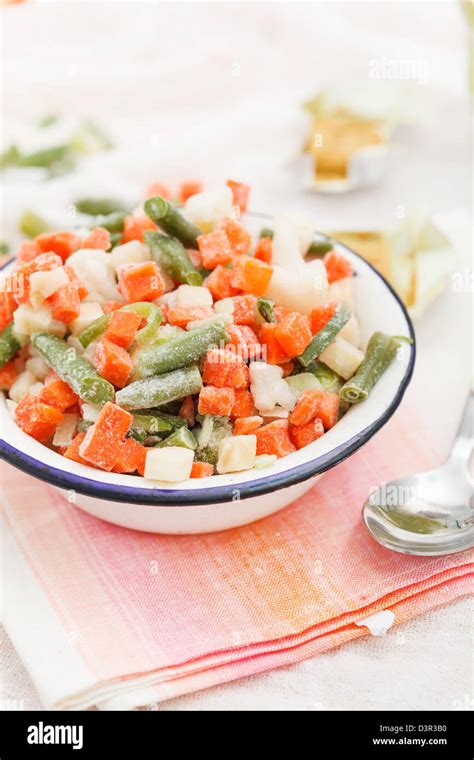
Fruits, on the other hand, can often be frozen raw, either whole, sliced, or as a puree. From berries and corn to beans and squash, freezing allows you to enjoy the taste of summer throughout the year. Remember to use freezer-safe containers or bags and remove as much air as possible to prevent freezer burn.
Dehydrating: Concentrating Flavor
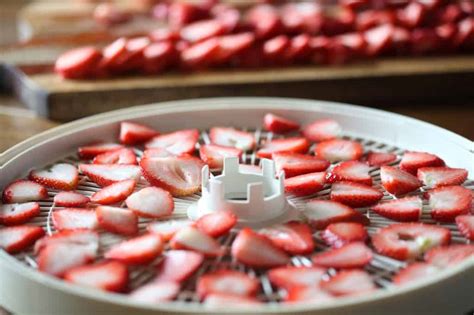
Dehydration removes moisture from food, inhibiting spoilage. This method is excellent for saving space and creating nutrient-dense snacks and ingredients. You can use a food dehydrator, an oven set to its lowest temperature, or even the sun in very dry climates.
Herbs, fruit leathers, apple rings, sun-dried tomatoes, and even zucchini chips are prime candidates for dehydrating. Proper preparation, such as slicing thinly and pre-treating some fruits with an acid solution, will ensure optimal results. Store dehydrated foods in airtight containers in a cool, dark place.
Fermentation and Pickling: Tangy Goodness
Fermentation is an ancient preservation method that not only preserves food but also enhances its nutritional value and creates unique flavors. Through lacto-fermentation, beneficial bacteria convert sugars into lactic acid, which acts as a natural preservative. Sauerkraut, kimchi, and fermented pickles are popular examples.
Vinegar pickling, another popular method, uses a high-acid brine to preserve vegetables. While many pickled items are then water bath canned for shelf stability, quick pickles can be stored in the refrigerator for several weeks. Both methods offer a delightful tang to your culinary creations.
Root Cellaring and Cold Storage: Natural Solutions
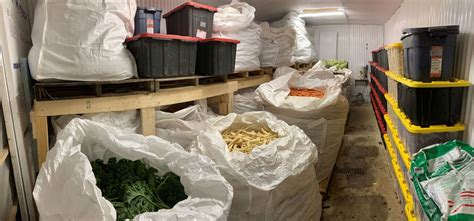
If you have a cool, dark, and moderately humid space—like a basement, garage, or even a dedicated root cellar—you can store many root vegetables and some fruits for months without any processing. Ideal conditions typically hover around 35-50°F (2-10°C) with high humidity.
Potatoes, carrots, beets, apples, and onions are excellent candidates for cold storage. Ensure produce is clean, cured if necessary (like pumpkins and squash), and stored in breathable containers to prevent spoilage.
Other Creative Preservation Methods
Beyond these primary methods, countless creative ways exist to extend your harvest. Consider making herb-infused oils and vinegars (for short-term use or refrigerated storage), producing homemade sauces and purees that can then be frozen, or crafting fruit syrups. These methods often fall under the umbrella of other techniques, but offer unique ways to enjoy your garden’s bounty.
Keys to Successful Preservation
Regardless of the method you choose, a few universal principles contribute to successful preservation. Always start with fresh, high-quality produce. Cleanliness is paramount; ensure all equipment, hands, and surfaces are scrupulously clean to prevent contamination. Follow tested recipes and guidelines meticulously, especially for canning, to ensure food safety.
Finally, proper labeling with the date and contents is essential for good inventory management. Store your preserved foods in a cool, dark place (for canned and dehydrated items) or at the appropriate temperature (for frozen or cold-stored goods). With a little practice, you’ll soon become a master of non-pressure canning preservation, enjoying your garden’s generosity year-round.
Conclusion
Preserving a large garden harvest without a pressure canner is entirely achievable and immensely rewarding. By embracing water bath canning for high-acid foods, freezing for versatility, dehydrating for space-saving, and experimenting with fermentation and cold storage, you can ensure that the flavors of your garden endure far beyond the growing season. Enjoy the satisfaction of a well-stocked pantry and the taste of summer, even in the depths of winter.