




How to start a small backyard flock of egg-laying chickens on a budget?
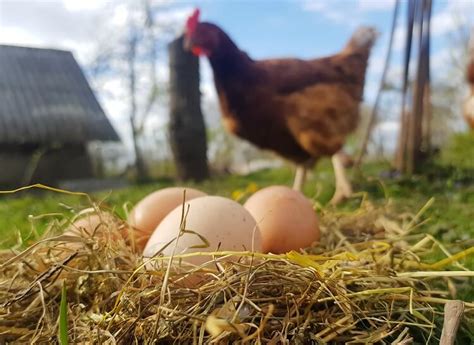
Dreaming of fresh eggs straight from your backyard but worried about the cost? Starting a small flock of egg-laying chickens on a budget is not only achievable but can also be an incredibly rewarding venture. With a bit of planning, resourcefulness, and DIY spirit, you can enjoy the many benefits of backyard poultry without emptying your wallet.
Planning Your Affordable Flock
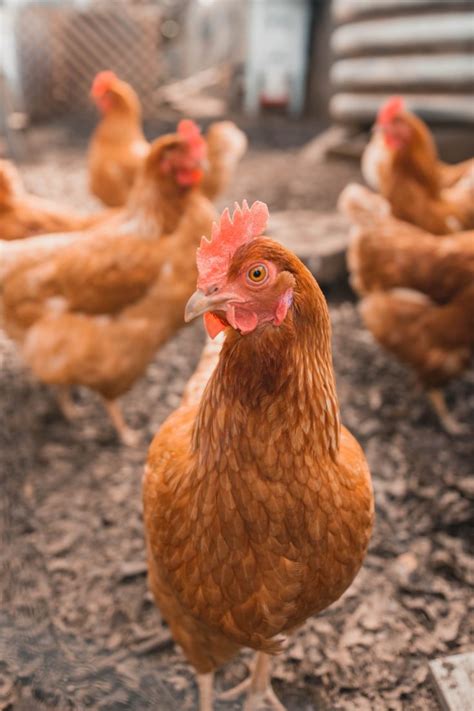
The first step to a budget-friendly flock is thorough planning. Research local ordinances to ensure chickens are permitted in your area and understand any specific requirements. Decide on the size of your flock – a small number (3-5 hens) is ideal for beginners and easier on the budget. Consider breeds known for good egg production and hardiness, as these often require less specialized care. Hybrid breeds like the Rhode Island Red, Leghorn, or Plymouth Rock are excellent layers and generally robust.
Sourcing Your Chickens Economically
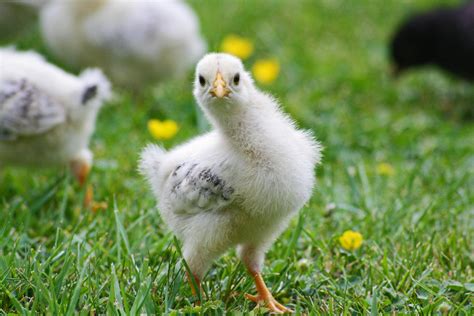
When it comes to acquiring your birds, young chicks are the most economical option. While they require more initial care and heat lamps, buying day-old chicks is significantly cheaper than purchasing pullets (hens nearing laying age). Look for local farm supply stores, hatcheries, or even online forums for deals. Sometimes, local farmers are looking to rehome older, still productive hens for a minimal fee or even free. Always inspect birds for signs of health before bringing them home.
Building a Budget-Friendly Coop
Housing is often the biggest upfront cost, but it doesn’t have to be. Get creative with your coop! Old sheds, dog houses, or large wooden crates can be repurposed with modifications. The key requirements are shelter from elements, good ventilation, roosting bars, nesting boxes, and predator protection. Scour online marketplaces for free or cheap lumber, pallets, or even old swingsets that can be adapted. DIY plans for small, simple coops are abundant online, helping you save on labor costs and materials. Ensure the coop is secure, with hardware cloth (not chicken wire) used to deter predators like raccoons and foxes.

Economical Feeding Strategies
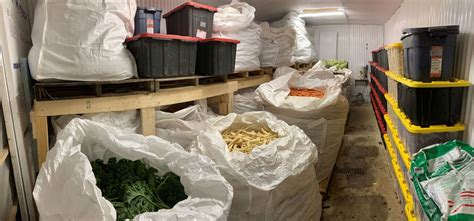
Feed can be a recurring expense, but smart strategies can keep costs down. A good quality layer feed is essential for egg production, but it doesn’t have to be your flock’s sole diet. Supplement their diet with kitchen scraps like vegetable peels, fruit pieces (in moderation), cooked pasta, and oatmeal. Avoid avocado pits/skins, raw potatoes, and anything moldy. Let your chickens free-range for a portion of the day if possible, allowing them to forage for insects, seeds, and greens, which significantly reduces feed consumption. Consider starting a compost pile to attract insects for them and dispose of scraps.

Maintaining Health and Hygiene on a Shoestring
Preventative care is key to avoiding costly vet bills. Keep the coop clean and dry to prevent disease. Use deep litter methods with straw or wood shavings to reduce odor and cleaning frequency. Provide fresh water daily. Observe your flock regularly for any signs of illness or injury. For common issues like external parasites, natural remedies like diatomaceous earth (food grade) can be an effective and inexpensive solution. Good husbandry practices go a long way in keeping your flock healthy and happy without needing expensive interventions.

Enjoying the Rewards of Your Budget Flock
Starting a backyard flock on a budget is a rewarding journey that yields fresh, delicious eggs, natural pest control, and rich compost for your garden. Beyond the tangible benefits, caring for chickens offers a connection to nature and a sense of self-sufficiency. With careful planning and a willingness to be resourceful, anyone can enjoy the delights of backyard chickens without a hefty financial investment.