


Best method to preserve fresh garden herbs for winter cooking?

Bringing Summer’s Flavor to Your Winter Kitchen
As the gardening season winds down, the challenge for many country living enthusiasts is how to hold onto the vibrant flavors of their fresh garden herbs. While nothing quite beats a sprig picked straight from the plant, several excellent preservation methods can extend the life of your herbaceous bounty, allowing you to infuse your winter meals with that much-loved summer essence.
Choosing the best method often depends on the type of herb and how you plan to use it. Some herbs retain their flavor and texture better through freezing, while others excel when dried. Let’s explore the most popular and effective techniques.

Freezing Herbs for Optimal Freshness
Freezing is arguably one of the best methods for preserving soft, leafy herbs like basil, parsley, cilantro, chives, mint, and tarragon. It helps to retain their bright color and much of their essential oils, making them ideal for adding to soups, stews, sauces, and dressings.
Ice Cube Tray Method
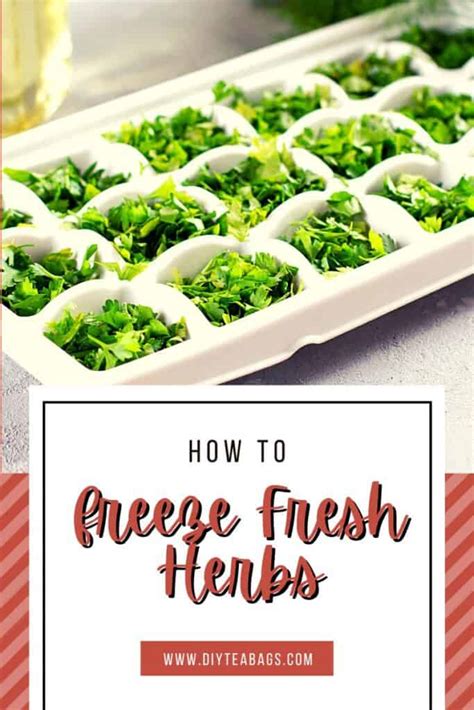
This is a fantastic way to preserve herbs in convenient, pre-portioned amounts. Finely chop your desired herbs and pack them into ice cube trays. You can then cover them with water, olive oil, or even melted butter. Water is great for general use, while oil works wonders for herbs destined for sautéing or sauces. Once frozen solid, pop the herb cubes out and transfer them to freezer-safe bags or containers. This prevents freezer burn and makes it easy to grab a cube whenever needed.
Flash Freezing
For more delicate herbs or those you prefer to use whole or roughly chopped, flash freezing is an option. Spread clean, dry herb leaves on a baking sheet and freeze until solid (1-2 hours). Once frozen, transfer them to a freezer bag, pressing out as much air as possible before sealing. This method works well for dill, mint, and even small basil leaves.
Drying Herbs: A Timeless Tradition
Drying is a classic preservation technique, especially effective for woody, low-moisture herbs like rosemary, thyme, oregano, sage, bay leaves, and marjoram. While some flavor may be lost compared to fresh or frozen, dried herbs offer a concentrated aroma that can stand up to long cooking times.
Air Drying
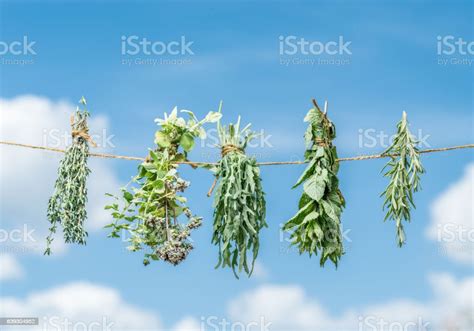
The simplest method involves air drying. Bundle small bunches of herbs together, tie them with twine, and hang them upside down in a warm, dry, well-ventilated area away from direct sunlight. A pantry, attic, or even a covered porch works well. Depending on humidity and herb type, this can take 1-3 weeks. Herbs are dry when they easily crumble between your fingers.
Dehydrator or Oven Drying
For a quicker process, a food dehydrator is excellent as it provides controlled heat and airflow. Follow your dehydrator’s instructions for temperature and drying times. Alternatively, you can use an oven on its lowest setting (usually 170-200°F or 75-90°C) with the door slightly ajar to allow moisture to escape. Spread herbs in a single layer on baking sheets and check frequently, turning them every 30 minutes until crisp. This usually takes 2-4 hours.
Infusing Oils and Vinegars
Infusing herbs into oils and vinegars not only preserves their flavor but also creates wonderful culinary gifts. This method works well for herbs like rosemary, thyme, oregano, sage, and even basil (though basil-infused oils should be refrigerated and used quickly due to botulism risk if fresh herbs are used and stored at room temperature).
Herb-Infused Oils
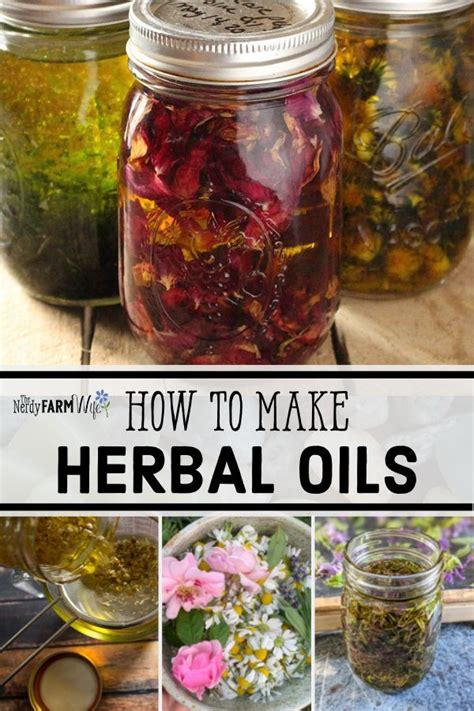
To make an herb-infused oil, gently bruise clean, dry herb sprigs to release their oils. Place them in a clean, sterilized bottle and cover completely with a good quality olive oil or other neutral oil. Seal tightly and let it infuse in a cool, dark place for 1-2 weeks, shaking occasionally. Strain out the herbs before using. For safety, it’s best to use dried herbs for oil infusions if you plan to store them at room temperature for extended periods. Fresh herb infusions in oil must be refrigerated and used within a week to avoid botulism risks.
Herb-Infused Vinegars
Vinegar infusions are less prone to bacterial issues. Pack clean herb sprigs into a sterilized bottle and fill with white wine vinegar, apple cider vinegar, or champagne vinegar. Seal and let infuse for 2-4 weeks in a cool, dark place. Strain out the herbs and bottle the infused vinegar. These make fantastic additions to salad dressings, marinades, and sauces.
Proper Storage for Preserved Herbs
- Frozen Herbs: Keep in airtight freezer bags or containers for up to 6-12 months.
- Dried Herbs: Store whole or crumbled in airtight jars in a cool, dark pantry. They maintain potency for 6-12 months.
- Infused Oils/Vinegars: Store infused vinegars in a cool, dark place for several months. Refrigerate fresh herb-infused oils and use quickly; for longer storage, use dried herbs.
Embrace Winter Cooking with Your Garden’s Bounty
By employing these simple yet effective preservation techniques, you can ensure that the delightful aromas and flavors of your garden herbs are never far from your winter cooking. Whether you’re adding a cube of frozen basil to a pasta sauce or a sprinkle of dried rosemary to a roast, these preserved treasures will bring warmth and a taste of summer sunshine to even the coldest days.