


DIY natural fertilizer recipes for robust organic vegetable growth?

Cultivating a Thriving Organic Garden with Homemade Fertilizers
For any home gardener passionate about organic produce, understanding soil nutrition is key. While commercial organic fertilizers are available, creating your own offers a cost-effective, sustainable, and highly rewarding way to provide your plants with the essential nutrients they need. DIY natural fertilizers leverage common household waste and garden materials, transforming them into powerful elixirs that promote robust growth, stronger root systems, and abundant yields.

The beauty of organic gardening lies in its holistic approach to soil health, nurturing the beneficial microorganisms that, in turn, feed your plants. By making your own fertilizers, you’re not just adding nutrients; you’re actively contributing to a vibrant, living soil ecosystem. Let’s explore some simple yet highly effective recipes that will help your organic vegetable garden flourish.
The Power of Compost Tea
Compost tea is often called ‘liquid gold’ for gardeners, and for good reason. It’s a nutrient-rich liquid extract made from mature compost, teeming with beneficial microbes. This tea acts as both a fertilizer and a protective shield against plant diseases, delivering a gentle, slow-release nutrient boost.
Ingredients:
- 1 part mature compost (from your compost pile)
- 5 parts non-chlorinated water (rainwater or tap water left out for 24 hours)
- Optional: A handful of kelp meal or molasses for microbial food
Instructions:
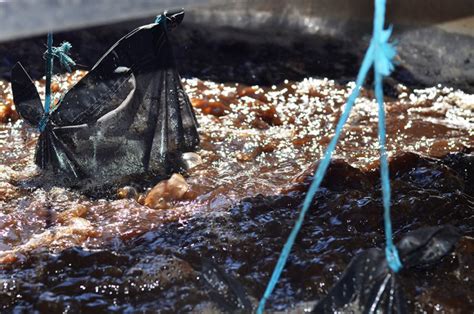
- Place your compost in a porous bag (like an old pillowcase or burlap sack) and tie it securely.
- Submerge the bag in a bucket of non-chlorinated water.
- Stir daily for 2-3 days, or use an aquarium aerator for 24-48 hours to create aerobic conditions.
- When the water turns a rich, tea-like brown color, your compost tea is ready.
Application:
Dilute the tea further with water (1:10 ratio) for young seedlings or use undiluted for established plants. Apply directly to the soil around the base of your vegetables or as a foliar spray early in the morning or late in the evening.
Potassium Powerhouse: Banana Peel Fertilizer
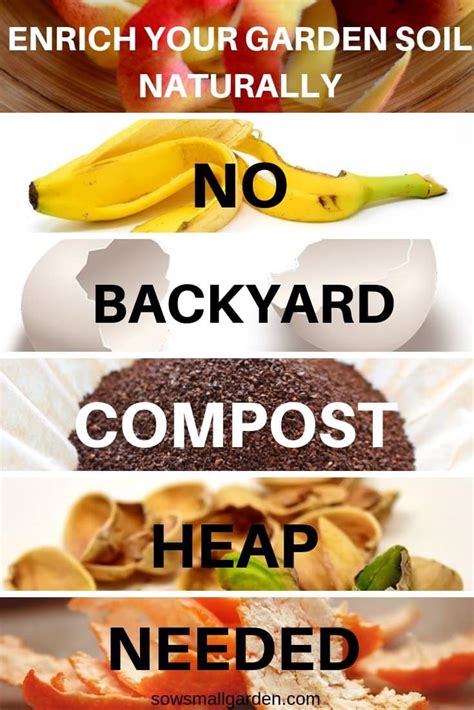
Bananas are rich in potassium, a vital nutrient for fruit development, flowering, and overall plant vigor. Don’t toss those peels!
Method 1: Direct Burial
Chop banana peels into small pieces and bury them 2-3 inches deep around the base of potassium-hungry plants like tomatoes, peppers, and squash. The peels will decompose, slowly releasing potassium into the soil.
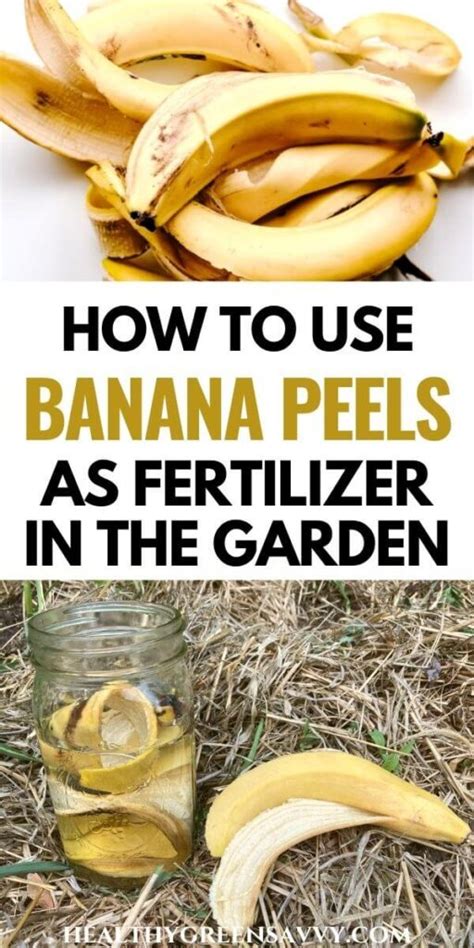
Method 2: Banana Peel Tea
Soak 4-5 banana peels in a gallon of non-chlorinated water for a few days. Strain the liquid and use it to water your plants.
Nitrogen Boost: Coffee Grounds
Coffee grounds are a fantastic source of nitrogen, which promotes lush, green leafy growth. They also slightly acidify the soil, which is beneficial for plants like blueberries, rhododendrons, and acid-loving vegetables. However, use them sparingly around plants that prefer alkaline conditions.
Application:
Spread a thin layer (no more than half an inch) of dried coffee grounds directly onto the soil surface around your vegetable plants. You can also mix them into your compost pile or dilute them in water to create a liquid feed.

Calcium & Magnesium Magic: Eggshells and Epsom Salt
Eggshells for Calcium
Calcium is crucial for strong cell walls and preventing blossom end rot in tomatoes and peppers. Wash and thoroughly dry eggshells, then crush them into a fine powder. Sprinkle the powder directly into planting holes or around established plants and gently scratch into the soil.
Epsom Salt for Magnesium & Sulfur
Epsom salt (magnesium sulfate) provides a quick boost of magnesium and sulfur, essential for chlorophyll production and nutrient uptake. Dissolve 1 tablespoon of Epsom salt in a gallon of water and use it to water plants showing signs of magnesium deficiency (yellowing leaves between green veins). Alternatively, sprinkle 1-2 tablespoons around the base of plants like tomatoes and peppers every few weeks.
General Tips for Using DIY Fertilizers
- Start Small: Always test new fertilizers on a small area or a single plant first to observe its reaction.
- Don’t Overdo It: While natural, too much of a good thing can still harm plants. Follow recommended application rates.
- Observe Your Plants: Yellowing leaves, stunted growth, or poor fruit set can all indicate specific nutrient deficiencies that your DIY fertilizers can address.
- Combine Methods: A varied approach using different DIY fertilizers throughout the growing season provides a broader spectrum of nutrients.
- Healthy Soil is Key: Remember that these fertilizers supplement, but don’t replace, the importance of healthy soil built with plenty of organic matter and good drainage.
Embracing DIY natural fertilizers is a rewarding step towards a truly sustainable and abundant organic vegetable garden. Not only will you reduce waste and save money, but you’ll also foster a healthier, more resilient garden ecosystem, leading to delicious, nutrient-rich produce you can be proud of.