


How do country families budget for real food & reduce kitchen waste?

The Rural Advantage: A Holistic Approach to Food and Frugality
For families living in the countryside, access to fresh, wholesome food is often a priority, driven by a desire for health and a connection to the land. This desire, however, must often be balanced with practical budgeting and a deep-seated commitment to efficiency – which naturally leads to minimizing kitchen waste. Rural living offers unique advantages and challenges in this pursuit, fostering a mindset where food is valued, resources are respected, and sustainability is a way of life.

Growing Your Own: The Foundation of Real Food Budgets
Perhaps the most significant way country families budget for real food is by growing a substantial portion of it themselves. A well-tended garden, even a modest one, can dramatically cut grocery bills. From vegetables and herbs to fruit trees and berries, homegrown produce is inherently ‘real’ – fresh, free from harmful chemicals (if organic practices are followed), and picked at peak nutritional value. Beyond the financial savings, gardening provides valuable skills, physical activity, and a deeper understanding of where food comes from.
Strategic Sourcing and Bulk Buying
When gardening isn’t enough, country families often turn to local resources. Farmer’s markets, roadside stands, and community-supported agriculture (CSA) programs offer fresh, seasonal produce, often at better prices than supermarkets. Bulk buying is another cornerstone: purchasing grains, legumes, spices, and even meat directly from farms or co-ops in large quantities significantly reduces the per-unit cost. These bulk items are then stored in pantries, freezers, or root cellars, providing a stable food supply.
Smart Kitchen Management: Budgeting Beyond the Buy
Budgeting for real food isn’t just about how you acquire it; it’s also about how you manage it once it’s in your kitchen. Efficient meal planning and preservation are crucial.

Mastering Meal Planning and Leftover Utilization
Careful meal planning is paramount. Country families often plan meals around what’s in season, what they’ve harvested, or what they have in storage. This proactive approach minimizes impulse buys and ensures every ingredient serves a purpose. Leftovers are rarely wasted; they are repurposed into new meals, added to stocks, or frozen for later. A chicken carcass becomes a nourishing soup, yesterday’s roasted vegetables become part of today’s frittata, and stale bread transforms into croutons or breadcrumbs.
The Art of Food Preservation
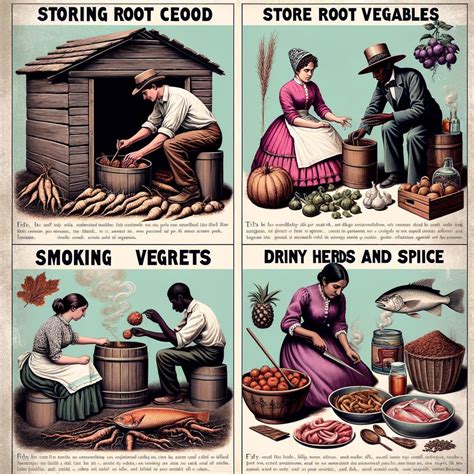
To extend the bounty of harvests and bulk purchases, preservation techniques are indispensable. Canning, freezing, dehydrating, and fermenting are common practices that allow families to enjoy seasonal foods year-round. Jars of pickles, sauces, jams, and frozen vegetables line pantries and freezers, ensuring a steady supply of real food even when fresh options are scarce or expensive. This also acts as a financial buffer against fluctuating food prices.

From Scraps to Solutions: Minimizing Kitchen Waste
In the country, waste isn’t just an environmental concern; it’s a direct loss of resources and money. Reducing kitchen waste is an integral part of sustainable living and budgeting.
Composting and Animal Feed: Closing the Loop
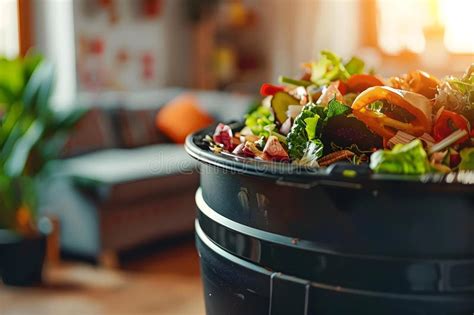
Food scraps that aren’t fit for human consumption don’t go into a landfill. Instead, they are typically diverted to a compost pile, enriching soil for future gardens, or fed to livestock such as chickens, pigs, or goats. This creates a circular system: food scraps nourish the soil or animals, which in turn contribute to the family’s food supply or garden health. This practice significantly reduces waste and provides valuable resources.
Nose-to-Tail and Root-to-Stem Philosophy
Country families often embrace a ‘nose-to-tail’ and ‘root-to-stem’ philosophy, maximizing every part of an animal or plant. This means using vegetable peels for stock, cooking greens from root vegetables, or utilizing organ meats and bones from butchered animals. This approach not only prevents waste but also extracts maximum nutrition and flavor from every food item, reflecting a deep respect for the food source.

A Sustainable Cycle for Health and Prosperity
The practices of budgeting for real food and reducing kitchen waste in country families are deeply intertwined. They form a sustainable cycle that promotes health, financial prudence, and environmental responsibility. By growing their own food, sourcing wisely, planning meals meticulously, preserving the harvest, and transforming scraps into resources, country families exemplify a resourceful and resilient approach to feeding themselves well while minimizing their environmental footprint. It’s a testament to the enduring wisdom of living closely with the land and its resources.