





What DIY natural soil amendments boost country garden yields effectively?

The Foundation of a Flourishing Country Garden
For any country garden to truly thrive and deliver abundant yields, healthy soil is paramount. Instead of relying on synthetic fertilizers, savvy gardeners often turn to natural, do-it-yourself amendments. These not only enrich the soil with vital nutrients but also improve its structure, water retention, and microbial life, all while being cost-effective and environmentally friendly. Embracing natural soil amendments transforms your garden into a sustainable, self-sufficient ecosystem, fostering robust plant growth and bountiful harvests.

Why Choose Natural Over Synthetic?
Opting for natural amendments offers numerous advantages over their synthetic counterparts. Synthetic fertilizers provide quick bursts of nutrients but often neglect the long-term health of the soil, potentially harming beneficial microorganisms and polluting waterways. Natural amendments, conversely, build soil fertility over time, creating a living, breathing foundation that supports plant health from the roots up. They enhance soil structure, increase organic matter, and provide a slow, steady release of nutrients, leading to stronger plants, better disease resistance, and ultimately, higher yields without harmful chemical residues.
Top DIY Natural Soil Amendments for Enhanced Yields
1. Compost: The Gardener’s Black Gold
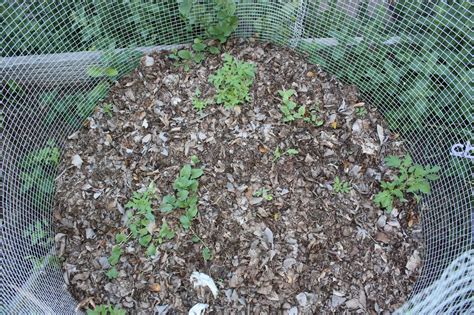
Compost is arguably the most valuable amendment you can create. Made from decomposed organic materials like kitchen scraps, yard waste, and leaves, it enriches soil with a vast array of macro and micronutrients. Compost improves soil structure, enhances water retention in sandy soils, and loosens heavy clay soils. It also fosters a healthy microbial ecosystem, essential for nutrient cycling and disease suppression. Regular application of homemade compost will visibly transform your garden’s productivity.
2. Aged Manure: Nutrient Powerhouse
Manure from herbivores like cows, horses, chickens, or rabbits is an excellent source of nitrogen, phosphorus, and potassium, along with various micronutrients. The key is to use aged manure, meaning it has composted for at least six months. Fresh manure can be too strong, potentially burning plants or introducing unwanted weed seeds. Aged manure, however, is a fantastic soil conditioner and nutrient booster, significantly improving soil fertility and plant vigor.
3. Cover Crops: Living Soil Builders
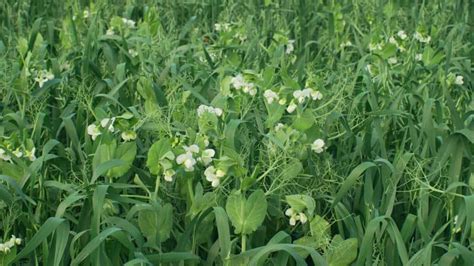
Cover crops, such as clover, vetch, rye, or buckwheat, are planted specifically to benefit the soil rather than for harvest. They protect the soil from erosion, suppress weeds, add organic matter when tilled under (green manure), and some, like legumes, even fix atmospheric nitrogen into a usable form for plants. Planting cover crops in off-seasons or between cash crops is a smart, sustainable way to build soil health naturally.
4. Worm Castings: Superfood for Plants
Worm castings, or vermicompost, are the nutrient-rich excrement of earthworms. These tiny packages are packed with readily available nutrients, beneficial microbes, and humic acids that stimulate plant growth and improve germination rates. Worm castings are a gentle yet potent amendment, perfect for giving seedlings a boost or enriching garden beds. You can even create your own with a simple vermicomposting bin.
5. Leaf Mold: Forest Floor Magic
Leaf mold is simply decomposed leaves. While it takes longer to produce than traditional compost (1-2 years), the result is a fantastic soil conditioner, especially for improving water retention and creating a fluffy, aerated soil structure. It’s particularly beneficial for woodland plants but will enhance any garden soil, mimicking the rich, fertile conditions found on a forest floor.
![[100+] Worm Pictures | Wallpapers.com](/images/aHR0cHM6Ly90czIubW0uYmluZy5uZXQvdGg/aWQ9T0lQLk54bEltZ05xU3FxejRzYVVMY05Fd1FIYUVfJnBpZD0xNS4x.webp)
6. Wood Ash (Use Sparingly): Potassium Boost
Untreated hardwood ash from fireplaces or wood stoves can be a valuable amendment, providing potassium, calcium, and magnesium. It also helps to raise soil pH, which can be beneficial for acidic soils. However, use wood ash sparingly and only after a soil test, as too much can make the soil excessively alkaline. Never use ash from treated wood or coal.
7. Coffee Grounds: Nitrogen and Acidity Adjuster
Used coffee grounds are a good source of nitrogen, can attract earthworms, and contribute organic matter. While often thought to be highly acidic, most of their acidity is leached out during brewing, making them fairly neutral. They can still slightly acidify the soil over time and are excellent for acid-loving plants like blueberries, rhododendrons, and azaleas, or simply added to your compost pile.
Integrating Amendments into Your Garden Plan
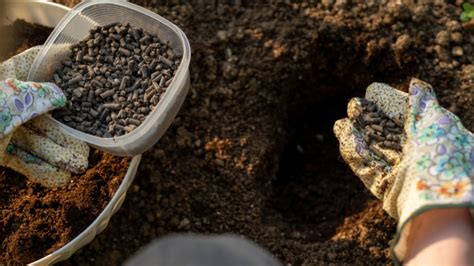
Successful use of these amendments involves thoughtful application. Incorporate amendments like compost and aged manure into the top few inches of soil before planting, or use them as a top-dressing throughout the growing season. For cover crops, plant them after harvesting your main crops and then turn them under before the next planting cycle. Always consider a soil test to understand your specific soil needs, which will help you tailor your amendment strategy for optimal results.
The Long-Term Rewards of Nurturing Your Soil
Adopting a regimen of DIY natural soil amendments is an investment in the long-term health and productivity of your country garden. By fostering a vibrant, nutrient-rich soil ecosystem, you’ll not only see increased yields and healthier, more resilient plants, but also reduce your reliance on external inputs. Your garden will become a self-sustaining haven, providing abundant produce and contributing to a healthier environment for years to come.