




How to properly store homegrown root vegetables through winter?
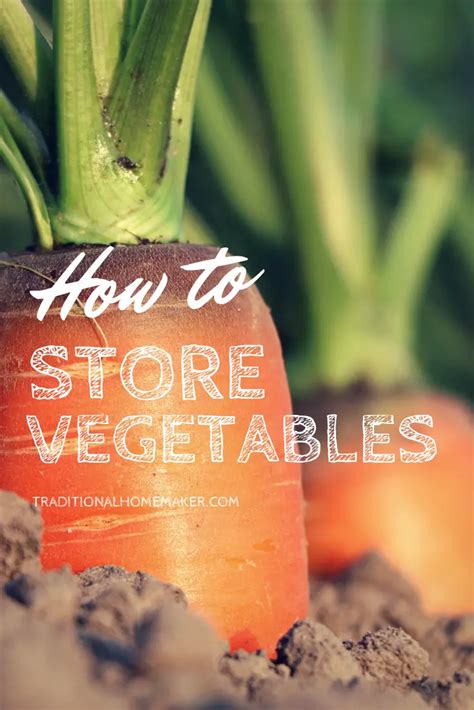
As the gardening season winds down, the satisfaction of a bountiful harvest is immense. But what do you do with all those delicious root vegetables—carrots, potatoes, beets, parsnips, and more? Storing them properly through the colder months is key to enjoying your hard work long after the first frost. With the right techniques, you can extend the freshness and nutritional value of your homegrown produce, reducing waste and providing healthy food for your family throughout winter.
Why Proper Storage Matters for Your Harvest
Beyond simply preventing spoilage, effective storage plays a crucial role in maintaining the quality and flavor of your root vegetables. Improper conditions can lead to wilting, sprouting, rotting, or loss of vital nutrients. By understanding the specific needs of different vegetables, you can create an environment that keeps them dormant and fresh, ready to be enjoyed months later, tasting as close to freshly picked as possible.
Essential Pre-Storage Steps for Root Vegetables
Before any vegetable makes it into long-term storage, a few critical steps must be followed. First, harvest your roots at the right time—typically when they’ve reached full maturity and before a hard freeze. Gently dig them up, being careful not to bruise or cut them, as any damage can invite rot. For vegetables like potatoes, sweet potatoes, onions, and garlic, a ‘curing’ period of a few days to a few weeks in a warm, humid, or cool, dry environment (depending on the vegetable) helps toughen skins and heal minor wounds, significantly improving their storage life. Brush off excess soil gently; do NOT wash most root vegetables before storage, as moisture can encourage fungal growth.
Tailoring Storage Methods to Your Vegetables
Not all root vegetables like the same conditions. Grouping them by their ideal storage environment is vital for success.
Cold, Moist Storage (Ideal for Root Cellars)
Carrots, beets, parsnips, turnips, and rutabagas thrive in conditions that mimic a cool, damp earth environment—typically around 32-40°F (0-4°C) with 90-95% humidity. A root cellar is perfect, but a cool basement corner or even a buried container can work. Layer these vegetables in bins with damp sand, peat moss, or sawdust. This prevents moisture loss and inhibits sprouting. Ensure good air circulation around the bins, not just within the layers.
Cool, Dry Storage (Pantry or Shed)
Potatoes, sweet potatoes (after curing), onions, and garlic prefer cooler temperatures but with lower humidity, generally 45-60°F (7-15°C) and 60-70% humidity. Potatoes need to be stored in the dark to prevent greening and solanine development. Onions and garlic require good air circulation; hanging them in mesh bags or braiding them are excellent methods. Sweet potatoes, once cured, should not be refrigerated as cold temperatures can damage them.
Alternative Preservation Methods
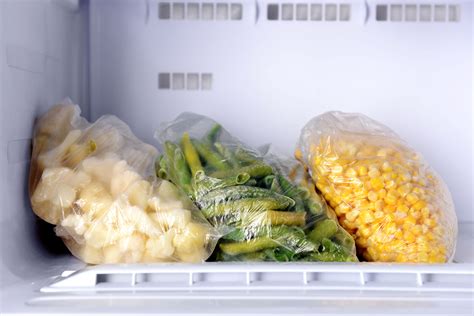
If you lack ideal storage conditions, or simply wish to diversify your preservation efforts, consider freezing or dehydrating. Many root vegetables, such as carrots, beets, and parsnips, can be blanched and then frozen, maintaining much of their flavor and nutrients for months. Dehydrating thinly sliced roots is another excellent way to preserve them for soups, stews, or healthy snacks, though this changes their texture significantly.
Building a DIY Root Cellar or Storage Area
You don’t necessarily need a fancy, purpose-built root cellar. A corner of an unheated basement, a well-insulated garage, or even a large, buried garbage can or cooler can serve as a makeshift storage solution. The key is to maintain a consistent temperature and humidity, protect from pests, and ensure some level of air exchange to prevent the build-up of ethylene gas, which can accelerate ripening and spoilage in some produce.

Key Considerations for Long-Term Success
Regularly inspect your stored vegetables throughout the winter. Remove any that show signs of spoilage immediately to prevent it from spreading to others. Ensure consistent conditions; fluctuating temperatures or humidity can stress the vegetables and shorten their lifespan. Proper ventilation is also key to preventing mold and mildew. By paying attention to these details, you can significantly extend the life of your precious homegrown harvest.

Enjoying Your Winter Bounty
Storing homegrown root vegetables through winter is a rewarding practice that connects you more deeply with your food source and the rhythm of the seasons. Imagine pulling out crisp carrots or firm potatoes from your own stash in the dead of winter! With a little planning and effort, you can enjoy the fruits (or rather, roots) of your labor for many months, bringing fresh, nutritious flavor to your winter table.