



Eating real food on the road: How to find local farms or markets while traveling?
When you’re miles from home, the temptation of fast food or familiar chains can be strong. However, for those who crave authentic experiences and nourishing meals, the road less traveled often leads to culinary delights: local farms and bustling markets. Eating real, locally sourced food while traveling not only offers incredible flavor and nutritional benefits but also provides a deeper connection to the places you visit. It’s about tasting the region, supporting its people, and making your journey truly memorable.
Why Prioritize Local Food on the Road?
Opting for local food while traveling goes beyond just satisfying hunger; it’s an enriching choice with multiple benefits:
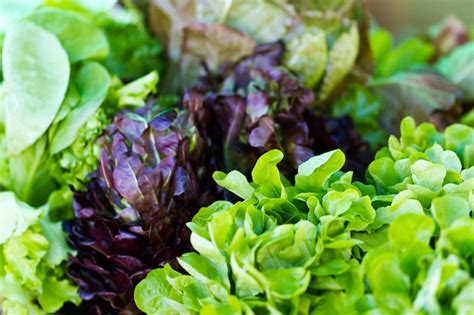
- Unparalleled Flavor and Freshness: Produce picked at its peak, often just hours before sale, tastes remarkably different from items shipped across continents. You’ll experience the true essence of fruits, vegetables, and artisanal goods.
- Nutritional Benefits: Fresher food retains more vitamins and minerals. Plus, you’re often choosing whole, unprocessed ingredients over convenience foods.
- Cultural Immersion: Markets are vibrant hubs of local life. They offer a window into regional traditions, specialties, and the rhythm of the community. Engaging with farmers and vendors provides unique stories and insights.
- Supporting Local Economies: Your purchases directly benefit the farmers, artisans, and small businesses in the area, contributing to the sustainability of local food systems and communities.
- Environmental Impact: Buying local typically means less transportation, reducing your food’s carbon footprint.

Top Strategies for Finding Local Farms and Markets
With a little planning and curiosity, finding local food sources is easier than you might think.
Leverage Digital Tools and Apps
Technology is your best friend in the quest for local eats:
- LocalHarvest.org: A fantastic resource for finding farmers’ markets, family farms, CSAs, and food co-ops across the U.S.
- Farmers Market Coalition (FMC): Their website often has directories or links to state-specific market listings.
- Google Maps & Yelp: A simple search for “farmers market near me” or “local farms” can yield surprising results. Check reviews for operating hours and what’s available.
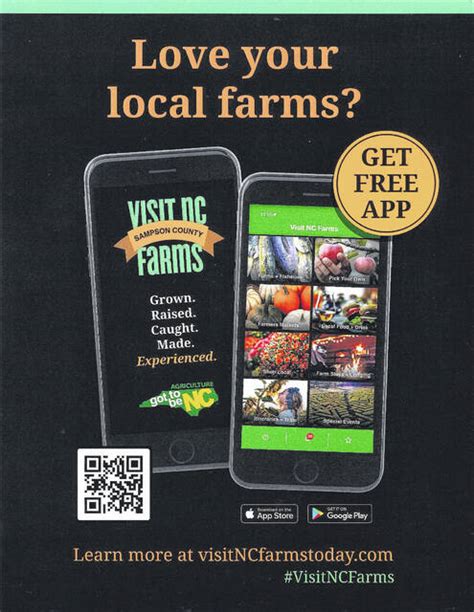
- Apps: Look for apps like Farmstand or Harvest, which often list local food sources.
Consult Local Tourism Resources
Don’t underestimate the power of local expertise:
- Visitor Centers: Always a first stop! Staff are usually knowledgeable about local attractions, including markets and unique food experiences.
- Hotel Staff & Locals: Don’t hesitate to ask hotel front desk staff, baristas, or even friendly locals you encounter. They often have insider tips on the best hidden gems.
- Local Blogs & Websites: Before you arrive, do a quick online search for “[destination name] farmers market” or “[destination name] local food guide.” Many travel blogs or local news sites publish lists.
Tap into Social Media and Online Communities
The digital world can connect you to hyper-local information:
- Facebook Groups: Search for local food groups or community pages for your destination.
- Instagram Hashtags: Explore hashtags like # [city]farmersmarket, #eatlocal [city], or #[state]agritourism to find real-time posts and recommendations.
Look for Roadside Stands and Agritourism Signs
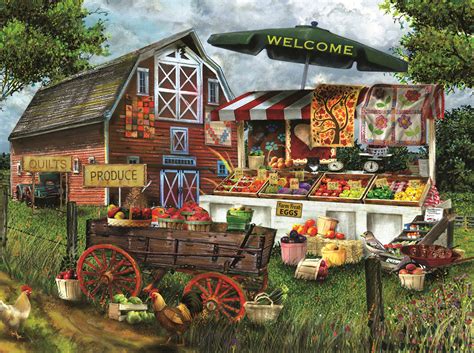
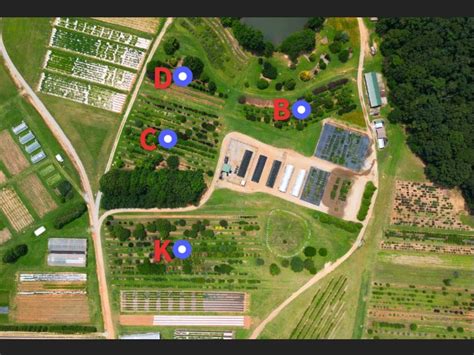
Sometimes the best finds are the most spontaneous. Keep your eyes peeled as you drive through rural areas. Many small farms have honest-box stands or signs directing visitors to their farm store. These can be some of the most authentic and delightful discoveries.
Tips for Shopping and Enjoying Your Finds
To make the most of your market visit and enjoy your local bounty:
- Go Early: The best selection often goes quickly, especially for popular items or specialty goods.
- Bring Reusable Bags and a Cooler: Essential for carrying your bounty and keeping perishables fresh, especially if you have a long day of travel ahead.
- Ask Questions: Engage with the farmers! Ask about their growing practices, recommended uses for produce, or local recipes. It’s a wonderful way to learn and connect.
- Be Adventurous: Try a fruit or vegetable you’ve never seen before. Ask the farmer how to prepare it; you might discover a new favorite.
- Plan Your Meals: Think about how you’ll use your purchases. Can you make simple sandwiches, a picnic lunch, or a quick skillet meal if you have access to a kitchen?

Making it Work: Storage and Preparation on the Go
Eating fresh on the road doesn’t require a full kitchen; just a little ingenuity:
- The Power of a Cooler: A good cooler with ice packs is your best friend for keeping produce, cheeses, and meats fresh for a day or two.
- Simple Setup: Consider bringing a small cutting board, a sharp knife, and basic utensils if you plan on preparing simple meals. Many rental cars or travel setups can accommodate these.
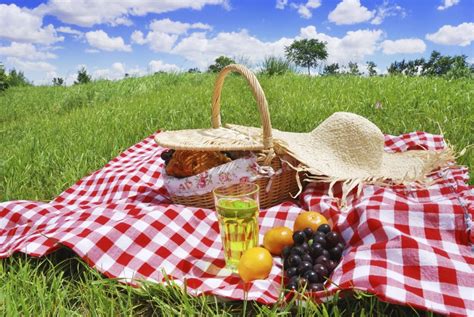
- No-Cook Meals: Fresh bread, cheese, cured meats, fruits, and vegetables from a market make for an incredible, easy-to-assemble picnic or car-side lunch.
- Minimalist Cooking: If staying in accommodations with a kitchenette, focus on one-pan or one-pot recipes that highlight your fresh ingredients, such as a quick scramble or a simple pasta with seasonal vegetables.
Conclusion
Embracing local food while traveling transforms an ordinary trip into an extraordinary culinary adventure. It’s an act of discovery, a commitment to health, and a way to meaningfully engage with the places you explore. So, next time you hit the road, make finding a local farm or market a priority. Your taste buds, your body, and the communities you visit will thank you for it.