




How to build rich, organic garden soil naturally for better yields?

The secret to a thriving garden isn’t just about what you plant, but where you plant it. Rich, organic soil is the foundation for healthy, productive plants, leading to better yields and more vibrant produce. Building this living ecosystem takes time and consistent effort, but the natural methods described below will transform your garden beds into fertile ground.
Understand Your Soil’s Foundation
Before you begin amending, it’s beneficial to understand your current soil. Is it sandy, clay, or loamy? A simple soil test can reveal its pH and existing nutrient levels, guiding your initial natural amendments. Regardless of your starting point, the goal is always to increase organic matter, which improves soil structure, water retention, drainage, and nutrient availability.
The Power of Composting
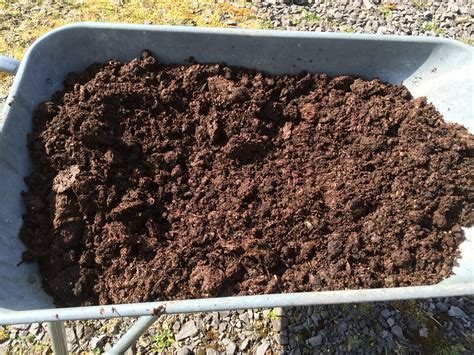
Compost is often called ‘black gold’ for good reason. It’s decomposed organic matter that teems with beneficial microorganisms and essential plant nutrients. Regularly incorporating compost into your garden beds dramatically enhances soil fertility and structure over time.
Starting a compost pile is easy. Collect kitchen scraps (fruits, vegetables, coffee grounds), yard waste (leaves, grass clippings, small twigs), and paper products (non-glossy newspaper, cardboard). Aim for a balance of ‘greens’ (nitrogen-rich) and ‘browns’ (carbon-rich). Turn your pile regularly to aerate it and speed up decomposition.

Embrace Cover Cropping
Cover crops are plants grown specifically to protect and enrich the soil, not for harvest. They are sown in beds that would otherwise be left bare, typically over winter or during periods between main crops. Common cover crops include clover, vetch, rye, and buckwheat.
When tilled into the soil (or simply chopped and left on top) before planting your main crops, cover crops add significant organic matter. Leguminous cover crops like clover and vetch also fix nitrogen from the atmosphere, enriching the soil with this vital nutrient naturally, reducing the need for synthetic fertilizers.
Mulch for Soil Health and Protection
Mulching is one of the easiest and most effective ways to build healthy soil. A layer of organic mulch (such as straw, wood chips, shredded leaves, or grass clippings) spread over your garden beds offers multiple benefits:
- Moisture Retention: Mulch reduces evaporation, keeping soil moist and reducing watering needs.
- Weed Suppression: It blocks sunlight, preventing weed seeds from germinating.
- Temperature Regulation: Mulch insulates the soil, keeping it cooler in summer and warmer in winter.
- Organic Matter Addition: As organic mulch slowly decomposes, it feeds the soil, adding nutrients and improving structure.
Practice No-Till or Minimum-Till Gardening
Traditional tilling can disrupt the delicate soil structure and destroy the complex networks of fungi and microorganisms that are crucial for soil health. By adopting a no-till or minimum-till approach, you allow these beneficial soil inhabitants to thrive, naturally improving soil aeration, water infiltration, and nutrient cycling.
Instead of digging, simply add layers of organic matter (compost, mulch) to the surface. Over time, worms and other soil organisms will do the work of incorporating it into the soil, creating a rich, living environment.
Incorporate Natural Soil Amendments
Beyond compost, various natural amendments can boost your soil’s fertility:
- Aged Manure: From cows, chickens, horses, or other herbivores, aged manure is rich in nutrients and organic matter. Ensure it is well-composted to avoid burning plants with excessive nitrogen or introducing pathogens.
- Worm Castings: The excrement of earthworms, worm castings are a highly concentrated natural fertilizer, packed with beneficial microbes and trace minerals.
- Biochar: A charcoal-like substance made from biomass, biochar can significantly improve soil structure and water retention, and enhance nutrient availability over the long term.
- Kelp Meal and Alfalfa Meal: These provide a broad spectrum of trace minerals and slow-release nitrogen, promoting robust plant growth.

Support Soil Microbes
Healthy soil is alive! Billions of bacteria, fungi, protozoa, and other microorganisms form the soil food web. These tiny workers break down organic matter, cycle nutrients, and protect plants from diseases. Every natural method discussed—composting, cover cropping, mulching, and no-till—is designed to create an environment where these beneficial microbes can flourish.
Consistency is Key for Lasting Results
Building rich, organic soil is an ongoing process, not a one-time task. By consistently applying these natural methods—regularly adding compost, keeping beds mulched, rotating cover crops, and minimizing soil disturbance—you will cultivate a thriving soil ecosystem. This living soil will, in turn, reward you with healthier plants, greater resilience against pests and diseases, and consistently superior yields year after year.