

What BTS photography tips improve “real food” recipe content for authenticity?

The Quest for Authenticity in Food Photography
In the vast culinary landscape of online recipe content, authenticity is the secret ingredient that truly resonates with audiences. Modern viewers crave genuine, approachable food that looks achievable and delicious, not overly styled or artificial. Behind-the-scenes (BTS) photography techniques play a crucial role in capturing this coveted realism, transforming your recipe content from mere pictures into compelling, trustworthy culinary stories. Let’s delve into actionable tips to make your ‘real food’ genuinely shine.
Harness the Power of Natural Light
Nothing screams ‘real’ more than beautifully lit food captured under natural light. Artificial studio setups can often make food look too perfect or sterile. Position your food near a large window or in a well-lit area, utilizing a sheer curtain or diffusion panel to soften harsh sunlight. Soft, diffused light highlights textures and natural colors without creating distracting hot spots or deep shadows. It gives your dishes an inviting, homemade glow that feels immediate and accessible to your audience.
Embrace Imperfections and Textures
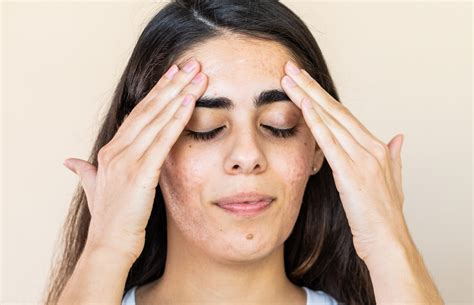
The quest for perfection can often strip food of its authentic charm. Instead, celebrate the slight imperfections that make homemade food so appealing. A crumbly edge on a cookie, a slightly uneven topping, or the natural sheen of a sauce can add character and realism. Focus on capturing the rich textures – the crispiness of roasted vegetables, the fluffiness of bread, or the gooeyness of melted cheese. Use close-up shots to highlight these tactile elements, making the viewer almost able to feel and taste the food through the screen.
Mindful Styling with Minimalist Props
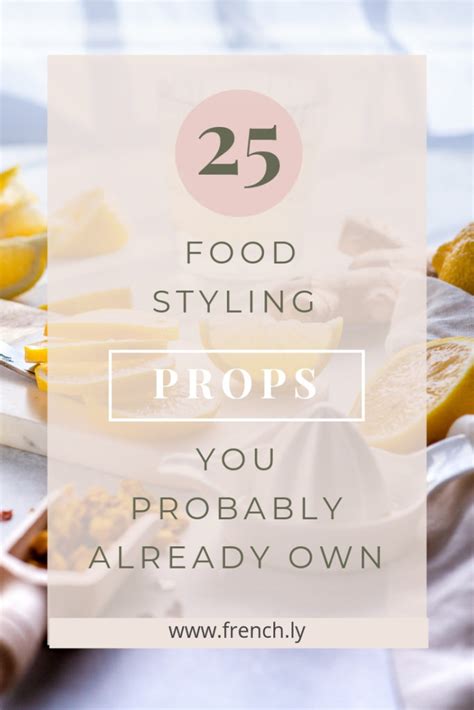
Authentic food photography isn’t about elaborate styling; it’s about making the food the undeniable star. Choose props that complement, rather than compete with, your dish. Think rustic cutting boards, simple ceramic bowls, linen napkins, or vintage cutlery. Use ingredients from the recipe as props – a scattering of fresh herbs, a half-used lemon, or a few whole spices. Keep the background uncluttered and muted to ensure the focus remains squarely on the ‘real food’ you’re presenting.
Capture the Process, Not Just the Plating
Authenticity extends beyond the final plated dish. Showcasing snippets of the cooking process can significantly enhance trust and engagement. Think about incorporating shots of hands mixing ingredients, dough rising, vegetables being chopped, or a bubbling pot on the stove. These BTS glimpses make the recipe feel more tangible and less intimidating for your audience. They tell a complete story, from raw ingredients to the delicious outcome, reinforcing the homemade aspect of your content.

Strategic Angles and Composition for Realism
Varying your angles can add dynamic interest and a sense of natural documentation. An overhead shot (flat lay) works wonderfully for showing ingredient arrays or a full table spread, emphasizing pattern and simplicity. A 45-degree angle is often ideal for plated dishes, mimicking how we naturally view our food. For dishes with height or layers, a straight-on shot can highlight their structure. Experiment with leading lines, the rule of thirds, and negative space to create compositions that feel organic and inviting, rather than rigidly posed.
Subtle Editing: Enhance, Don’t Transform
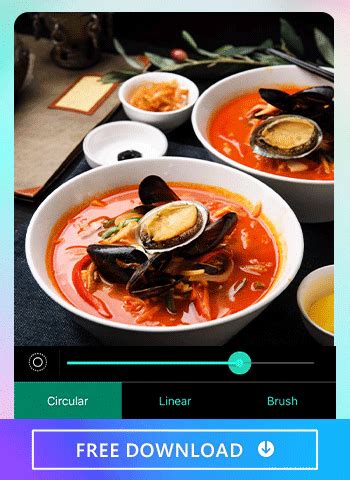
Post-processing should be approached with a ‘less is more’ mindset for authentic food photography. The goal is to enhance the natural beauty of your food, not to create an artificial reality. Focus on minor adjustments like white balance correction to ensure true colors, slight exposure tweaks, and a touch of contrast or clarity to make textures pop. Avoid oversaturating colors, heavy filters, or extreme blurring. The aim is for the viewer to believe what they see is exactly what they’d get in their own kitchen.
Conclusion: Storytelling Through Genuine Visuals
Improving the authenticity of your ‘real food’ recipe content through BTS photography is ultimately about effective storytelling. By prioritizing natural light, celebrating imperfections, simplifying styling, showing the process, employing thoughtful composition, and practicing subtle editing, you create visuals that are not just appealing but also trustworthy and inspiring. These techniques elevate your content, fostering a deeper connection with your audience and making your recipes truly irresistible.