




Best organic pest control for tomato plants?

Cultivating a Healthy, Pest-Free Tomato Patch Organically
Tomato plants are a prized addition to many home gardens, offering delicious, fresh produce. However, they are also susceptible to a range of pests that can quickly decimate a promising crop. For gardeners committed to healthy, chemical-free food, organic pest control methods are essential. These strategies not only protect your plants but also maintain the ecological balance of your garden, fostering a vibrant ecosystem.

Understanding Common Tomato Pests
Before implementing any control methods, it’s crucial to identify the culprits. Different pests require different approaches. Here are some of the most common pests that plague tomato plants:
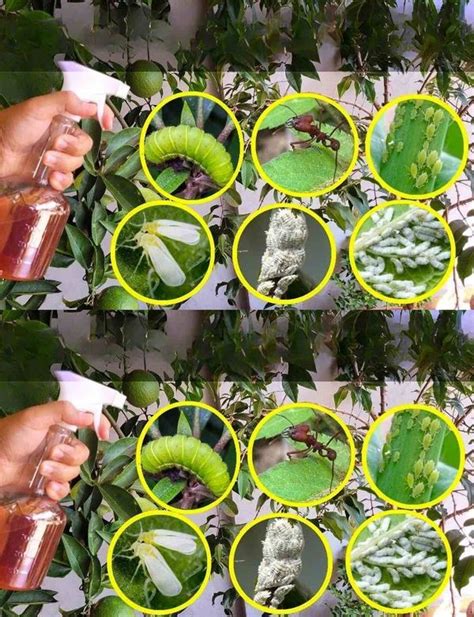
- Aphids: Small, soft-bodied insects that cluster on new growth, sucking sap and stunting plant development.
- Tomato Hornworms: Large, green caterpillars with a distinctive ‘horn’ on their rear, known for rapidly defoliating plants.
- Whiteflies: Tiny, white, moth-like insects that gather on the undersides of leaves, flying up in clouds when disturbed.
- Spider Mites: Microscopic pests that cause stippling on leaves and fine webbing, particularly in hot, dry conditions.
- Cutworms: Larvae that sever young tomato seedlings at the soil line, often at night.
Effective Organic Pest Control Strategies
A multi-pronged approach combining various organic methods provides the best defense against pests.
1. Cultural Practices & Garden Hygiene
Prevention is always the first line of defense. Healthy plants are more resilient to pest attacks.
- Healthy Soil: Enrich your soil with compost and organic matter to promote strong plant growth.
- Proper Watering: Water deeply and consistently at the base of the plant to avoid stressing the roots and prevent fungal issues encouraged by wet foliage.
- Adequate Spacing: Ensure good air circulation between plants to deter pests and diseases.
- Crop Rotation: Avoid planting tomatoes in the same spot year after year to break pest life cycles.
- Mulching: Apply a layer of organic mulch around your plants to suppress weeds, retain moisture, and create a less hospitable environment for some soil-dwelling pests.

2. Companion Planting
Certain plants can naturally deter pests or attract beneficial insects that prey on pests.
- Marigolds: Known to repel nematodes and whiteflies.
- Basil: Can deter flies and hornworms.
- Borage: Attracts beneficial pollinators and deters tomato hornworms.
- Nasturtiums: Act as a trap crop, drawing aphids away from your tomatoes.
3. Physical Barriers & Manual Removal
Sometimes the simplest methods are the most effective.
- Hand-picking: Regularly inspect your plants and manually remove larger pests like hornworms. Drop them into a bucket of soapy water.
- Row Covers: For young plants, use lightweight floating row covers to protect against flying insects and birds.
- Strong Water Spray: A strong jet of water can dislodge aphids and spider mites from leaves, especially the undersides.

4. Biological Control with Beneficial Insects
Encourage natural predators to do the work for you. Many garden centers sell beneficial insects, or you can create a habitat that attracts them.
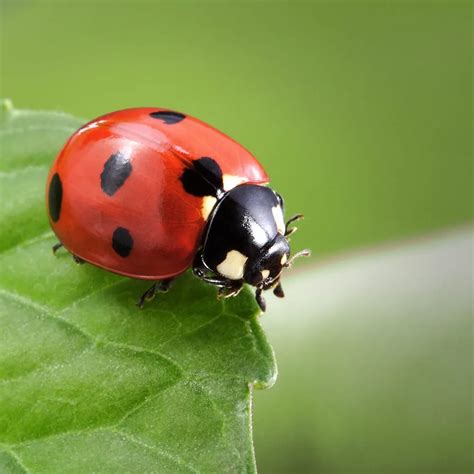
- Ladybugs: Voracious eaters of aphids and other soft-bodied insects.
- Green Lacewings: Their larvae feed on aphids, whiteflies, and spider mites.
- Parasitic Wasps: Tiny wasps that lay their eggs inside hornworms and other caterpillars.
5. Organic Sprays & Dusts
When infestations become more severe, organic sprays and dusts can provide targeted control without harming your plants or the environment.
- Neem Oil: A broad-spectrum organic insecticide derived from the neem tree. It acts as an antifeedant, repellent, and growth disruptor for many pests including aphids, whiteflies, spider mites, and hornworms. Always follow label directions.
- Insecticidal Soap: Effective against soft-bodied insects by suffocating them. Mix with water and spray directly on pests.
- Garlic or Pepper Sprays: Homemade repellents made from crushed garlic or chili peppers can deter a range of pests.
- Diatomaceous Earth (DE): A natural powder made from fossilized algae. When sprinkled on plants and soil, it dehydrates and kills crawling insects like cutworms and slugs. Use food-grade DE.
Ongoing Monitoring and Early Detection
Regularly inspecting your tomato plants is crucial for early detection of pest problems. Check the undersides of leaves, new growth, and stems daily. The sooner you identify a pest issue, the easier it is to control organically before it becomes a major infestation.
Conclusion
Achieving pest-free tomato plants through organic methods is not only possible but also deeply rewarding. By combining good cultural practices, smart planting choices, natural predators, and selective organic treatments, you can ensure a bountiful harvest of healthy, delicious tomatoes that are safe for your family and the environment. Patience and consistency are key to successfully nurturing your organic tomato patch.