


What are the best DIY raised bed plans for small-space veggie gardens?

Transforming a modest backyard, balcony, or patio into a productive vegetable garden is entirely achievable with the right DIY raised bed plans. Raised beds offer numerous advantages for small spaces, from superior drainage and soil control to easier access and a neat, organized aesthetic. If you’re looking to maximize your harvest in a limited area, selecting the best design for your specific needs and DIY skill level is crucial.
Why Raised Beds Are Ideal for Small Gardens
For gardeners with limited real estate, raised beds are a game-changer. They elevate your growing space, preventing soil compaction and allowing you to create the perfect soil mix tailored to your plants. This means healthier roots, better nutrient absorption, and ultimately, a more bountiful yield. Furthermore, raised beds help define garden areas, keep pests somewhat at bay, and offer ergonomic benefits, reducing bending and kneeling.

Top DIY Raised Bed Plans for Compact Spaces
The Classic Wood Frame Raised Bed
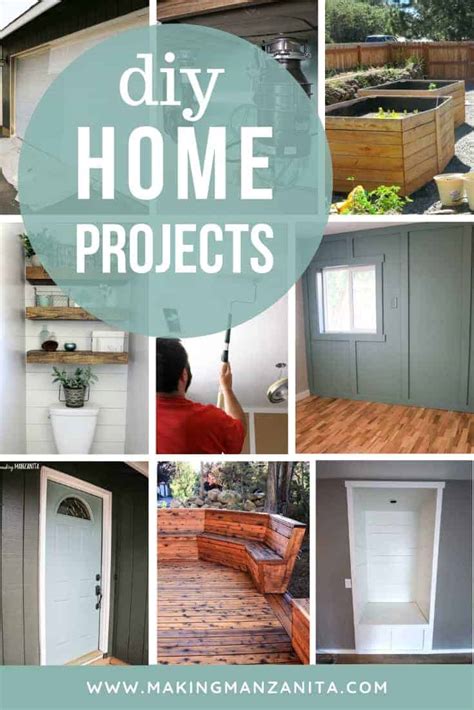
One of the most popular and straightforward DIY options, a wooden raised bed can be constructed from rot-resistant lumber like cedar, redwood, or even treated pine (ensure it’s food-safe if using for edibles). Designs range from simple four-sided boxes to more intricate multi-tiered structures. They are highly customizable in size and depth, making them adaptable to almost any small space. Basic plans involve cutting boards to length, drilling pilot holes, and screwing them together at the corners.
Cinder Block Raised Beds
For a durable, long-lasting, and relatively inexpensive option, cinder blocks are an excellent choice. They require no cutting or drilling, only stacking. The hollow cores of the blocks can even be filled with soil and used to plant herbs or smaller edibles, adding an extra layer of growing space. Cinder block beds can be configured in various shapes and heights, providing a robust solution for a small veggie patch.

Galvanized Stock Tank Gardens
If you’re seeking a quick, no-build solution with a modern farmhouse aesthetic, galvanized stock tanks are perfect. Available in various sizes, these metal troughs provide ample depth for most vegetables and are exceptionally durable. Simply drill drainage holes in the bottom, add your soil, and start planting. Their portability also makes them ideal for renters or those who might rearrange their space.
Vertical Raised Beds and Tiered Planters
When horizontal space is truly at a premium, thinking vertically is key. DIY vertical raised beds or tiered planters allow you to grow multiple crops in a minimal footprint. Designs can involve stacking planter boxes, creating a stepped pyramid, or even using repurposed items like old pallets or rain gutters mounted on a frame. These are excellent for strawberries, herbs, lettuce, and other shallow-rooted plants.
Repurposed Pallet Beds
For the eco-conscious and budget-savvy gardener, repurposing wooden pallets into raised beds is a fantastic project. With some deconstruction and reconstruction, pallets can be transformed into robust growing containers. Always ensure you source heat-treated (HT stamped) pallets, not chemically treated (MB stamped), for food safety. This option is particularly good for creating unique, rustic-looking beds.
Essential Considerations for Your Small-Space Raised Bed
- Sunlight: Most vegetables require at least 6-8 hours of direct sunlight daily. Observe your chosen spot throughout the day.
- Soil Quality: Invest in a good quality raised bed soil mix. This is where your plants will get all their nutrients.
- Drainage: Ensure your raised bed has adequate drainage holes or is built on a permeable surface to prevent waterlogging.
- Watering: Small raised beds, especially in containers, can dry out quickly. Plan for regular watering or consider a drip irrigation system.
- Accessibility: Design your bed so you can easily reach all parts of it for planting, weeding, and harvesting.

Start Your Small-Space Veggie Garden Today
With these diverse DIY raised bed plans, transforming your compact outdoor area into a productive vegetable garden has never been easier. Whether you opt for the classic appeal of wood, the durability of cinder blocks, the modern touch of stock tanks, or the ingenuity of vertical designs, a thriving harvest awaits. Choose the plan that best fits your space, budget, and DIY ambition, and get ready to enjoy fresh, home-grown produce right outside your door.